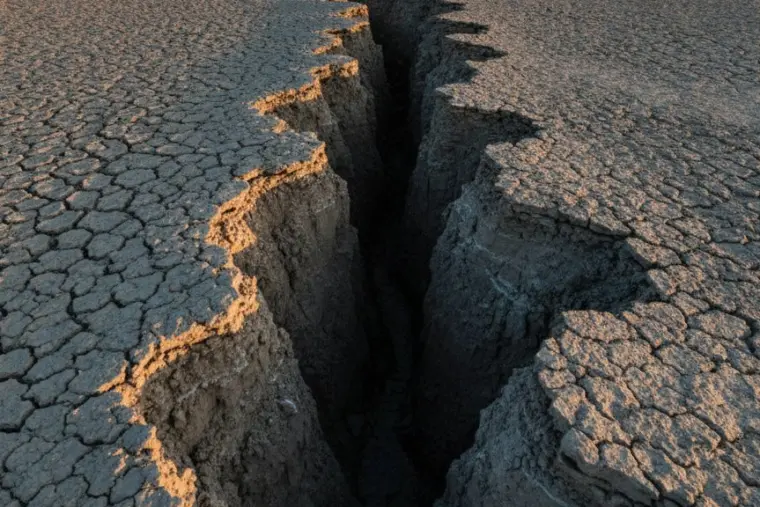
Science EXPLAINER
What Causes Earthquakes, and Why Some Are Worse
Most earthquakes come down to stress building up along faults in the Earth's crust and releasing all at once. The where, the…
Science Editor · PQR News
science, climate and environment, space, physics, and biology
Thomas Bergström is the Science Editor at PQR News, overseeing coverage of climate and the environment, space, physics and chemistry, biology, and the research that drives them. His desk exists to make science understandable — to explain why sea levels are rising, how a scientific method arrives at its conclusions, what a discovery actually means, and where a field's real boundaries of knowledge lie.
Bergström's editorial instinct is to foreground the reasoning, not just the result. Science reporting, he argues, too often delivers conclusions stripped of the process that produced them, leaving readers to take findings on faith. He pushes his writers to show how evidence accumulates, how a hypothesis is tested, and why scientists hold the views they do, so that readers come away understanding not only what is known but how anyone came to know it.
He is careful about the difference between established science and the frontier. His desk distinguishes firmly between findings that are well settled and questions that remain genuinely open, and he resists the temptation to present a single new study as a final word. Figures on his pages must be genuinely accurate rather than invented, claims must be verifiable, and uncertainty must be described honestly rather than papered over. Getting the science right, he tells his writers, matters more than making it sound tidier than it is.
On contested scientific subjects, and on climate in particular, Bergström asks for coverage that reflects the real weight of evidence fairly — neither manufacturing false balance where the science is clear nor overstating certainty where it is not. He wants readers to understand what the research actually supports, and to be able to tell mainstream understanding apart from open debate. Every article closes with real, checkable sources so readers can go to the underlying work themselves.
His preference runs strongly toward the evergreen: durable explainers on how natural systems and scientific ideas work, the kind of reference that stays useful as specific studies come and go. He is drawn to the enduring questions a curious reader keeps returning to rather than to the churn of press releases. His guidance to writers is consistent and grounded: answer one clear question, explain the reasoning behind the finding, define terms plainly, cite real sources, and let the evidence set the limits of the claim.
3 articles · editorial@pqrnews.com
Most earthquakes come down to stress building up along faults in the Earth's crust and releasing all at once. The where, the…
CRISPR lets scientists cut DNA at a chosen spot with unusual precision. The tool was borrowed from a defence system bacteria have…
Warmer oceans and melting ice are lifting the sea, but the two causes work in very different ways. Here is the physics…