

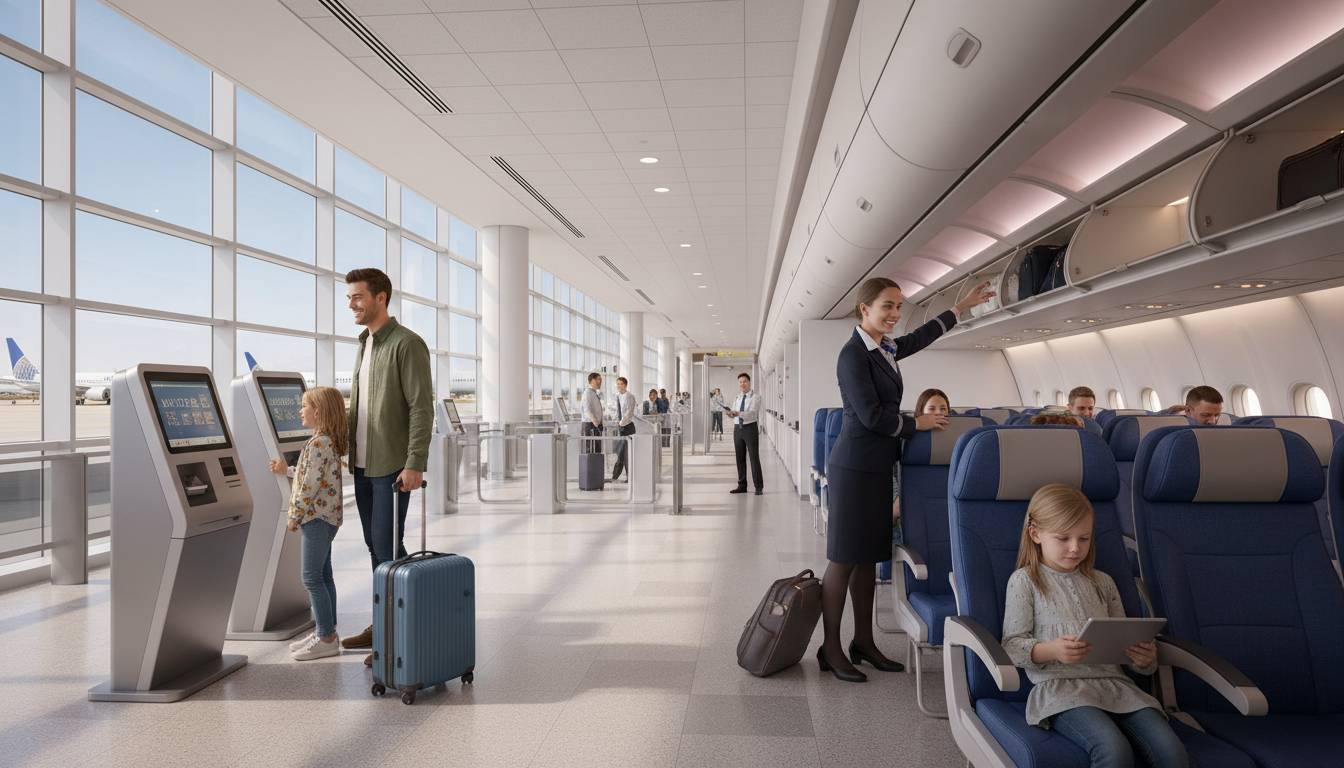
United Airlines changed its policies on overbooked flights. Here’s what that means for you—and how to protect yourself when things go wrong.
How Overbooking Actually Works
Airlines sell more tickets than they have seats. It sounds crazy, but there’s a reason: people no-show. Missed connections, last-minute cancellations, plain old forgetting— airlines bank on it. This lets them keep flights full and ticket prices lower for everyone.
United uses algorithms to guess how many people won’t show up. Sometimes they guess wrong. When everyone actually boards, someone has to give up their seat.
This happens more often than you’d think. Major U.S. carriers bumped about 68,000 passengers in a recent year. That’s a lot of angry travelers.
Why You Might Get Removed
Overbooking isn’t the only reason. Sometimes it’s about the crew. Airlines need employees at other airports to keep operations running. Federal law requires airlines to seat these workers—and sometimes that means bumping paying passengers.
Equipment changes hurt too. A maintenance issue might swap a 150-seat plane for a 120-seater. Now 30 people need new flights.
Then there’s the obvious: behavior problems. Being drunk, rude to staff, or refusing to follow instructions will get you off a plane real fast. That’s not an overbooking issue—that’s a you problem.
What You’re Owed
The U.S. Department of Transportation has rules here. They’re not optional.
Voluntary bumping: If the airline asks for volunteers first, there’s no minimum payout. It’s negotiation time. Don’t take the first offer unless you need to. Ask what else they’re throwing in—meal vouchers, hotel,Priority boarding on the next flight.
Involuntary bumping: If they pick you without asking, federal law kicks in. Here’s the breakdown:
- New flight arrives within 1 hour of original: No compensation
- 1-2 hour delay (domestic) or 1-4 hour delay (international): 200% of your one-way fare, max $775
- More than 2 hours late (domestic) or 4 hours (international): 400% of your fare, max $1,550
You can also just say no to compensation and demand a full refund.
Keep everything. Receipts, emails, the names of everyone you talk to. If they stiff you, you’ll need proof.
How to Avoid Getting Bumped
Want to lower your odds? Here’s what actually works:
Check in early. The earlier you check in, the harder it is for them to bump you. Airlines process people in order.
Pick your seat. Assigned seats beat waiting in the boarding queue every time.
Fly Tuesdays and Wednesdays. Weekdays are emptier. Early morning flights have fewer business travelers—and fewer people desperate to get home.
Get elite status. United prioritizes its frequent flyers. If you fly enough to earn status, you’re safer.
Consider travel insurance. Some cards and policies cover trip interruptions. It’s a backup plan.
The Bigger Context
United got torched in the media after a 2017 incident where they dragged a passenger off a plane. They changed some policies since then—more training for staff, adjustments to how they handle crew seating. But the underlying math of overbooking hasn’t changed.
Advocates want stronger rules. Some lawmakers propose banning overbooking entirely or raising compensation. For now, the current regulations are what you’re working with.
If you get wronged, file a complaint with the DOT. It takes five minutes online. These complaints add up and push for better enforcement.
Quick Answers
What do I do if they ask for my seat?
Ask for everything in writing first—what they’re offering, what your alternatives are, what you’ll get while you wait. Don’t panic. Don’t sign anything without reading it.
Can I get bumped even with a boarding pass?
Yes. A confirmed ticket doesn’t guarantee you’ll actually fly.
What expenses do they cover?
Meal vouchers for long waits. Hotel if it’s overnight. Keep receipts for anything else you think should be reimbursed.
Does elite status protect me?
Mostly, but not always. Airlines protect their best customers first—but operational needs sometimes override status.
Take the voucher or cash?
Cash is immediate and has no restrictions. Vouchers often expire or have blackout dates. Only take a voucher if you actually fly United regularly.
How do I complain?
Go to the DOT’s Air Consumer Complaint website. Be specific. Include documentation. Expect it to take a few weeks to hear back.
Bottom Line
Overbooking isn’t going away. But you have rights, and airlines have to follow through. Show up early, pick your seat, know what you’re owed, and don’t be afraid to push back. The rules exist to protect you—use them.













Leave a comment