

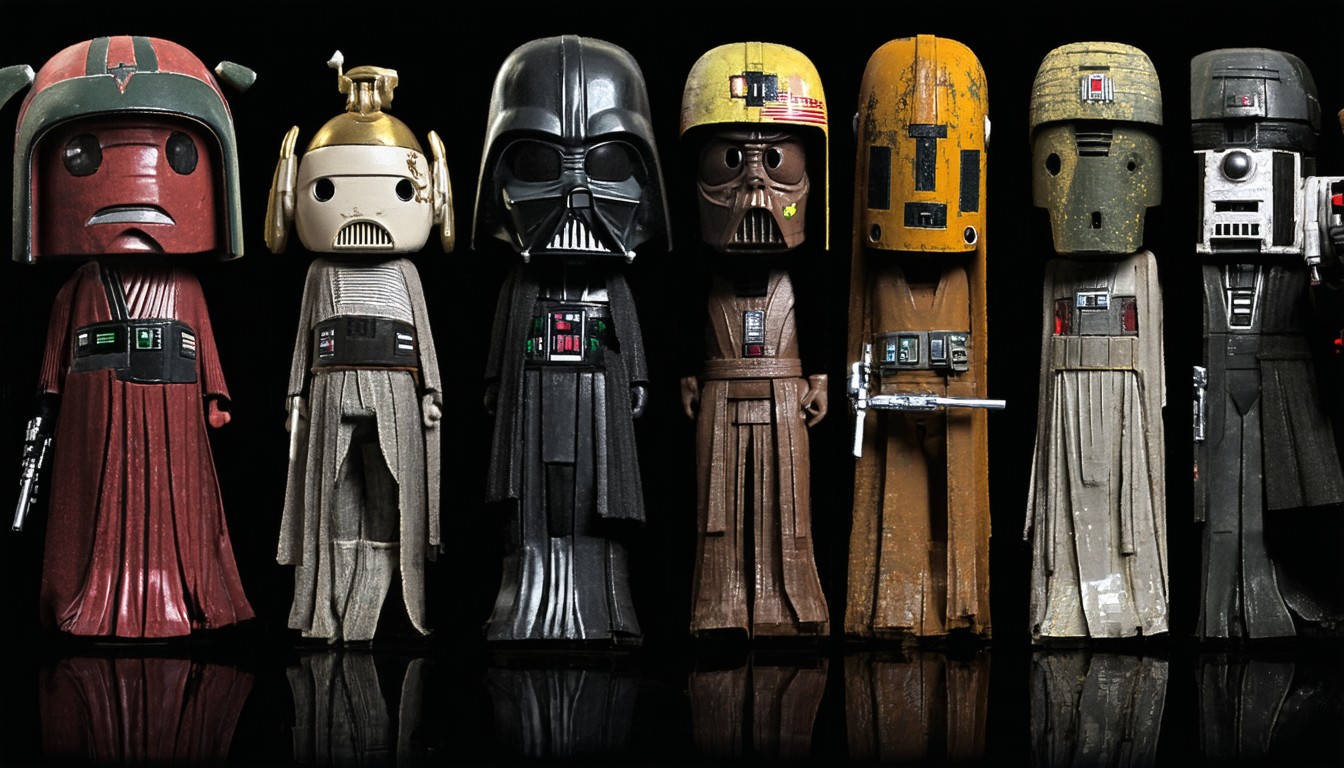
Since its debut in 1977, Star Wars has redefined modern mythmaking, creating a sprawling universe populated by heroes, villains, rogues, and loyal droids. These characters do more than merely advance the plot—they have become cultural icons, each carrying archetypal weight and personal resonance for fans around the globe. The rich tapestry of personalities, from the stoic wisdom of Jedi Knights to the menacing allure of Sith Lords, is a key driver of the franchise’s continued relevance and appeal.
Beyond screen time and plot points, the most iconic Star Wars characters serve as mirrors of our hopes, fears, and ambitions—transcending generations and sparking debate, devotion, and even academic study.
Heroic Archetypes: Defining the Jedi and Rebels
Luke Skywalker: The Reluctant Hero
Few protagonists embody the hero’s journey as clearly as Luke Skywalker. His evolution from isolated farm boy to legendary Jedi Knight is a blueprint for modern storytelling, influencing countless franchises. Luke’s narrative arc, characterized by growth through adversity and self-discovery, fosters a universal appeal.
Princess Leia Organa: Icon of Leadership and Rebellion
Leia Organa undermines the traditional damsel-in-distress trope, emerging as both a diplomatic leader and a fierce fighter. Carrie Fisher’s portrayal injected the character with wit and tenacity, inspiring generations and becoming a focal point for discussions on women in science fiction.
Han Solo: The Anti-Hero Turned Loyal Friend
Smuggler, scoundrel, and reluctant participant, Han Solo’s journey captures the allure of antiheroes. His chemistry with Leia and evolving camaraderie with Luke add depth to the ensemble, while his wit and swagger anchor him as a fan favorite.
Other Notable Heroes
- Obi-Wan Kenobi: Embodiment of Jedi wisdom and sacrifice.
- Yoda: Stoic mentor, renowned for his enigmatic speech and profound insights.
- Rey: The face of a new trilogy, balancing legacy with personal identity.
Shadow and Complexity: The Villains of Star Wars
Darth Vader: The Face of Villainy
Darth Vader’s transformation—from Anakin Skywalker, a promising Jedi, to the Empire’s formidable enforcer—is a masterclass in tragedy and redemption. The character’s iconic design, haunting voice, and deeply conflicted psyche make Vader a staple in discussions of cinematic antagonists. According to numerous fan polls and cultural commentators, Vader frequently ranks among the greatest villains in movie history.
“Darth Vader’s enduring power lies in his complexity; he’s as much a cautionary tale about fear and attachment as he is a menacing figure.”
— Dr. Jana Cleveland, Pop Culture Historian
Emperor Palpatine: Manipulation Incarnate
Strategist and schemer, Emperor Palpatine exemplifies long-game villainy. His rise to power, manipulation of Anakin, and orchestration of galactic events demonstrate how Star Wars villains often operate on multiple levels.
Kylo Ren: Conflict and Identity
The new trilogy introduces Ben Solo, wrestling with legacy and personal turmoil. Kylo Ren’s emotional volatility and visual symbolism bridge classic and contemporary storytelling approaches.
Other Villainous Notables
- Count Dooku: The fallen Jedi turned separatist leader.
- Darth Maul: Known for his menacing appearance and acrobatic lightsaber duels.
- Grand Moff Tarkin: Calculated, cold, and loyal to the Empire’s cause.
Droids, Aliens, and Outer Rim Icons
While human (or humanoid) characters drive much of Star Wars’ narrative heart, non-human figures often provide comic relief, emotional resonance, and cultural texture.
R2-D2 and C-3PO: Enduring Companions
The original droid duo, R2-D2 and C-3PO, serve as the saga’s emotional throughline, witnessing—and often saving—the heroes during their perilous journeys. Their complementary dynamics mirror classic comedic pairings, grounding fantastical events with relatable personality clashes.
Chewbacca: The Loyal Wookiee
Chewbacca, Han Solo’s co-pilot and steadfast friend, offers both muscle and heart. His wordless roars and expressive gestures have made him an instantly recognizable pop culture mainstay.
Memorable Creatures and Outsiders
From Yoda’s Dagobah hut to the cantina’s menagerie of exotic species, Star Wars revels in world-building. Characters like Boba Fett, the galaxy’s enigmatic bounty hunter, and Ahsoka Tano, the breakout star of animated and live-action expansions, demonstrate the franchise’s willingness to explore new perspectives.
Cultural Impact and Evolving Narratives
Shaping the Franchise—and Fandom
Star Wars characters are more than just figures on screen; they have inspired billions in merchandise sales, an expanded universe of novels and comics, and ongoing debates in fan communities. The annual output of action figures, costumes, and fan art—spanning generations—testifies to the resonance of these figures far beyond the films themselves.
In educational settings, scholars analyze characters as case studies in Joseph Campbell’s monomyth, archetypal storytelling, and modern mythology. On platforms like Disney+ and through animated shows such as The Clone Wars and Rebels, new characters like Ahsoka Tano and Ezra Bridger are introduced—further deepening the lore.
Representation, Legacy, and Change
The saga has gradually shifted to reflect broader conversations about diversity and inclusion. The prominence of Rey, Finn, Rose Tico, and other new voices highlights an ongoing evolution in character representation and thematic focus.
“The vibrancy of the Star Wars character roster speaks to the franchise’s willingness to grow alongside its audience. New generations see themselves reflected in these heroes and villains, making the galaxy far, far away feel increasingly close.”
— Alex Zhu, Science Fiction Commentator
Star Power: Lasting Influence and Continued Relevance
Decades after their first appearances, Star Wars characters remain touchstones in the global imagination. From box office numbers to Halloween costumes, their impact is both commercial and deeply personal. The narrative complexity and emotional depth attributed to mainstays like Vader or Leia are echoed in social media discourse, academic conferences, and even therapy rooms, where themes of redemption and family resonate strongly.
Franchise expansions—through streaming series, novels, and cross-media collaborations—ensure that new faces and new layers continue to invigorate the Star Wars universe.
Conclusion
The enduring success of Star Wars rests on more than special effects or epic battles. It is the characters—human, alien, and droid—who transform an intergalactic struggle into an intimate saga of hope, loss, and triumph. As the franchise continues to grow, both classic icons and new additions will shape how future generations see themselves and the timeless battle between light and dark.
FAQs
Who are the most popular Star Wars characters?
Typically, Luke Skywalker, Darth Vader, Princess Leia, Han Solo, and Yoda are cited as the franchise’s most beloved and recognizable figures.
What makes Darth Vader an iconic villain?
Vader’s layered backstory, imposing presence, and journey from hero to antagonist—and eventual redemption—make him one of the most compelling villains in cinema history.
How has the portrayal of female characters evolved in Star Wars?
Early installments centered on Leia’s leadership, but recent stories have elevated characters like Rey, Padmé Amidala, and Ahsoka Tano, reflecting broader trends toward diversity and agency.
Are droids considered main characters in Star Wars?
Absolutely—droids like R2-D2, C-3PO, and BB-8 play critical narrative and emotional roles, often serving as the glue that connects different storylines and generations.
What role do newer characters play in the franchise?
New additions such as Rey, Finn, and Kylo Ren help the series resonate with contemporary audiences, exploring updated themes while honoring classic lore.
How does Star Wars’ character diversity impact its audience?
The inclusion of characters from varied backgrounds and perspectives allows more viewers to connect personally with the saga, keeping the universe fresh and inclusive.
















Leave a comment