

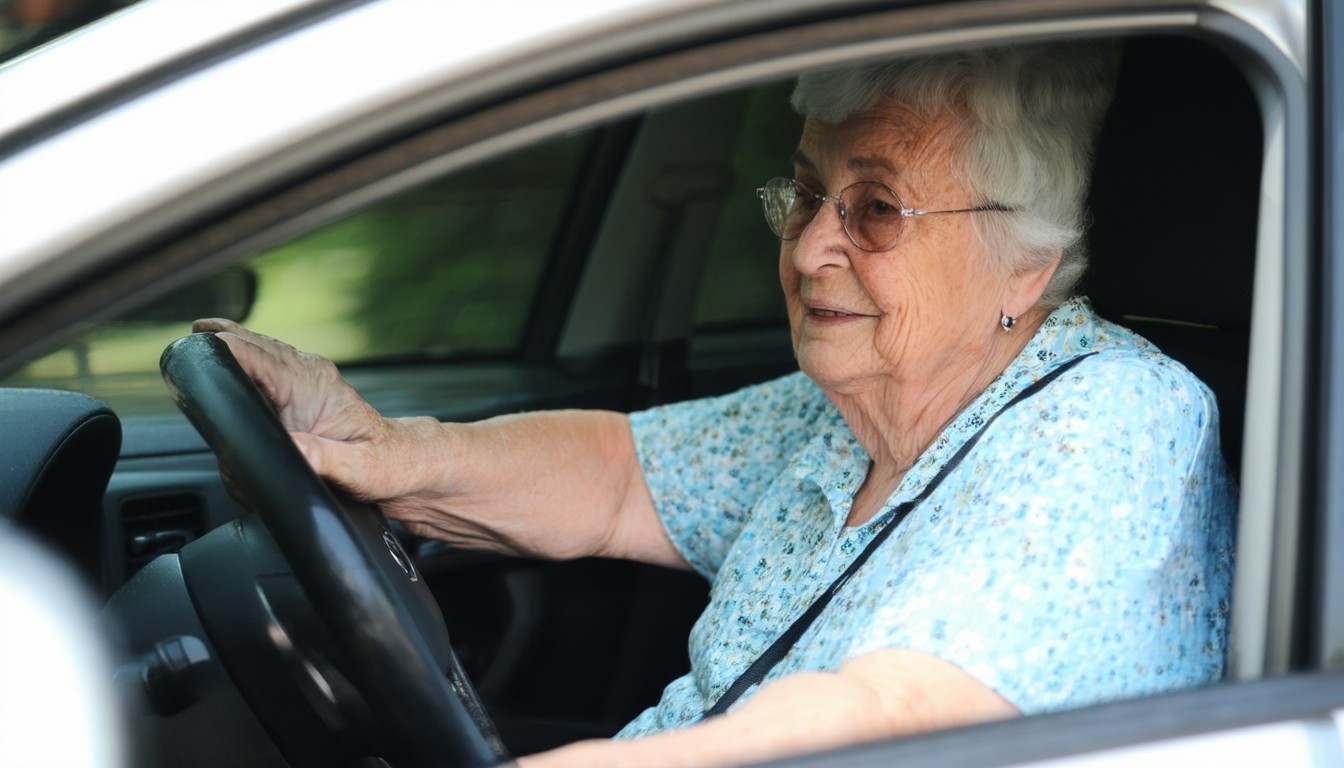
The landscape of road safety and driver eligibility is evolving rapidly, and one of the most significant areas of new regulation concerns drivers over the age of 70. With people living longer and maintaining more active lifestyles, more seniors than ever are staying behind the wheel well into their later years. Policymakers, road safety experts, and healthcare professionals are closely examining how age impacts driving ability, leading to rule changes designed to strike a delicate balance: protecting both older drivers and the broader public, while preserving seniors’ independence.
Across many Western countries, new regulations are being introduced to reflect advances in both car safety technology and our understanding of age-related changes in driving skills. For seniors and their families, staying informed about these evolving requirements has become increasingly important—not only to maintain legal driving status, but also to ensure safe mobility.
Understanding the New Rules for Drivers Over 70
Key Policy Changes Affecting Senior Drivers
The new rules for drivers over 70 vary by region, but certain themes have emerged globally. Many jurisdictions are extending requirements such as:
- More frequent vision and health checks after age 70 or 75
- Mandatory license renewal in person, rather than online or by mail
- Doctor’s certification of fitness to drive, particularly for drivers with medical conditions
- Increased education on medication interactions and cognitive changes
Take the UK, for example. From age 70, drivers must renew their license every three years, confirming they are medically fit to drive. In the US, states like California require in-person renewal with vision tests beginning at age 70, while other states mandate written or road tests. Australia has introduced annual health checks for older drivers in some territories.
These changes are often prompted by statistics showing that while older drivers have fewer accidents per mile than some younger groups, the severity of those accidents tends to be higher. Physical vulnerabilities can turn a minor fender-bender into a significant health risk for seniors.
The Science: How Aging Affects Driving Ability
Research consistently finds that certain aspects of aging—such as slower reaction times, decreased night vision, and reduced flexibility—can affect driving. However, most seniors are safe drivers and self-regulate their habits, often driving shorter distances and avoiding peak traffic hours.
A study by the Insurance Institute for Highway Safety found that the fatal crash rate per mile traveled begins to climb noticeably after age 70, and spikes after age 85. At the same time, technological improvements in vehicles (such as emergency braking, lane-keeping assist, and backup cameras) are offsetting some of these risks.
“The latest data suggest that while age brings new challenges, advances in vehicle safety and targeted regulatory checks can enable many older individuals to drive safely for longer than ever before,” says Dr. Ellen Lee, a geriatrician specializing in senior mobility.
Real-World Examples: How Seniors and Communities Adapt
Communities are piloting creative solutions to address both safety and independence. In Japan, where the population is aging rapidly, voluntary driver’s license surrender programs are incentivized with discounts on public transport and even meals. In parts of the US, nonprofits partner with local governments to offer driver safety refresher courses and alternative transportation services.
For many seniors, periodic health checks are seen not as hurdles, but as supports. Helen, 74, of Austin, TX, describes her annual vision test: “It gives me peace of mind, and honestly, I like knowing I’m still good to go. My family feels better, too.”
Navigating the Renewed Driver’s License Process After 70
Steps and Considerations for Seniors
The exact process varies but often includes these steps:
- Health Self-Assessment: Seniors may have to answer medical questionnaires or provide documentation from a physician.
- Vision Testing: On-site or documented eye exams are standard.
- Cognitive and Reaction Screening: Some states and countries have introduced brief cognitive screenings to catch early signs of dementia.
- In-Person Renewal: To ensure identity and allow for visual checks.
- Conditional or Restricted Licenses: Some authorities offer restricted licenses for daylight driving only, or prohibit highway travel for those who don’t meet all standards.
Identifying Medical Conditions That Affect Driving
Many rules focus not simply on age, but on health. Conditions often flagged include:
- Alzheimer’s disease or other dementias
- Parkinson’s disease
- Diabetes-related neuropathy
- Stroke history
- Severe arthritis
Physicians are increasingly tasked with balancing advocacy for patient independence with the responsibility to report impairing conditions.
“Our role is both to support quality of life for our older patients and to protect public safety. Open communication is key,” explains Dr. Marvin Gold, MD, a family practice physician.
Tips for Maintaining Safe Driving Skills Later in Life
Seniors can take proactive steps:
- Schedule regular eye and hearing exams
- Stay aware of medication side effects
- Consider voluntary driving assessments or refresher courses, often offered by AARP, AAA, and local agencies
- Use vehicle safety features such as collision warnings and backup cameras
- Stay physically active to maintain flexibility and reflexes
The Broader Impact: Independence, Mobility, and Safe Communities
Emotional and Practical Considerations
Losing driving privileges can be deeply emotional for seniors, marking a loss of independence and connection. Families may face difficult conversations, weighing the risks and benefits of continued driving.
Community planners and senior advocacy organizations are working to fill mobility gaps by expanding rideshare programs, subsidized taxis, and paratransit options.
The Policy Outlook: What’s Next?
With the number of older drivers on the road projected to grow significantly in the coming decades, most experts expect further refinement of rules and more data-driven decision making. Technology—such as advanced driver assistance systems (ADAS) and ultimately autonomous vehicles—may also transform what it means to age safely behind the wheel.
As the population ages, an ongoing commitment to both safety and mobility is essential. The goal isn’t to sideline seniors, but to support their freedom as long as possible, with new rules acting as a framework for well-informed, healthy driving.
Conclusion: Balancing Safety and Senior Independence
The new rules for drivers over 70 reflect an empathetic, evidence-based approach to senior mobility. While more frequent health and vision checks and in-person renewals may appear burdensome, in practice they are part of a broader movement to ensure that seniors can drive safely, maintain independence, and contribute meaningfully to their communities. Staying informed, maintaining regular medical checkups, and embracing adaptive strategies will help seniors and their families navigate these new requirements with confidence and dignity.
FAQs
What medical conditions can affect a senior’s ability to drive?
Conditions like dementia, Parkinson’s disease, vision impairment, and uncontrolled diabetes can impact safe driving. Regular checkups help detect these issues early and manage them proactively.
Do all states or countries require special license renewals for drivers over 70?
Requirements vary widely. Some areas mandate more frequent renewals or in-person vision tests, while others have no special rules for older drivers. Check your local Department of Motor Vehicles or transport office for specifics.
Can seniors be restricted to driving only under certain conditions?
Yes, some licensing authorities can issue conditional licenses—such as permitting driving only during daylight hours or within a certain distance from home—depending on a senior’s health and abilities.
Are there resources to help seniors improve their driving skills?
Organizations like AARP, AAA, and local senior centers offer refresher courses, defensive driving classes, and vehicle safety checkups geared specifically to older adults.
What should family members do if they’re concerned about a senior’s driving?
Open and respectful conversations about observed concerns, along with support for vision tests or driving assessments, can help. Some families also consult healthcare professionals for guidance.
How might technology impact senior driving in the future?
Advancements in vehicle safety features and the emergence of autonomous vehicles may allow seniors to continue traveling safely and independently, even as age-related challenges appear. These technologies are expected to play a larger role in mobility for older adults.

















Leave a comment