

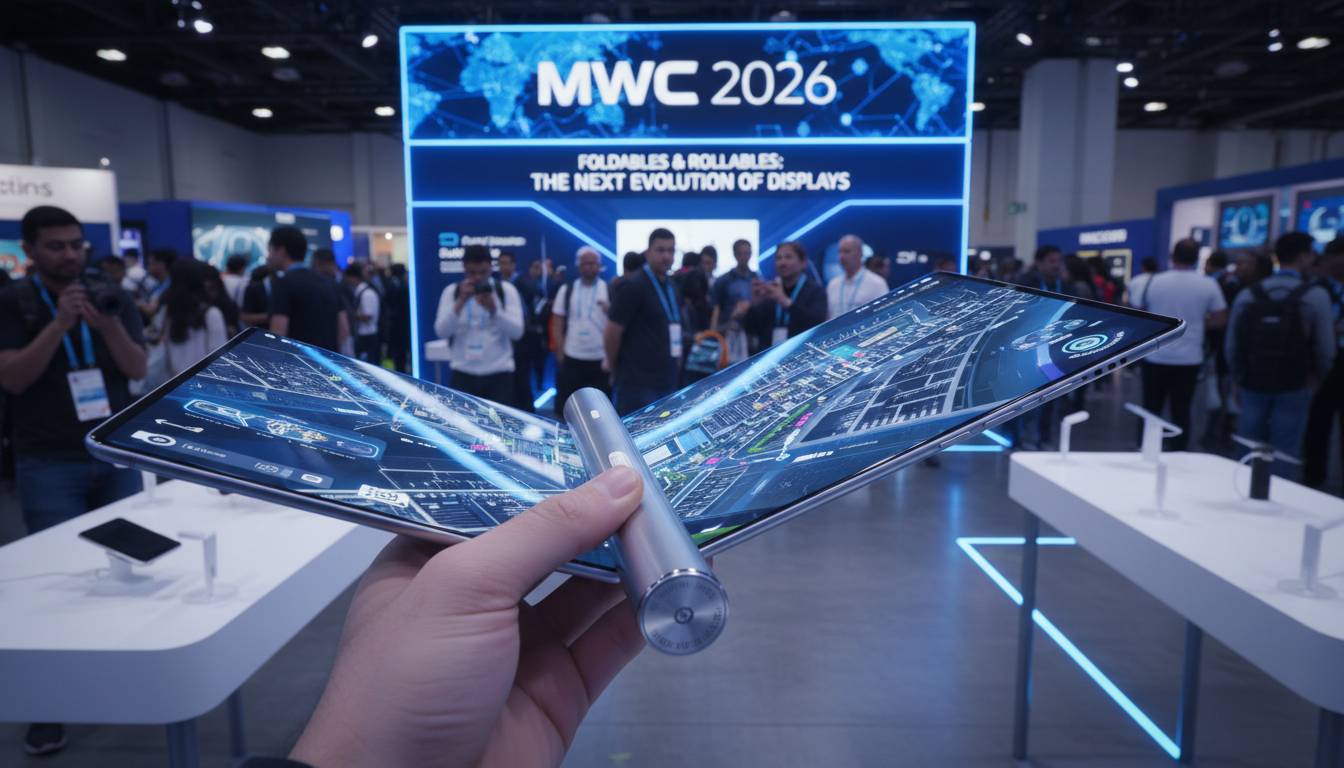
Barcelona turns into a tech carnival every February, and this year should be no different. The Mobile World Congress is the place where phone makers, network companies, and gadget obsessives gather to show off what they’ve been working on. Here’s what’s generating buzz ahead of the event.
Smartphones and Mobile Devices
The phone industry keeps churning out new models, and MWC 2026 will feature several that might actually be worth upgrading to. Manufacturers are building AI directly into devices now, handling tasks like photo processing and voice transcription without needing an internet connection.
Battery life keeps improving, which is the upgrade most people actually care about. Several companies are rolling out solid-state batteries that charge faster and last longer than the lithium-ion packs we’ve been stuck with for years.
The foldable phone situation is getting interesting. Remember when those things broke after a week? That’s mostly fixed. The new models are thinner, lighter, and the crease in the middle is barely visible anymore. Samsung, Google, and a few others are pushing these toward mainstream appeal rather than just tech demos.
Wearables and Smart Accessories
Wearables have grown up. The fitness tracker phase is mostly over; now it’s about health monitoring that actually matters. Some watches can track blood sugar continuously, detect irregular heartbeats, and even flag potential issues before they become problems.
Smart glasses are finally becoming something normal people might actually wear. The new models are lightweight, look like regular glasses, and do useful things like translate signs in real time or show you walking directions without checking your phone. They’re not cheap yet, but the “Google Glass” weirdness is fading.
The health features keep expanding. Sleep tracking, stress monitoring, and blood oxygen have become standard. The real value is how all this data talks to your phone, creating a picture of your health that was impossible to get a few years ago.
AI and Smart Home Technology
AI isn’t a buzzword anymore—it’s just part of how devices work. Smart home stuff is actually getting smart, not just connected. The best systems learn your routines and anticipate what you need before you ask.
Think lights that brighten and dim based on your schedule, thermostats that know when you’re heading home, and security cameras that recognize your family versus strangers. It’s less “hey assistant, turn on the lights” and more things just working the way you’d expect.
Voice assistants are finally getting better at actual conversation. Instead of repeating yourself three times or speaking in exact keywords, you can just talk normally and get reasonable responses. Large language models are making this possible in ways that felt like science fiction a couple years ago.
Connectivity and Infrastructure
5G networks have opened up possibilities that weren’t realistic before. Fixed wireless is now a legitimate option for home internet in many areas—no digging up yards for fiber, just plug in a box and get speeds that compete with traditional providers.
The Internet of Things keeps growing. There are now billions of connected devices coordinating in ways that are actually useful. Your fridge can order milk when you’re low, your car can talk to traffic systems, and industrial equipment can fix problems before they cause downtime.
Future Tech and Concept Devices
MWC always features things that may never ship but point toward where things are going. This year should bring more flexible displays, weird new input methods, and experimental form factors that might become mainstream in five years or never.
Sustainability is getting real attention. Modular phones that let you upgrade the camera or battery instead of tossing the whole device, biodegradable components, and better recycling programs are all areas where companies are actually making progress instead of just talking about it.
Conclusion
MWC 2026 should give us a solid look at where consumer tech is heading. The big themes—AI integration, better batteries, more practical wearables, and genuinely useful smart homes—are all connected. The pace of change feels like it’s picking up again after a few years of incremental updates.
Frequently Asked Questions
When is MWC 2026 taking place?
MWC Barcelona happens in late February or early March. The GSMA announces exact dates as the event gets closer.
What makes MWC an important tech event?
It’s one of the biggest mobile industry gatherings in the world. Manufacturers use it to announce their biggest products for the year, and nearly everyone who matters in tech shows up.
Will foldable phones continue to be a major focus at MWC 2026?
Yes. The durability issues that plagued early models are mostly solved, and companies are experimenting with new shapes and sizes beyond the standard fold-out phone.
How is AI expected to feature in MWC 2026 announcements?
Every category will have AI features. Phones with on-device processing, smarter home automation, health tracking that actually means something—it’s becoming expected rather than special.
Can I expect sustainable tech announcements at MWC 2026?
Absolutely. Several companies are highlighting repairable designs, recycled materials, and modular components as part of their messaging.
How can I follow MWC 2026 announcements remotely?
Major tech publications cover it extensively—live blogs, keynote streams, and detailed posts about whatever gets announced.












Leave a comment