

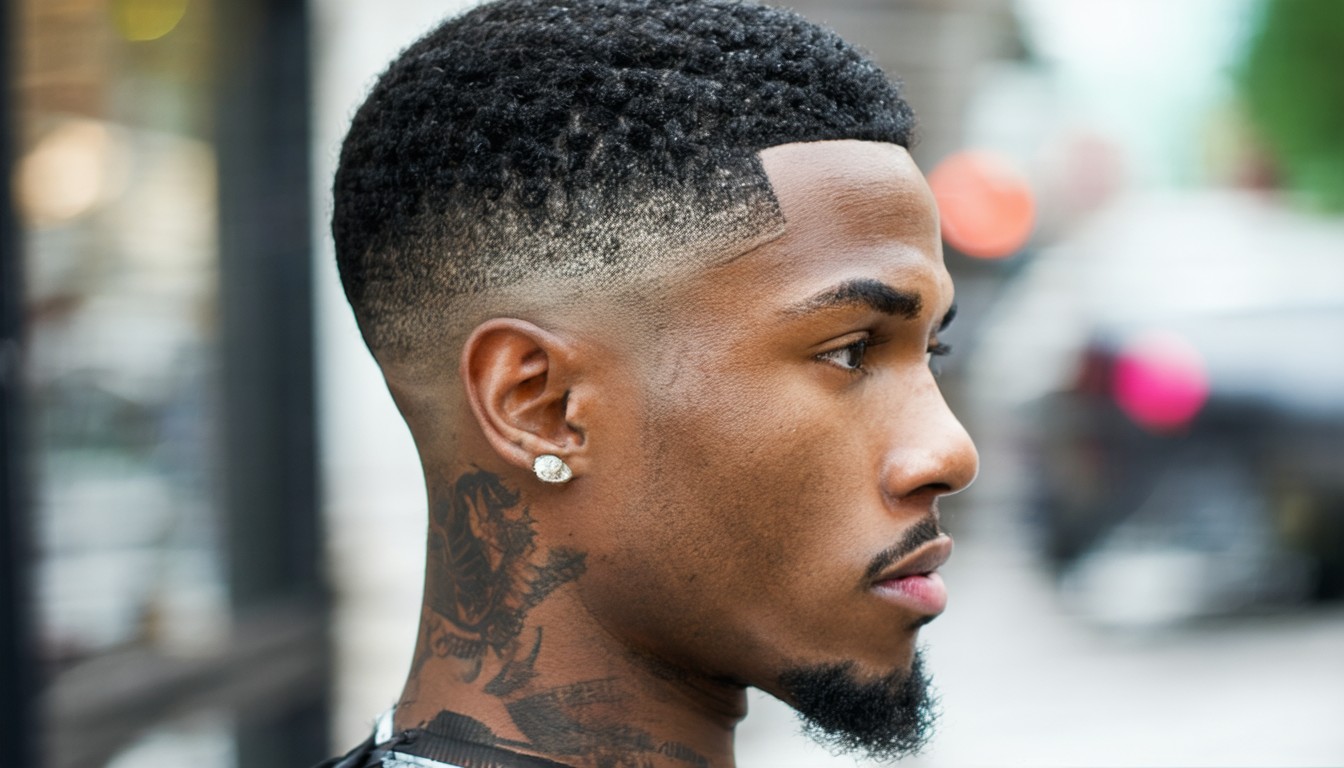
In the digital age, few things are safe from becoming viral meme fodder — not even the humble haircut. In recent years, the “low taper fade” has emerged not just as a staple in barbershops but also as an unlikely star across social feeds. What started as a sleek, subtle haircut choice has become the centerpiece of countless jokes, reaction images, and TikTok sketches. The low taper fade meme is emblematic of the way humor travels online and how style trends evolve far beyond their origins.
Understanding the Low Taper Fade and Its Meme Appeal
A low taper fade is a classic men’s haircut where the hair gradually shortens from the top down to the neckline, blending smoothly at a point near the ears. Known for its versatility and clean finish, the style is as popular among celebrities as it is with everyday people seeking a fresh, low-maintenance look.
But why has this particular haircut become meme-worthy? The internet’s obsession with the low taper fade stems from several key trends:
- Teenage boys and young men often show off their fresh fades on platforms like TikTok and Instagram.
- The cut has become associated with high school culture, locker room banter, and playful “glow up” transformations.
- Barbershops, especially in urban communities, have made the fade a ritualized, social event.
When these sociocultural touchpoints converge, a haircut transforms into a punchline. As Visage Magazine’s grooming columnist Jordan Park notes:
“The low taper fade meme is about more than just hair — it’s about cultural shorthand. Posting your fade says ‘I’m on-trend, I care about my look, and I’m in on the joke.’ It’s self-aware style that fuels internet memes.”
In practice, memes riff on the universality of the cut, exaggerating its social currency or playfully mocking the obsession with “crisp” lineups.
The Anatomy of a Viral Haircut Meme
Classic Formats and Recurring Themes
Low taper fade memes tend to follow a few recognizable patterns:
- Before & After Jokes: Showcasing dramatic “glow-up” transformations, these often feature a disheveled kid “before” and a confident, fresh-faced youth “after” a low taper fade.
- Barbershop Stereotypes: Lighthearted jabs at barbers’ sales pitches or claims that “every problem can be solved” with the right fade.
- Over-The-Top Reactions: Videos of friends hyping up a new cut as if it were life-changing, only for the result to be barely perceptible.
TikTok, in particular, has fueled these jokes. The hashtag #lowtaperfade boasts millions of views, with creators remixing hair tutorials, parodying “bad fade” disasters, and celebrating “that first day of school after a fresh cut.” This communal remixing drives memes deeper into mainstream culture.
Real-World Examples: From High School Halls to NBA Courts
It’s not just ordinary teens; NBA stars, rappers, and actors frequently sport variations of the taper fade, reinforcing its status as a modern status symbol. This visibility has prompted a new wave of memes comparing everyday people’s attempts at the style with those of celebrities and pro athletes.
Beyond individual memes, entire accounts on Instagram and Twitter are devoted to roasting bad fades or celebrating “fade Fridays,” turning the haircut into weekly internet events. One viral image contrasted a crisp, professionally done taper fade with a home attempt gone wrong—a humorous nod to the pandemic DIY haircut era.
Why Haircut Memes Resonate: The Psychology Behind the Laughter
The low taper fade meme hits home because it blends relatability with aspiration. Almost everyone’s had an ambitious haircut at some point, only to discover reality doesn’t always match the barbershop poster. The memes tap into:
- Shared Experience: Many young men remember getting a fade for the first time as a rite of passage.
- Community Bonding: Barbershops serve as social hubs in many urban areas, where style becomes a language of belonging.
- Generational Trends: As Gen Z spends more of their adolescence online, their humor — including haircut jokes — spreads rapidly as shareable content.
Internet humor experts point out that “roast culture” (gentle social teasing) drives many of these memes. Friends poking fun at a lopsided fade or an overly dramatic reaction to a haircut tap into universal themes of insecurity and self-presentation.
“Memes about haircuts, like the low taper fade, reflect a broader societal fascination with image and identity,” explains Dr. Sarah Ahmed, digital sociologist at Urban Humor Lab. “They play with our collective anxieties but make them funny, and that’s why they go viral.”
Barbers, Creators, and the Memefication of Grooming
How Barbers Capitalize on Memes
A growing number of stylists now use memes as part of their marketing strategies. Instagram Reels and TikToks showing “expectation vs. reality” fades, or exaggerated tutorials lampooning haircut trends, attract millions of viewers—and, often, new clients. For some, meme formats have become a core part of business branding, helping them connect with Gen Z and younger Millennials.
User-Generated Content: Fueling the Trend
The low taper fade meme also thrives because it invites participation. Anyone with clippers and enough courage can record their own attempt—sometimes with hilarious or unexpectedly impressive results. Tutorials, “fail” compilations, and genuine transformations all blend together, making the trend feel democratic and accessible.
Risks and Rewards: When the Joke Crosses a Line
While most low taper fade memes are good-natured, they occasionally cross into uncomfortable territory—mocking people’s appearances or shaming those without access to professional grooming. Social critics have noted the importance of keeping humor inclusive and not perpetuating negative stereotypes.
Barbershop owners in some communities have used the public conversation around these memes to promote positivity, highlighting the role of grooming in mental health and self-confidence.
The Low Taper Fade Meme’s Broader Cultural Impact
As memes about haircuts circulate, they reflect larger shifts in how youth, especially young men, engage with style and social media. Hair, once a private or utilitarian matter, has become an outward symbol of group belonging and digital awareness. The ability to laugh at yourself—whether your fade is flawless or flawed—means participating in a community that values both appearance and authenticity.
Looking ahead, the next wave of viral hair trends is always around the corner. For now, though, the low taper fade remains both a statement of style and a comedic touchpoint for anyone seeking a laugh at the barbershop (or on their feed).
Conclusion: Jokes, Style, and the Internet’s Enduring Obsession
The low taper fade meme isn’t just about a specific haircut — it’s a testament to how humor, identity, and trending culture intersect online. As generations grow up more connected than ever, even the simplest style decisions become potential viral moments. More than a passing phase, these memes have cemented the taper fade in the cultural lexicon, where style and internet wit go hand in hand. For anyone considering their next haircut, just remember: every fade could be your fifteen minutes of meme fame.
FAQs
What is a low taper fade?
A low taper fade is a haircut where the hair gradually shortens around the sides and back, blending smoothly at a point low near the ear. It’s a popular choice for those wanting a clean, subtle transition between lengths.
Why did the low taper fade become a meme?
The style became meme-worthy due to its popularity with teens, influencers, and athletes, plus the internet’s tendency to remix common experiences—even haircuts—into jokes and challenges.
Are low taper fade memes meant to be positive or negative?
Most are light-hearted and relatable, poking fun at shared experiences. However, as with all memes, context matters; it’s important not to cross into ridicule or body shaming.
How has social media changed barbershop culture?
Platforms like TikTok and Instagram have amplified both trends and jokes around haircuts, turning barbershops into spaces for content creation and online storytelling, not just grooming.
Can haircut memes impact self-esteem?
For many, these memes are a source of humor and camaraderie. However, they can affect self-image if taken too seriously or used to mock rather than uplift.
Where can I find low taper fade memes?
Look for hashtags like #lowtaperfade on Instagram, TikTok, and Twitter, or follow meme-themed accounts dedicated to barbershop culture and trends.












Leave a comment