

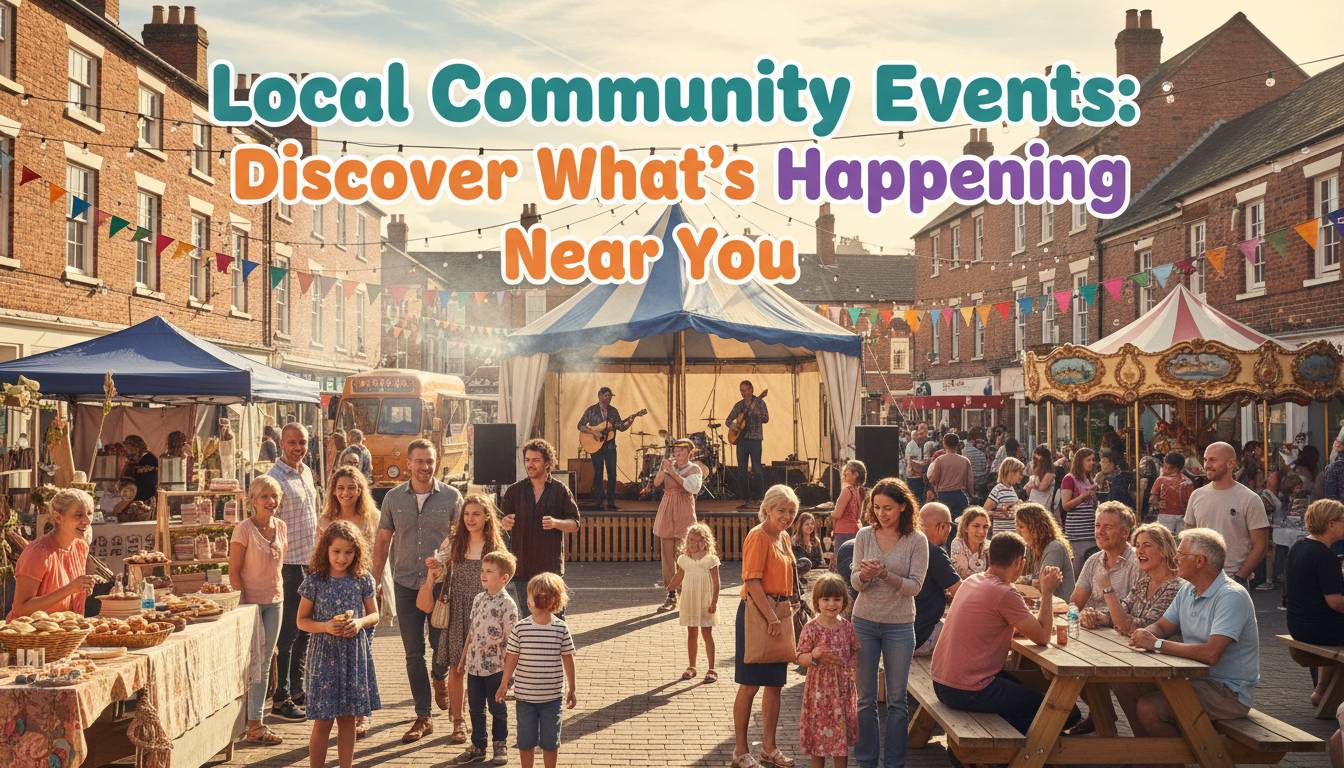
Even with smartphones keeping us constantly connected, people still crave actual face-to-face time. Local community events—from small-town festivals to weekend farmer’s markets—give neighbors reasons to leave their houses and actually talk to each other. This guide covers finding events near you, attending them, and organizing your own.
Types of Local Community Events
American communities host all kinds of gatherings. Knowing what’s out there helps you find things that match your interests.
Cultural and Artistic Celebrations make up a big chunk of local gatherings. Art walks, music festivals, theater productions, and cultural heritage celebrations let communities show off their unique traditions while teaching residents about different backgrounds. Austin, Texas, and Savannah, Georgia, have built reputations around their arts scenes that draw visitors from across the country.
Educational and Professional Development events have grown a lot in recent years. Libraries, community centers, and schools host workshops, lectures, and skill-building sessions on everything from budgeting to computer training. The American Library Association says over 4,000 public libraries run more than 280,000 programs yearly, many of them free.
Fitness and Wellness gatherings took off after 2020. Community yoga sessions, running clubs, hiking groups, and wellness fairs have become common in neighborhoods that want to promote healthy living. These events mix exercise with socializing, which helps people stick with their health goals.
Farmers Markets and Local Food Events have become essential to community life. The USDA reports that farmers markets add over $1 billion to local economies every year while giving urban and rural communities access to fresh produce. These markets support local farmers and create spaces where neighbors can chat.
Volunteer and Service Opportunities bring residents together around shared causes. Neighborhood cleanups, food bank drives, mentoring programs, and conservation projects let people contribute to their communities while meeting others who care about the same things. The Corporation for National and Community Service says Americans volunteered about 4.1 billion hours in 2021, with many of those hours happening at organized community events.
How to Find Local Community Events
Finding what’s happening in your area is pretty easy nowadays, thanks to both digital tools and old-school resources.
Online Event Platforms have changed how people find gatherings. Eventbrite lists millions of local events every year, from small neighborhood get-togethers to big festivals. You can filter by location, date, category, and price. Facebook Events also works well, showing you events organized by friends, local groups, and community organizations.
Meetup is all about group activities based on shared interests. Whether you’re into photography, sustainable living, book clubs, or hiking, Meetup groups in your area probably organize regular gatherings. The platform focuses on ongoing groups rather than one-time events, so you can actually build relationships with people rather than just showing up once.
Local Government Resources give you reliable info about community events, especially ones with civic or educational purposes. City and county websites usually have event calendars. Parks and recreation departments, community development offices, and visitor bureaus often publish seasonal event guides. These official sources tend to highlight free or low-cost events open to everyone.
Community Centers and Libraries are still great for finding out about local events, especially ones aimed at families, seniors, or people looking for educational programs. These places usually have flyers on bulletin boards and newsletters you can sign up for. Getting to know the staff there can give you tips about events that aren’t widely advertised.
Nextdoor, the neighborhood social media platform, has become useful for finding hyper-local events. Unlike bigger platforms that might show you things across a whole metro area, Nextdoor connects you with people on your specific block, making it good for finding things like block parties, garage sales, and casual meetups.
How to Organize Your Own Community Event
If you want to bring people together, planning a successful event takes work. Whether you’re hosting a small backyard gathering or something bigger, knowing the key steps helps you avoid a flop.
Decide what you want to do and how big it should be. Figure out your goal—celebrating a holiday, addressing a community need, or just getting neighbors to hang out. The size should match what you can actually handle. A backyard barbecue needs way less planning than a street festival expecting hundreds of people.
Get a team together. Splitting up the work makes everything easier. Recruit friends, neighbors, or community members who bring different skills—some people are good at logistics, others at spreading the word or handling money. Working with others also means more networks for promotion, and you won’t have to stress as much when problems come up.
Get the necessary permits. This protects you and your guests while following local rules. Many cities require permits for events that block roads, use loud music, serve food, or expect large crowds. Check with your city hall or parks department early to find out what you need. Skipping this can get your event shut down or land you with fines.
Get the word out. List your event on Eventbrite, Facebook Events, Meetup, and local community boards. Make flyers that catch attention and write clear descriptions so people know what to expect. Local media, neighborhood associations, and social media groups can help spread the word further.
Handle the logistics. This means picking and setting up the venue, renting equipment, arranging food and drinks, figuring out parking, making sure the place is accessible to everyone, and planning for safety. A detailed timeline with specific tasks assigned to specific people keeps things running smoothly on the day of the event.
The Benefits of Attending Local Community Events
Going to local events does more than just give you something fun to do. Knowing the benefits might motivate you to get out more.
Social connection and belonging may be the biggest payoff. The Harvard Study of Adult Development, one of the longest-running studies on happiness, consistently finds that strong social connections predict life satisfaction and health better than almost anything else. Local community events give easy ways to meet neighbors, make friends, and build support networks right where you live.
Economic impact happens when you attend local gatherings. Spending money at local events supports small businesses, vendors, and community organizations. That spending ripples through the neighborhood and helps keep commercial areas alive. The International Festival and Events Association says community festivals generate billions in economic activity every year in the US.
Personal growth and learning happen naturally when you go to events. Workshops, lectures, and skill-sharing sessions teach you things without the commitment of formal classes. Exposing yourself to different perspectives and experiences broadens your thinking and might spark new interests or career directions. Kids who regularly attend community events tend to develop better social skills and awareness that helps them later in life.
Civic engagement and empowerment often start with attending local events. Community gatherings give informal settings to talk about neighborhood concerns, learn about local issues, and meet civic leaders and organizations. Many active community members got started when attending an event sparked their interest in doing more.
Technology and Local Community Events
Tech has created new ways to connect while also giving organizers and attendees new things to think about.
Event discovery apps have made it easier to find out about local gatherings. Beyond Eventbrite and Facebook, lots of other apps focus on specific interests or areas. Many cities now have their own apps that pull together local events, so residents can see what’s happening without searching through a dozen different sites.
Social media marketing has changed how events are promoted and experienced. Organizers can reach specific audiences through targeted ads, while attendees share what’s happening in real time, which helps events get more attention naturally. But this digital presence also raises questions about privacy, screen time, and whether people are actually present at in-person events.
Virtual and hybrid events became essential during the pandemic and still serve important purposes. While most people still prefer in-person events, virtual parts can help people who have trouble getting around, scheduling conflicts, or live far away. Good community events now include digital elements that add to the in-person experience rather than replacing it.
The Future of Local Community Events
As society changes, community events will change too. Several trends are shaping how neighborhoods will gather.
Sustainability and environmental consciousness are becoming central to event planning. Organizers increasingly focus on eco-friendly practices—using less single-use plastic, sourcing food locally, and cutting carbon emissions. Community events that show environmental responsibility often attract people who care about these issues and can serve as examples for other gatherings.
Inclusion and accessibility are getting more attention. Organizers are more aware of making events welcoming to people of all abilities, backgrounds, and identities. This includes physical accessibility, cultural sensitivity, and language access. Communities that focus on inclusive events usually see more people participate and feel stronger connections.
Hybrid formats combining in-person and virtual elements will probably continue even as pandemic concerns fade. The flexibility these formats offer—allowing participation from homebound individuals or those with scheduling conflicts—provides value that purely in-person events can’t. Finding the right balance between digital convenience and in-person connection stays a central challenge for organizers.
Frequently Asked Questions
How do I find local community events near me?
Check Eventbrite, Facebook Events, and Meetup, filtering by your location and interests. Local government websites have event calendars. Community centers, libraries, and neighborhood associations post flyers and announcements. Nextdoor works well for finding very local gatherings in your specific neighborhood.
What types of local community events can I attend for free?
Lots of events don’t charge admission—farmers markets, outdoor concerts, library programs, community festivals, park gatherings, neighborhood cleanups, and workshops. Local governments and nonprofits often host free events as part of their community outreach. Check local listings and community bulletin boards for no-cost options.
How can I promote my own community event?
Create listings on Eventbrite, Facebook Events, or Meetup. Post in local community groups, neighborhood newsletters, and social media. Ask local businesses, community centers, and libraries to display flyers. Build a simple event page with clear details about date, time, location, and what to expect.
Are local community events family-friendly?
Many are specifically designed for families and all ages. Always check event details first. Family-friendly events usually advertise age-appropriate activities. Read descriptions, check venue information, and look for family-focused language to find appropriate gatherings.
What should I bring to a local community event?
Wear comfortable clothes suitable for the venue and weather. Bring any tickets or registration confirmations, payment method for purchases, and ID. For outdoor events, consider sunscreen, water, blankets or chairs, and bug spray. Family events may need diapers, snacks, or activities for kids. Check event info for special requirements.
How do local community events benefit the economy?
Events stimulate local economies by bringing spending to nearby businesses, supporting local vendors and artisans, and attracting tourism. Farmers markets keep money in the local economy by connecting consumers directly with regional producers. Successful events can also raise property values and attract new residents and businesses looking for vibrant communities.
Local events are a key part of neighborhood life in America. Whether you want entertainment, education, connection, or ways to give back, there’s probably something happening near you. Use the resources in this guide, get out there, and you might find a richer, more connected community than you expected.














Leave a comment