

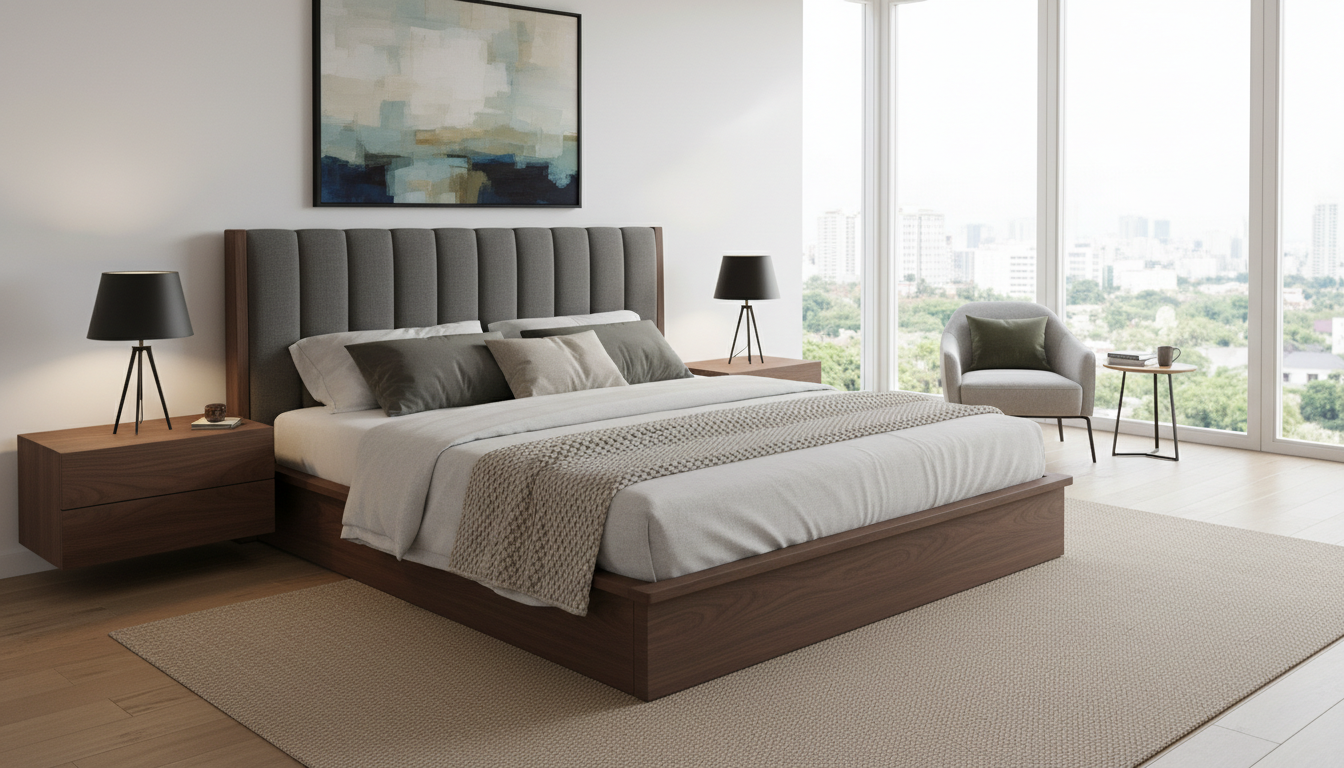
Choosing a king size bed is about more than just comfort—it’s a delicate balance of room layout, aesthetic harmony, and living habits. Many folks jump straight to dimensions without thinking about how that bed will actually sit in the space: door clearance, side tables, walking paths. Let’s explore dimensions, buying considerations, and ways to make the bed truly work for your bedroom—kind of like a friendly conversation with an experienced designer, but sprinkled with real talk.
Understanding King Size Bed Dimensions
King beds are known for their generous width, but it’s important to break down the numbers:
Standard King vs. California King
- Standard King (Eastern King): Typically around 76 inches wide and 80 inches long. It’s a broad square shape—great if you’re hoping for arm-stretching room or you share the bed and don’t mind elbow clashes.
- California King: Usually about 72 inches wide and 84 inches long. A bit narrower, a bit longer—perfect if you’re taller, more graceful, or just need that extra foot or two of legroom.
Beyond these, there are variants like Olympic King (roughly 78″ x 80″) or Wyoming King (84″ x 84″), but those are less common and often confined to custom or luxury setups.
Room Fit Essentials
To choose the right fit, here’s what to keep in mind:
- Measure your room’s usable space, not just the floor plan. Include door swing, dresser placements, and closet clearance.
- Leave at least 24 inches on either side of the bed for dresser drawers to open and for easy movement.
- Factor in your other essentials: nightstands, lighting, and maybe a bench at the foot of the bed.
Real-Life Example
One couple I talked to had a 15-by-12-foot bedroom. They opted for a California King so they could fit a bench at the foot and still have flow around the sides. It’s a smaller numerical shift from the standard king, but it opened up their entire space—think, small changes can yield surprisingly big effects.
Buying Considerations: From Style to Storage
Choosing the right king size bed isn’t just measurements—it’s about lifestyle, style, and even storage needs.
Frame Styles and Practicality
- Platform beds: Sleek, minimalistic, no box spring needed. They take up less vertical space—nice if ceiling height is a concern.
- Bed with a headboard: Creates a focal point, but be sure to measure your wall-to-wall width if the headboard flares out.
- Adjustable frames: A growing choice for folks who like flexibility, with separate head/foot movement for reading or lounging.
Storage Solutions
A king bed is generous on top, but storage underneath—especially hydraulic lift or drawers—is a great bonus. If closet space is tight, this kind of functionality can make a huge difference. I’ve heard from people who’ve ditched bulky chests of drawers because the storage under their bed was sufficient. Smart.
Material and Support
Wood, metal, upholstered frames—they all have their trade-offs. Wood offers warmth and durability, metal often brings a sleeker modern touch. But maybe more important is support type: slatted bases, box springs, or solid platforms each influence mattress longevity and sleep comfort. If you’re prone to aches, investing in good support is not negotiable.
“A bed isn’t just a place to sleep—it’s a foundation for rest, intimacy, and daily routines. The right frame transforms those inches into peace of mind.”
Style Meets Function
Blending aesthetics with functionality can lead to creative results. One urban dweller I met used a low-profile upholstered California King to create a cozy, hotel-style vibe in her loft. The lower height made those tall ceilings feel more approachable—beauty and sense, you know?
Layout Planning: Visualizing the Space
Even if you’re not a designer, you can preview how a king bed will fit your room.
Sketch and Walk Through
Draw a rough room layout to scale on paper or with a simple app. Rough cut shapes: rectangle for the bed, smaller ones for nightstands. Walk around the shape in your mind (or actual space, if possible) to sense traffic flow.
Check Doors and Windows
It’s easy to overlook whether a swinging door may collide with bed corners, or a window behind the headboard is blocked. These are practical nuisances that sometimes slip the mind until they become annoyances.
Focus on Focal Points
In many rooms, a bed becomes the focal point. Centering it under the window or accent wall works aesthetically, but it’s okay to shift it toward one side if that improves pathing. Balance matters, but function wins.
Mattress Choices for King Beds
Having enough surface doesn’t guarantee enough comfort. The right mattress makes all the difference.
Twin XL Pairing vs. Unified Mattress
Some couples choose two Twin XLs (38″ x 80″) to make a king. It’s convenient for customizable firmness, but seam sensitivity and aesthetic differences can sometimes show. A unified king mattress avoids that — though transporting one large piece into tight stairwells can be headache-inducing.
Comfort Levels and Materials
Much ink has been spilled on memory foam vs. innerspring vs. hybrids. In general:
- Memory foam: excellent for pressure relief, might trap more heat.
- Innerspring: better airflow, bouncier, often cooler.
- Hybrid: tries to blend benefits—support with contouring.
While exact percentages of buyers by type can vary, hybrid and foam have been on the rise, especially among shoppers valuing balance between comfort and temperature control.
Matching Mattress to Frame
Certain frames—like platform beds with fewer slats—may need specific mattress types or box springs to ensure durability. Always check manufacturer recommendations—your warranty can hinge on using the right support.
Final Thoughts and Slight Confessions
Even with careful measurement, mistakes happen. One friend thought she had room for a Standard King, but only after delivery did she realize swinging closet doors barely cleared. Sometimes the math is perfect, but practicalities sneak in. That’s okay—some improvisation (like trimming closet doors or switching to sliding options) is often part of the journey.
Depending on your height, style, and storage needs, one size isn’t strictly better than the other. It comes down to walking space, ease of movement, and visual balance. Picking a California King for height vs. Standard King for width is a decision worth some reflection.
Conclusion
In sum, finding the right king size bed is a layered process: start with accurate measurements and leave breathing room around the bed; choose a frame that fits your style and support needs; plan the layout carefully, especially around doors and windows; and select a mattress that complements the frame and supports your comfort. Sometimes, the difference between a relaxing retreat and a cramped nightmare is just a few inches—and some foresight.
FAQs
What is the difference between a Standard King and a California King bed?
Standard King typically measures about 76″ wide by 80″ long, offering generous width. California King is usually around 72″ wide by 84″ long, making it slightly narrower but better suited for taller individuals.
How much space should I allow around a king bed in the bedroom?
Ideally, leave at least 24 inches of walking space on each side of the bed for clear movement and functionality like opening drawers or accessing nightstands.
Can I use two Twin XL mattresses instead of a single king mattress?
Yes, pairing two Twin XL mattresses can offer customizable firmness per side and ease of handling, though it may introduce a seam and aesthetic disparities compared to a unified king mattress.
What type of bed frame supports a king mattress best?
Platform beds, frames with durable slats, or adjustable bases tend to support king mattresses well. Always confirm with the manufacturer to ensure proper support and maintain mattress longevity.
Should I prioritize width or length when choosing between Standard and California King?
That depends on your physical stature and space layout. Taller people often prefer California King for extra length, while those with wider rooms may find the Standard King’s width more comfortable.
Is under-bed storage important with a king size bed?
For bedrooms with limited closet or dresser space, storage solutions like drawers or hydraulic lift under a king bed can be highly practical, often reducing the need for additional furniture.
Let your next bed decision be less of a gamble and more a step towards perfect rest—and maybe a bit of bedside flair.


















Leave a comment