


Investing in cryptocurrency has evolved from a fringe hobby into a mainstream financial phenomenon. Over 40% of Americans now own some form of cryptocurrency, with Bitcoin and Ethereum leading the market capitalization. If you’re considering entering this space, understanding how to invest safely and strategically is essential for protecting your capital while positioning yourself for potential growth.
This guide walks you through the complete process of investing in cryptocurrency, from setting up your first wallet to executing your initial trades—all while understanding the risks that make this asset class unique.
Understanding Cryptocurrency Before You Invest
What Is Cryptocurrency?
Cryptocurrency is a digital or virtual currency that uses cryptography for security and operates on decentralized networks, typically built on blockchain technology. Unlike traditional currencies issued by governments (fiat currencies), cryptocurrencies operate without a central authority like a bank or government. Bitcoin, created in 2009, was the first cryptocurrency and remains the most valuable by market capitalization, currently trading above significant psychological thresholds as adoption continues expanding globally.
The underlying technology—blockchain—records transactions across many computers, making the system virtually tamper-resistant. This decentralization is what distinguishes cryptocurrency from digital payments through platforms like PayPal or Venmo, which still rely on traditional banking infrastructure.
Why People Invest in Cryptocurrency
Investors are drawn to cryptocurrency for several reasons that differentiate it from traditional assets. First, cryptocurrency offers 24/7 market access—trading never stops, unlike stock markets that close evenings and weekends. Second, the market operates globally without geographic restrictions, enabling anyone with an internet connection to participate. Third, cryptocurrency provides portfolio diversification benefits, as its price movements often correlate differently with stocks and bonds.
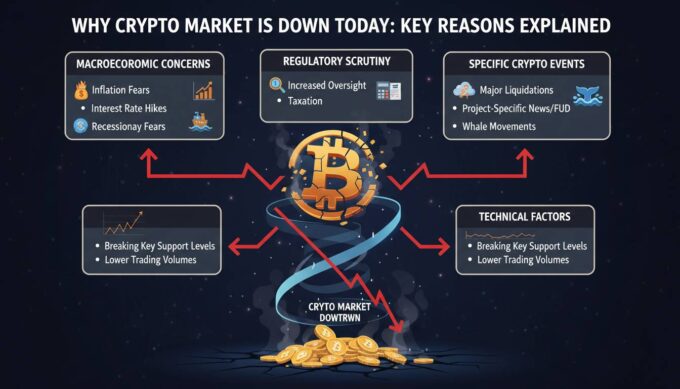
Perhaps most significantly, cryptocurrency represents potential for substantial returns. Bitcoin has delivered astronomical gains over its history, though past performance absolutely does not guarantee future results. The asset class remains highly volatile, with prices capable of swinging 20% or more in single days—characteristics that attract some investors while terrifying others.
Key Insights
– Cryptocurrency operates on decentralized blockchain technology without central authority
– 40%+ of Americans now own cryptocurrency (various surveys, 2023-2024)
– Markets trade 24/7 globally, unlike traditional stock exchanges
– Volatility is significantly higher than traditional financial assets
Step-by-Step Guide to Investing in Cryptocurrency
Step 1: Define Your Investment Goals and Risk Tolerance
Before spending a single dollar, honest self-assessment prevents costly mistakes. Ask yourself: Why am I investing in cryptocurrency? Common motivations include long-term wealth accumulation, portfolio diversification, speculative trading, or simply staying current with technological trends.
Your risk tolerance is the critical factor determining how much capital to allocate. Cryptocurrency’s volatility means you could lose substantial portions of your investment. A common guideline suggests allocating no more than 1-5% of your total investment portfolio to cryptocurrency, though some investors with higher risk tolerance choose more aggressive percentages.
Consider your time horizon as well. Are you investing for retirement (holding for decades), the next five years, or hoping to trade short-term price movements? Long-term holders (“HODLers” in crypto terminology) have historically performed better than frequent traders, who often lose money to fees and market timing mistakes.
Step 2: Choose a Reputable Cryptocurrency Exchange
Selecting the right exchange is perhaps your most important decision. Cryptocurrency exchanges are platforms where you buy, sell, and trade digital assets. The US regulatory environment means legitimate exchanges must comply with KYC (Know Your Customer) requirements and register with relevant authorities.
Major US-Based Exchanges
| Exchange | Best For | Fees | Features |
|---|---|---|---|
| Coinbase | Beginners | Higher (spread-based) | Excellent security, easy UI, insured wallets |
| Kraken | Advanced traders | Lower | Robust features, staking, futures |
| Gemini | Security-focused | Moderate | Regulated, insurance, Earn program |
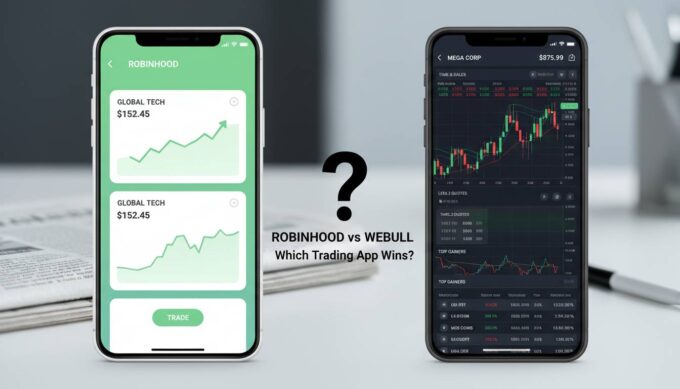
| Robinhood | Commission-free | No-fee model | Simplicity, limited withdrawal options |
Coinbase dominates US retail trading with approximately 30% market share, offering the most user-friendly experience for newcomers despite higher fees. Kraken appeals to more experienced traders with lower costs and advanced trading features. Gemini emphasizes security and regulatory compliance, making it attractive to cautious investors.
Verify any exchange’s registration with FinCEN (Financial Crimes Enforcement Network) and check whether it’s available in your state—some exchanges don’t operate in all US states due to varying regulatory requirements.
Step 3: Secure Your Cryptocurrency Wallet
While exchanges provide wallets, understanding the distinction between exchange wallets and personal wallets is crucial for security. When you buy cryptocurrency on an exchange, your coins are held in the exchange’s wallet. This is convenient but means you don’t fully control your private keys—and if the exchange is hacked or goes bankrupt, you could lose your assets.
Self-Custody Wallets provide full control but require greater responsibility. Hardware wallets like Ledger or Trezor store your private keys offline, offering the highest security against hacking. Software wallets (mobile or desktop applications) provide convenience but carry more security risk. Paper wallets—physical documents containing your private keys—work for long-term storage but require careful physical security.
For beginners starting with modest amounts, keeping funds on a reputable exchange with strong security track records is acceptable. As your holdings grow, transferring to a hardware wallet becomes increasingly advisable.
Step 4: Fund Your Account and Make Your First Purchase
Once you’ve chosen an exchange and created an account (requiring identity verification, typically taking 15-60 minutes), funding your account is straightforward. US exchanges support bank transfers (ACH), wire transfers, and sometimes debit card purchases. Bank transfers typically take 1-3 business days while debit purchases provide instant access but may carry higher fees.
When making your first purchase, starting with Bitcoin or Ethereum is wise. These established cryptocurrencies have the longest track records, highest liquidity, and deepest market understanding. Avoid the temptation to immediately pursue “meme coins” or obscure altcoins promising astronomical returns—these carry exponentially higher risk.
Most exchanges allow market orders (buying immediately at current price) or limit orders (setting your desired price). Market orders guarantee execution but at whatever price exists when your order processes. Limit orders let you specify your price but may never execute if the market doesn’t reach your target.
Step 5: Understand Tax Implications
The IRS treats cryptocurrency as property, not currency, meaning every sale, trade, or disposal triggers potential capital gains taxes. If you buy Bitcoin for $10,000 and later sell for $15,000, the $5,000 gain is taxable income. Holding cryptocurrency without selling creates no immediate tax event.
Tracking your cost basis (what you paid for each unit) and transactions throughout the year is essential. Popular services like CoinTracker, CryptoTaxCalculator, or the exchange’s native reporting tools help maintain records. Failing to report cryptocurrency transactions can trigger IRS audits and penalties—this is not an area where tax obligations can be safely ignored.
Essential Investment Strategies
Dollar-Cost Averaging vs. Lump Sum Investing
Two primary approaches exist for entering cryptocurrency positions. Dollar-cost averaging (DCA) involves investing fixed amounts at regular intervals—perhaps $100 weekly or $500 monthly—regardless of price. This strategy reduces the impact of volatility by buying more when prices are low and less when high. DCA is psychologically easier, requiring no market timing, and has proven effective for long-term cryptocurrency investors.
Lump sum investing involves investing your intended capital immediately upon deciding to invest. This approach can capture gains if markets rise after your purchase, but carries the risk of investing just before a downturn. Historically, lump sum investing slightly outperforms DCA statistically, but the difference is small enough that psychological comfort matters more for most investors.
For beginners, DCA provides a sensible default approach—invest consistently over time rather than attempting to time market entry points.
Diversification Across Cryptocurrencies
While Bitcoin and Ethereum dominate market capitalization, the cryptocurrency ecosystem includes thousands of alternative coins (altcoins). Diversification can reduce portfolio risk, but the correlations between many altcoins and Bitcoin remain high—when Bitcoin drops, most altcoins drop harder.
A common beginner portfolio might allocate 60-70% to Bitcoin, 20-30% to Ethereum, and reserve 5-10% for higher-risk alternatives if desired. This provides exposure to established assets while leaving room for potential upside from smaller projects. Never invest more than you can afford to lose, especially in speculative altcoins.
Common Cryptocurrency Investment Mistakes to Avoid
FOMO-Driven Buying at Market Peaks
The Fear Of Missing Out (FOMO) drives many beginners to buy at the worst possible moments—after media coverage sparks price surges. By the time cryptocurrency is dominating headlines, significant gains have often already occurred, and buying at peaks leads to quick losses when prices correct.
Successful investors resist media-driven impulses, sticking to predetermined investment plans regardless of headlines. If you feel紧迫感 (urgency) to buy, that’s typically a signal to wait rather than act.
Ignoring Security Practices
Cryptocurrency security failures result in billions of dollars in losses annually. Common mistakes include keeping large holdings on exchanges, sharing passwords or private keys, falling for phishing scams, and failing to enable two-factor authentication. No matter how legitimate an offer appears, never share your private keys or seed phrases with anyone—legitimate services will never ask for this information.
Overtrading and Chasing Short-Term Movements
Attempting to profit from hourly or daily price swings rarely succeeds for retail investors. Trading frequency correlates with losses—the more you trade, the more you tend to lose to spreads and fees. Cryptocurrency’s round-the-clock nature can exacerbate this problem, as markets never sleep and neither should your monitoring to avoid missing opportunities.
Long-term holding strategies have historically outperformed active trading in this asset class. Patience compounds; impatience costs.
The Future of Cryptocurrency Investment
Institutional Adoption Trends
The cryptocurrency landscape has matured dramatically since Bitcoin’s creation. Major financial institutions—BlackRock, Fidelity, and numerous hedge funds—have launched cryptocurrency products, legitimizing the asset class for traditional investors. The SEC’s approval of Bitcoin spot ETFs in early 2024 marked a watershed moment, providing regulated pathways for institutional capital to enter the space.
This institutional adoption suggests increased market stability over time, though volatility will likely remain a permanent characteristic. The infrastructure supporting cryptocurrency investing continues improving, with better custody solutions, clearer regulatory frameworks, and more sophisticated trading tools.
Emerging Opportunities
Beyond Bitcoin and Ethereum, the cryptocurrency ecosystem continues evolving. Decentralized finance (DeFi) applications aim to replicate traditional financial services without intermediaries. Non-fungible tokens (NFTs) demonstrated new possibilities for digital ownership. Layer-2 scaling solutions address blockchain throughput limitations.
For beginners, focusing on established cryptocurrencies while monitoring these developments makes sense. As your knowledge grows, exploring new opportunities becomes more viable—but the fundamentals of risk management and portfolio strategy remain constant regardless of which specific assets you choose.
Conclusion
Investing in cryptocurrency represents entering a dynamic, volatile, and potentially rewarding asset class. Success requires more than just buying digital coins—it demands understanding the technology, accepting the risks, and maintaining disciplined investment practices regardless of market sentiment.
Start with small amounts you’re prepared to lose entirely. Use reputable exchanges, enable all available security features, and consider self-custody as your holdings grow. Invest regularly through dollar-cost averaging rather than attempting to time market movements. Track your transactions meticulously for tax purposes.
The cryptocurrency market will continue evolving, presenting both opportunities and risks. By grounding your approach in fundamentals rather than speculation, you position yourself to participate meaningfully while protecting your financial wellbeing. The best time to start learning was yesterday; the second-best time is now.
Frequently Asked Questions
How much money do I need to start investing in cryptocurrency?
You can start investing in cryptocurrency with as little as $1-10 on most exchanges, as they allow fractional purchases. There’s no minimum investment requirement, though you should consider transaction fees relative to your investment amount—for very small purchases, fees can represent significant percentages.
Is cryptocurrency safe to invest in?
Cryptocurrency investment carries substantial risk due to extreme volatility—prices can drop 50% or more during market downturns. Additionally, security risks exist from hacks, scams, and lost passwords. However, investing through reputable exchanges, enabling security features, and never investing more than you can afford to lose makes participation reasonably safe for those who understand the risks.
Do I have to pay taxes on cryptocurrency gains?
Yes, in the United States, cryptocurrency is treated as property by the IRS. Selling, trading, or disposing of cryptocurrency at a profit triggers capital gains tax obligations. Buying and holding cryptocurrency without selling creates no immediate tax event. You must report all cryptocurrency transactions on your annual tax return.
What’s the best cryptocurrency to invest in for beginners?
Bitcoin (BTC) and Ethereum (ETH) are recommended for beginners due to their established track records, high liquidity, and extensive information available for research. Both have survived multiple market cycles and have the largest institutional adoption. Avoid chasing obscure coins promising higher returns until you have significant experience.













Leave a comment