

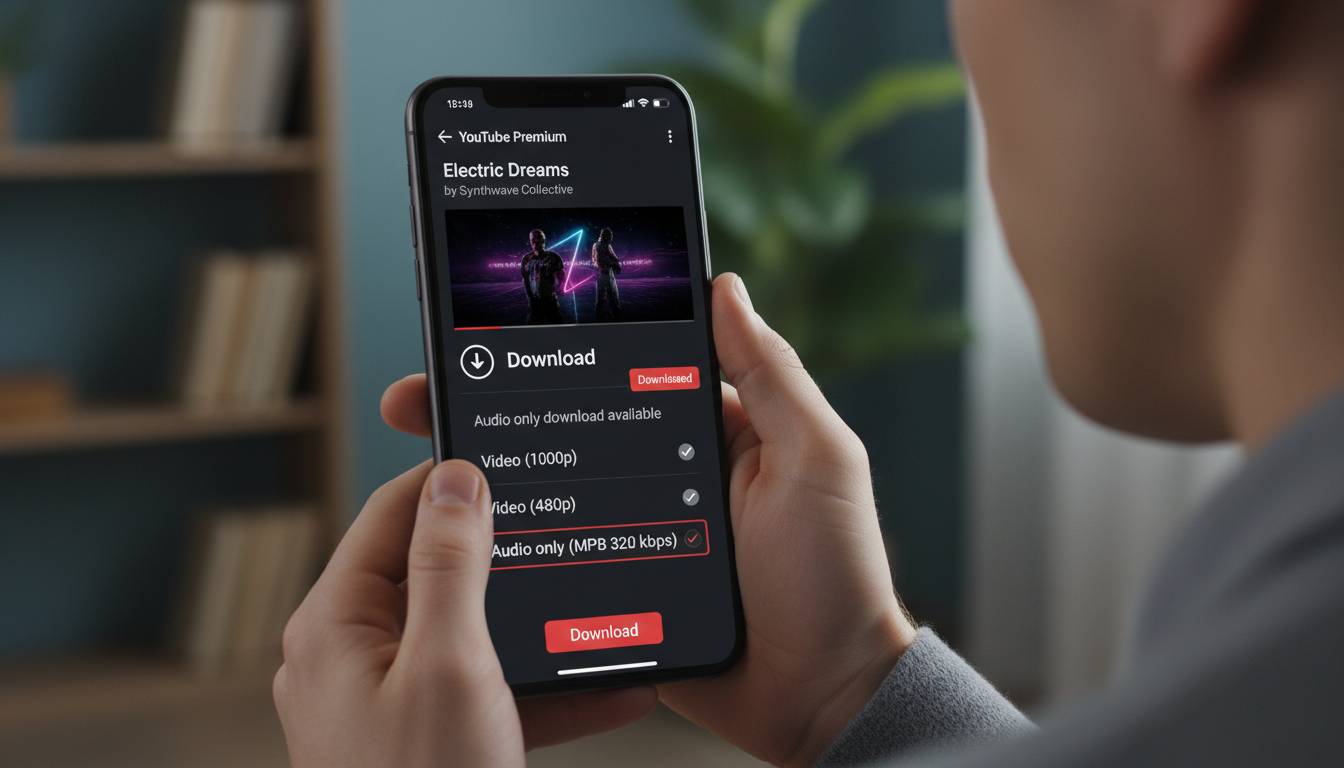
Converting YouTube videos to MP3 legally is possible through several legitimate methods, including YouTube Premium’s offline feature, purchasing music from authorized retailers, and using content licensed under Creative Commons. Understanding the distinction between legal and illegal methods is essential—not only to avoid violating YouTube’s Terms of Service but also to respect the intellectual property rights of content creators who rely on their work for income.
This comprehensive guide explores every legal avenue for obtaining audio from YouTube, explains why certain methods fall outside the law, and provides practical alternatives that support creators while giving you the flexibility to enjoy content offline.
Understanding YouTube’s Terms of Service and Copyright
YouTube’s Terms of Service are explicit about what users can and cannot do with platform content. Section 4B states that users agree not to “download any Content unless you see a ‘download’ or similar link displayed by YouTube on the Service for that Content.” This means that unless YouTube explicitly offers a download option—which is typically limited to your own uploads or certain Creative Commons content—extracting audio from videos violates the platform’s terms.
The reasoning behind this restriction ties directly to copyright law. When someone uploads a video to YouTube, they retain copyright ownership unless they’ve explicitly licensed it otherwise. The platform operates under licensing agreements that permit streaming but explicitly forbid unauthorized downloading or conversion. This isn’t merely a technical restriction; it’s a legal framework designed to protect creators’ rights and ensure they maintain control over how their work is distributed.
Copyright protection varies by jurisdiction, but most countries recognize that converting copyrighted works to different formats without permission constitutes a derivative work—an action that typically requires the copyright holder’s explicit authorization. Some regions offer limited exceptions for personal use, such as France’s private copying exception, but these don’t necessarily make unauthorized conversion legal on an international platform like YouTube.
“Respecting creator rights isn’t just about following rules—it’s about ensuring the sustainability of the entire creative ecosystem that makes platforms like YouTube possible.”
Understanding this legal landscape matters because even well-intentioned users can inadvertently cause harm. When you download content without authorization, you remove the creator’s ability to control distribution, potentially impacting their monetization and violating the agreement they made with YouTube when uploading.
YouTube Premium and Official Offline Features
The most straightforward legal method to access YouTube audio offline is through YouTube Premium, the platform’s subscription service. For approximately $13.99 per month in the United States, Premium subscribers can download videos for offline viewing directly through YouTube’s official app. However, there’s an important distinction: this feature saves video files, not standalone MP3 audio files.
The YouTube Music Premium subscription, which costs around $10.99 monthly, offers a different advantage. This service provides access to YouTube’s music library with the ability to download songs for offline listening. These downloads are stored as audio files within the app, though they’re encrypted and tied to your account. You cannot directly access these files as transferable MP3s, but the listening experience fulfills most offline audio needs.
For users whose primary goal is enjoying audio content without an internet connection, YouTube Music Premium represents the official legal pathway. The service grants access to millions of songs, official albums, and playlists—all downloadable for offline use. The audio quality options include standard (128kbps), high (256kbps), and in some regions, very high (320kbps) settings.
The limitation of these official features is clear: you cannot extract the audio as a separate file that you can transfer to other devices, use in your own videos, or convert to different formats. The files remain within YouTube’s ecosystem, accessible only through their apps. For many users, this restriction is acceptable given the convenience and legality of the method.
Creative Commons and Public Domain Content
Not all content on YouTube carries the same copyright restrictions. Creative Commons licenses provide legal frameworks where creators explicitly permit others to use their work under specified conditions. Similarly, content in the public domain—where copyright has expired or been forfeited—can be used freely.
When searching for downloadable YouTube content legally, look for videos marked with Creative Commons licenses. YouTube provides a CC BY license filter that allows you to search for content creators have specifically made available for reuse. Under a CC BY (Attribution) license, you can legally download and convert the audio, provided you credit the original creator as they request.
Public domain content, while less common on YouTube, includes works like government videos, classic films whose copyrights have expired, and content creators have explicitly released into the public domain. These materials can be downloaded and converted without restriction.
The practical approach involves checking each video’s license information. On YouTube, look below the video description for license details, or search for content specifically labeled as Creative Commons. Several educational channels and independent artists use these licenses to share their work freely, making them valuable resources for legal audio downloads.
Purchasing Music from Official Stores
When the goal is obtaining high-quality audio files legally, purchasing music directly from authorized retailers remains one of the most straightforward approaches. This method provides you with genuine MP3 files (typically 320kbps) or higher-quality formats, and your purchase directly compensates artists and rights holders.
Major digital music stores include iTunes (Apple Music), Amazon Music, Google Play Music (now integrated into YouTube Music), Bandcamp, and Beatport. These platforms offer individual song purchases and album downloads, with prices generally ranging from $0.99 to $1.29 per song and $9.99 to $15.99 per album. Many of these services provide MP3 files without DRM (Digital Rights Management), meaning you can transfer them to any device.
Bandcamp deserves special mention for its artist-friendly model. The platform allows artists to set their own pricing, and a significant portion of each purchase goes directly to the creator. Many artists host their music on YouTube for promotional purposes while selling full-quality downloads through Bandcamp, creating a legal pathway that supports their work.
The connection to YouTube content becomes clear when you consider that many artists upload preview or full versions of their music to YouTube as a promotional tool. Purchasing from official stores gives you the highest quality audio while ensuring creators receive proper compensation—an approach that maintains the integrity of the creative industry.
Why Illegal Downloading Harms Creators and Platform
Understanding the real-world impact of unauthorized downloading helps contextualize why legal methods matter. Content creators on YouTube often rely on multiple revenue streams, including ad revenue from views, channel memberships, Super Chat donations, and merchandise sales. When users download content instead of watching it on the platform, they circumvent these monetization mechanisms.
For small creators, the financial impact can be significant. A video with 100,000 views might generate anywhere from $200 to $2,000 in ad revenue, depending on audience demographics and niche. Each unauthorized download represents potential lost engagement and revenue. For creators building their livelihood on YouTube, this difference can affect whether they can continue producing content.
The platform itself also suffers from unauthorized downloading. YouTube invests heavily in content hosting, bandwidth, and infrastructure. When users extract content through unofficial means, they benefit from YouTube’s infrastructure while denying the platform the engagement metrics that justify continued investment in creator tools and features.
Beyond financial harm, unauthorized downloading removes the context creators worked to build. Videos often include introductions, commentary, visual elements, and connections to other content that enrich the experience. Downloading only the audio strips away this context and potentially misrepresents the creator’s intent.
Safe Practices for Audio Extraction
If you determine that specific content is legally available for extraction—whether due to Creative Commons licensing, your own uploads, or other permitted uses—several practices help ensure you remain within legal boundaries.
First, always verify the license before proceeding. Check the video description, look for Creative Commons badges, and when in doubt, contact the creator directly for permission. Many creators respond positively to polite requests for permission to use their work.
Second, use reputable software when converting. Legitimate conversion tools exist for legal use cases, though the market includes many questionable options. Stick to well-known software and avoid tools that explicitly market themselves for bypassing restrictions. The presence of such marketing often indicates the tool’s primary purpose violates terms of service.
Third, respect any attribution requirements. If you’re using Creative Commons content, provide credit as the license specifies. This typically includes the creator’s name, the video title, and a link to the original.
Finally, keep your use personal and non-commercial. Even with legal content, redistributing converted audio, using it in your own monetized content, or otherwise exploiting it commercially typically requires additional permissions beyond standard Creative Commons licenses.
Alternatives to YouTube MP3 Conversion
Beyond the methods already discussed, several alternatives fulfill different audio needs without requiring YouTube conversion.
Podcasts offer an excellent alternative for audio-only content. Many YouTubers also produce podcasts, available through Apple Podcasts, Spotify, and other platforms. These are specifically designed for audio consumption and often available for free download or streaming.
SoundCloud hosts millions of tracks from independent artists, many of which are available for free legal download under the platform’s own download feature (where artists enable it). This provides a direct legal pathway for audio files.
Archive.org maintains an extensive library of public domain and Creative Commons audio content, including music, speeches, and field recordings. The site explicitly supports free, legal downloading.
Libre.fm and Jamendo offer music released under Creative Commons licenses, providing legal alternatives for discovering and downloading independent music.
Direct artist websites often sell music or provide free downloads as promotional material. Purchasing directly ensures the highest percentage of your money reaches the creator.
For those seeking specific audio from YouTube that isn’t available elsewhere, the most respectful approach is often to stream it through YouTube Music or similar services rather than attempting conversion. This maintains the creator’s connection to their audience while providing the listening experience you seek.
Conclusion
Converting YouTube to MP3 legally requires understanding the platform’s terms of service, respecting copyright law, and utilizing the legitimate methods available. YouTube Premium and YouTube Music Premium offer the most reliable official pathways for offline audio, while Creative Commons and public domain content provide legal options for specific use cases. Purchasing music from authorized retailers remains the best approach for high-quality audio you can truly own.
The methods outlined in this guide reflect genuine legal options that balance user needs with creator rights. While the temptation to use unofficial conversion tools exists, the potential consequences—ranging from account termination to legal liability—far outweigh the convenience. By choosing legal methods, you support the creative ecosystem that makes platforms like YouTube possible while protecting yourself from unnecessary risk.
The landscape of digital audio continues evolving, with legitimate services becoming increasingly convenient and affordable. Taking time to use legal methods today helps ensure these options remain available tomorrow.
FAQs
Is it legal to use free YouTube to MP3 converter websites?
Most free converter websites operate in legal gray areas or clearly violate YouTube’s Terms of Service. Even if the content you’re converting is yours, using third-party tools to extract audio typically breaches the platform’s restrictions. Stick to official methods like YouTube Premium or legal purchase options.
Can I convert YouTube videos to MP3 if I own the content?
If you uploaded the video yourself and own all rights to it, you generally have more flexibility. However, even in this case, using automated conversion tools may still violate YouTube’s terms. The safest approach is downloading your own content through YouTube Studio or re-uploading files you’ve maintained locally.
Does the EU’s private copying exception make YouTube conversion legal?
The EU’s private copying exception allows personal use copying in some member states, but this doesn’t override YouTube’s Terms of Service. The exception typically applies to lawfully obtained content, and streaming from YouTube doesn’t constitute lawful acquisition for copying purposes. Additionally, YouTube is a global platform, so territorial exceptions don’t apply uniformly.
What happens if YouTube catches me using unauthorized converters?
Consequences can include video removal, channel strikes, account suspension, or permanent termination. In extreme cases involving copyrighted content, copyright holders may pursue additional legal action. YouTube actively monitors for violations and employs automated systems to detect unauthorized downloading.
Are there any completely free legal methods to get YouTube audio offline?
YouTube’s ad-supported model doesn’t offer free offline features, but YouTube Music provides a 30-day free trial for new users. Additionally, YouTube’s “Listen” feature (accessible by swiping away from the video player on mobile) plays audio with the screen off, providing a battery-efficient alternative to full video playback.
Can I use converted YouTube audio in my own videos?
Using audio extracted from YouTube in your own content, even if you converted it yourself, typically violates copyright unless you have the creator’s explicit permission. The extracted audio remains copyrighted content, and adding your own visuals or mixing it doesn’t create new rights. Purchase licensed music or use royalty-free audio libraries instead.
















Leave a comment