

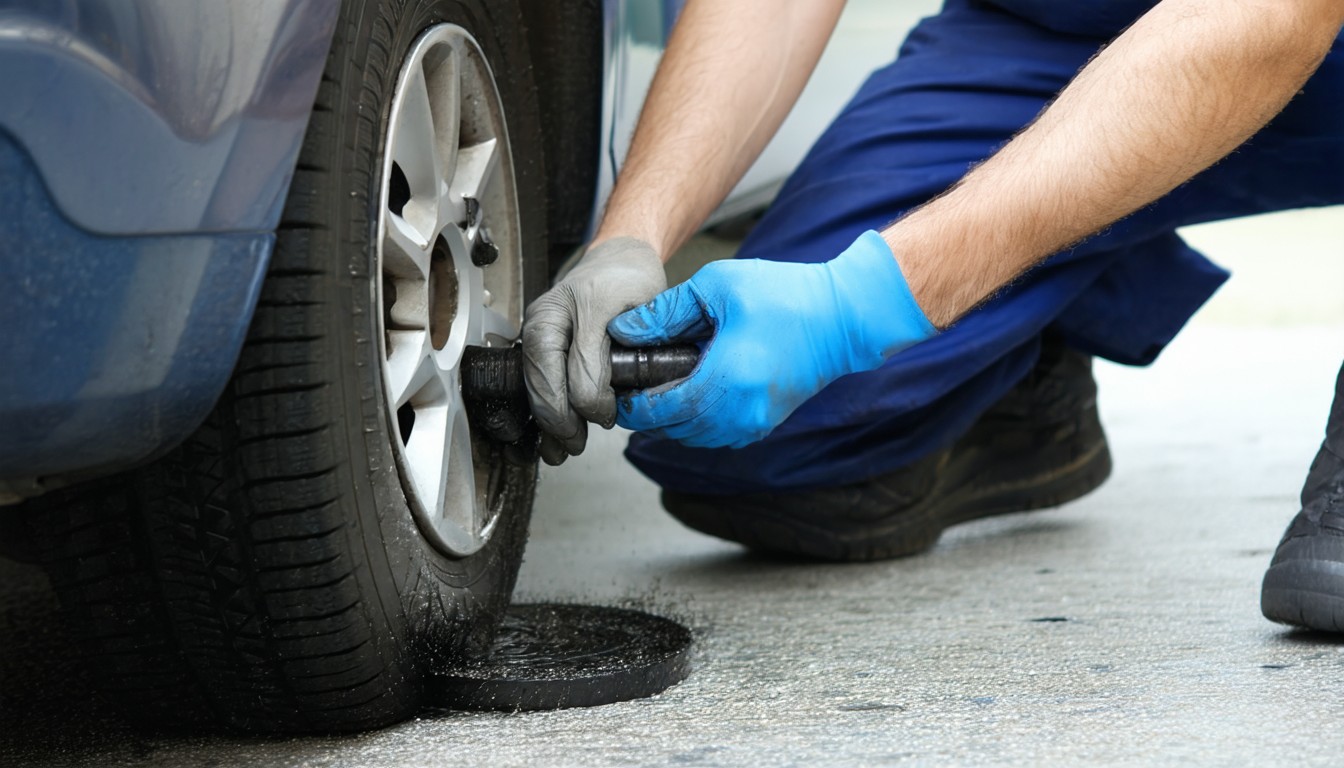
Changing a tire is one of those essential life skills that can transform a stressful roadside emergency into a manageable task. While modern vehicles and roadside assistance have made blowouts less of a crisis, knowing how to change a tire remains invaluable—especially in situations where help may not be immediately available.
In this in-depth guide, you’ll learn everything you need to safely and efficiently change a tire, no matter your experience level. Whether you’re tackling a flat tire for the first time or brushing up on the basics, follow along for a practical, easy-to-understand walkthrough, complete with expert tips, data comparisons, and essential safety knowledge.
Why Everyone Should Know How to Change a Tire
Even with the prevalence of GPS and mobile phones, situations still arise where knowing how to replace a flat tire yourself is critical. According to AAA, over 30 million flat tires occur annually in the U.S. alone, and their 2023 data reveals that 40% of Americans do not know how to change a tire without assistance.
“It’s not just about saving time—knowing how to change a tire can be the difference between being stranded for hours and getting back on the road in minutes,” says auto safety expert Lauren Fix.
Learning this skill builds self-reliance, enhances travel safety, and provides peace of mind, especially when traveling in remote areas without cell coverage.
Essential Tools Needed for Changing a Tire
Before you face a flat tire on the roadside, it’s crucial to ensure your vehicle has the right tools on hand. Most cars come equipped with the basics, but it’s wise to double-check and supplement where necessary.
Must-Have Tools Checklist
| Tool | Included in Most Cars | Purpose |
|———————|———————-|———————————–|
| Spare Tire (Inflated) | ✓ | Replacement for flat tire |
| Car Jack | ✓ | Lifts car for tire removal |
| Lug Wrench | ✓ | Loosens/tightens lug nuts |
| Wheel Wedge/Chock | | Prevents rolling |
| Flashlight | | Visibility at night |
| Reflective Triangles/Flare | | Increases roadside safety |
| Tire Pressure Gauge | | Checks spare tire pressure |
| Gloves | | Keeps hands clean/safe |
While some items are standard, having extras such as gloves, flashlights, or reflective vests can enhance your safety and comfort.
Step-by-Step Guide to Changing a Tire
Let’s walk through the essential process. Each step ensures your safety and the efficiency of your tire change.
H3: 1. Pull Over to a Safe Location
Safety first. As soon as you realize you have a flat, reduce speed gradually and seek a safe, level spot away from traffic—ideally a shoulder, parking lot, or rest area. Turn on your hazard lights to alert drivers.
H3: 2. Secure the Vehicle
Apply your parking brake. Place wheel wedges or large rocks against the tires opposite the flat to prevent the car from rolling.
H3: 3. Gather Your Tools
Retrieve the spare tire, jack, and lug wrench from the trunk—typically underneath a panel. If you’re on the roadside at night, use your flashlight and position your warning triangles at least 10–20 feet behind your car.
H3: 4. Loosen the Lug Nuts
Before jacking up the car, loosen the lug nuts slightly using the wrench. Expect resistance; you may need to use your foot for extra leverage. Don’t remove them completely yet.
H3: 5. Jack Up the Car
Identify the correct jacking point nearest the flat tire (usually marked on your vehicle’s frame). Place the jack and begin raising the vehicle until the flat tire is about six inches off the ground.
H3: 6. Remove the Flat Tire
Unscrew the loosened lug nuts fully. Set them in a safe spot. Carefully pull the wheel straight toward you.
H3: 7. Mount the Spare Tire
Align the holes on the spare with the bolts and push the tire onto the hub. Replace the lug nuts and hand-tighten in a star pattern.
H3: 8. Lower the Vehicle and Tighten Lug Nuts
Lower the jack slowly until the tire touches the ground. Then, tighten the lug nuts firmly in a star pattern to ensure even pressure.
H3: 9. Stow Equipment and Check the Spare
Replace your tools and flat tire in the trunk. Double-check that the spare’s pressure is at the recommended PSI before driving off. Remember: most “donut” spares are temporary—limit speed to 50 mph and get a full-size replacement as soon as possible.
Full-Size Spare vs. Temporary “Donut”: What’s the Difference?
Understanding your spare can help you plan effectively after a tire change. Here’s a comparison:
| Feature | Full-Size Spare | Temporary “Donut” Spare |
|—————|———————–|——————————|
| Size | Matches regular tire | Smaller, narrower |
| Driving Range | Unlimited (if in good condition) | 50–70 miles |
| Speed Limit | None (normal speed) | Max 50 mph |
| Usable Life | Same as regular tire | Short-term use |
| Storage | Takes up more space | Compact, fits most trunks |
“Donut” spares are lighter and space-saving, but not suitable for long distances or high speeds.
Safety Precautions: Reducing Risks During a Tire Change
Changing a tire on the roadside can expose you to passing vehicles, challenging weather, and unexpected hazards. Follow these tips for maximum safety:
- Always pull as far off the road as possible, away from traffic.
- Never position any body part under the vehicle while it’s jacked up.
- Use hazard lights, triangles, or flares as early warning for oncoming drivers.
- Check your spare regularly for proper inflation.
“Nearly 13% of all roadside fatalities involve motorists working outside their vehicles,” highlights the National Highway Traffic Safety Administration. Taking these extra steps could save your life.
Expert Tips for a Hassle-Free Tire Change
Even with the basics down, small tricks can make a big difference:
- Practice in your driveway before you need the skill on the side of a busy road.
- Keep a pair of work gloves and wipes in your trunk.
- Check expiration dates on emergency flares and spare tire conditions at least twice annually.
Car care clinics often include tire-changing tutorials; consider attending one for hands-on experience.
What to Do After Changing Your Tire
Once the spare is installed and you’re safely back on the road, your work isn’t over yet:
- Drive directly to a repair shop—temporary spares are not built for long distances.
- Inspect your flat tire. In many cases, minor punctures can be repaired instead of replaced, saving you money and resources.
- Replace or repair your spare if you’ve used it, so you’re prepared for future emergencies.
Remember, regular tire maintenance—checking tread wear, air pressure, and alignment—can help you avoid flats altogether.
Conclusion: Be Ready, Stay Confident
Changing a tire doesn’t require advanced skills or special strength—just preparation, caution, and a bit of practice. Equip your car with the right tools, review this step-by-step process, and you’ll handle flats quickly and safely, keeping your journeys moving forward.
FAQs
Q1: How long does it take to change a tire for a beginner?
For most beginners, changing a tire takes about 20–30 minutes. With practice, the process becomes much faster and more efficient.
Q2: Can I use a donut spare for long trips?
No, temporary donut spares are meant for short distances—typically 50–70 miles—and speeds under 50 mph. Replace it with a full-size tire as soon as possible.
Q3: What should I do if I can’t loosen the lug nuts?
If lug nuts are stuck, try applying extra pressure with your foot or use a longer wrench for more leverage. If they’re rusted, a roadside assistance service may be necessary.
Q4: How often should I check my spare tire?
Check spare tire pressure at least every 3–6 months to ensure it’s inflated and ready when needed.
Q5: Is it safe to change a tire on a highway?
Only if absolutely necessary—and always pull as far from traffic as possible, use hazards, and set up warning triangles. If the area is unsafe, call for roadside assistance.

















Leave a comment