

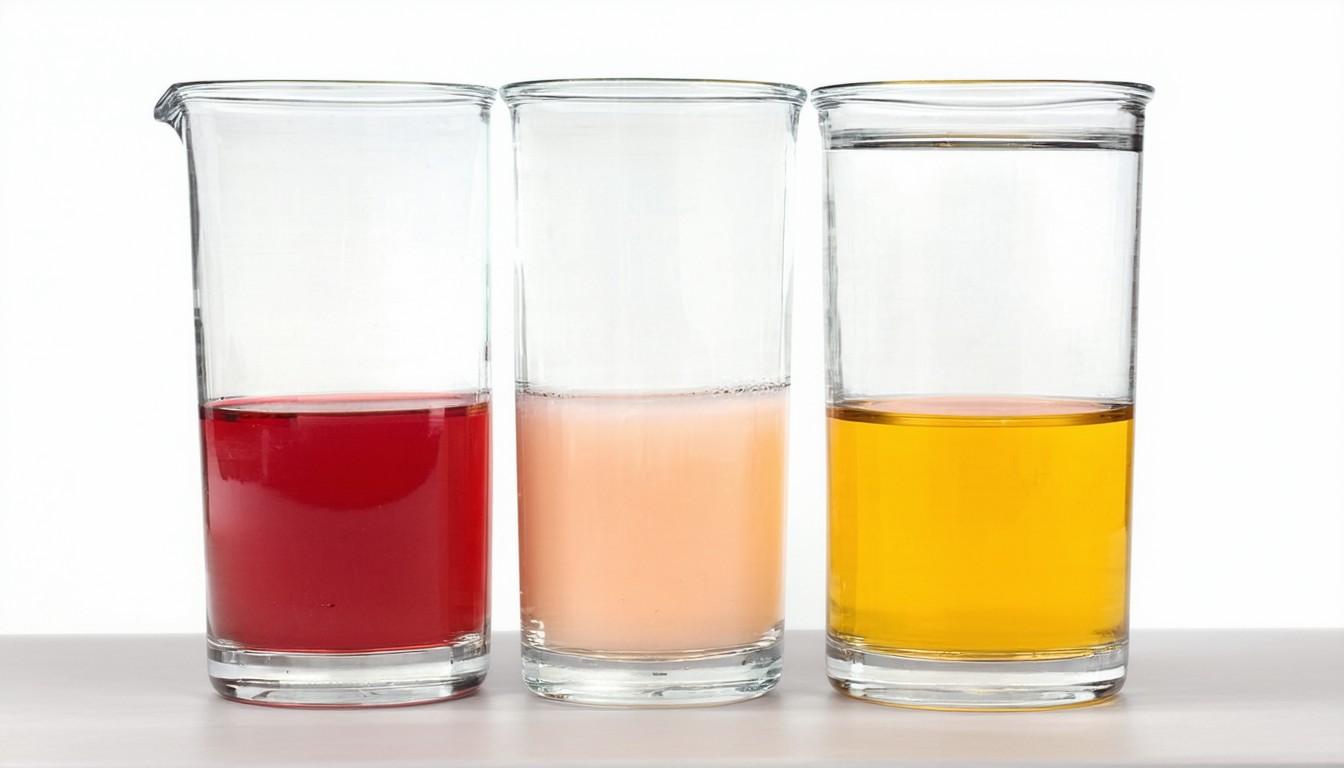
For chefs, bartenders, scientists, and everyday individuals alike, accurately converting between fluid ounces and gallons can make the difference between a successful outcome and a costly error. While it may seem straightforward, the answer to “how many oz in a gallon” depends on context, region, and the system of measurement in use. From recipes in American kitchens to industrial applications worldwide, understanding fluid volume conversions is vital.
According to the U.S. National Institute of Standards and Technology, even seemingly minor mistakes in measurement can lead to waste, financial loss, or operational setbacks in both commercial and domestic settings. Therefore, knowing these conversions is not merely academic—it’s fundamentally practical.
U.S. vs. UK: Fluid Ounces and Gallons Defined
Before calculating fluid ounces in a gallon, it’s essential to determine which measurement system is relevant. The two most common systems are the U.S. customary system and the British imperial system, and each defines fluid ounces and gallons differently.
U.S. Customary System
In the United States, a fluid ounce is formally defined as 1/128th of a U.S. gallon. This leads to the widely cited conversion:
- 1 U.S. gallon = 128 U.S. fluid ounces
- 1 U.S. fluid ounce = ~0.00781 U.S. gallons
U.S. fluid ounces are used for both liquid and dry measurements, but with slightly different actual volumes. For most liquid conversions, however, the 128-ounce rule holds true.
British Imperial System
Across the UK and many Commonwealth countries, the imperial system is standard. Here, the conversions are different:
- 1 imperial gallon = 160 imperial fluid ounces
- 1 imperial fluid ounce = 1/160 of an imperial gallon
The difference stems from how each system historically defined both the ounce and the gallon.
“It’s crucial to specify whether you’re working with U.S. or imperial units, as there’s a marked difference—enough to noticeably affect recipes or laboratory results,” explains Dr. Karen Wilson, a chemist specializing in standards and metrology.
Why Are These Systems Different? A Brief Historical Context
Measurement systems evolved along different paths in North America and the UK during the 18th and 19th centuries, leading to significant discrepancies in liquid volume units. The U.S. gallon is based on the wine gallon (about 3.785 liters), while the imperial gallon evolved from the British ale gallon (about 4.546 liters). This divergence, though subtle at first glance, adds a layer of complexity for anyone working across borders.
In practice, this means a gallon of milk in London contains about 20% more liquid than a gallon of milk in New York. For industries that operate globally, or for travelers planning ingredients abroad, the distinctions aren’t just academic—they ward off confusion and mistakes.
Common Scenarios: When Knowing Ounces-to-Gallons Matters
Whether in professional kitchens, manufacturing, or personal life, converting fluid ounces to gallons (and vice versa) is essential. Here are some real-world examples:
- Restaurants: Scaling up recipes often requires shifting from ounces (by cup or bottle) to gallons (in bulk).
- Mixology: Bartenders frequently translate between larger containers and cocktail shakers.
- Science & Healthcare: Laboratory chemicals or intravenous fluids are measured with precision, where small errors can have outsized consequences.
- Home Improvement: Many paint and cleaning supply labels list both ounces and gallons—accurate conversion prevents waste.
Beyond daily use, regulatory compliance and international trade often mandate precise volume declarations. In trade, discrepancies can lead to rejected shipments or hefty penalties.
Conversion Tables and Quick Reference Guides
For those who need reliable, at-a-glance answers, concise tables can save time and confusion.
Below is a quick reference for both major systems:
U.S. Customary System
| Gallons | U.S. Fluid Ounces |
|———|——————-|
| 1 | 128 |
| 0.5 | 64 |
| 0.25 | 32 |
| 2 | 256 |
Imperial System
| Gallons | Imperial Fluid Ounces |
|———|———————-|
| 1 | 160 |
| 0.5 | 80 |
| 0.25 | 40 |
| 2 | 320 |
Simple Formula for Conversions
- To convert gallons to ounces: multiply by 128 (U.S.) or 160 (Imperial)
- To convert ounces to gallons: divide by 128 (U.S.) or 160 (Imperial)
Practical Tips and Tricks for Seamless Conversion
For professionals and home enthusiasts alike, accuracy and efficiency are crucial. Here are tips to streamline the process:
- Specify the Measurement System: Before converting, confirm whether you need U.S. or imperial values.
- Use Digital Tools: Calculator apps and online converters minimize errors and save time.
- Double-Check Large Batch Conversions: For bulk recipes or industrial quantities, a second check or peer review is wise.
- Label Clearly: If storing or shipping liquids, always label containers with units to avoid confusion.
In institutional settings, systematic errors have been known to lead to batch recalls or rework. An overestimation of just a few gallons in pharmaceutical manufacturing, for example, may result in thousands of dollars in lost product. Similarly, a bartender misjudging batch cocktails could end up with excess waste—hitting the bottom line.
Globalization and the Push for Standardization
With international travel, trade, and digital communication, the call for harmonized measurement standards has become louder. While progress remains incremental, global industries often designate a “primary” unit in contracts or technical documentation to minimize costly misunderstandings.
For example, many beverage and food manufacturers print labels in both ounces and milliliters, using universally recognized abbreviations like “fl oz” (for fluid ounces). International standards organizations and governments publish conversion guides to ease cross-border commerce and ensure consumer safety.
“Industry-wide, the adoption of dual labeling—ounces and liters, for instance—helps bridge the gap between systems while empowering consumers and professionals alike,” notes Sandra Bates, a logistics consultant.
Conclusion: Mastering Fluid Ounces to Gallon Conversions
Knowing how many ounces are in a gallon is more than trivia—it’s an indispensable skill in both professional and personal life. Always clarify which measurement system you’re using, consult reliable tables or digital tools when in doubt, and label units consistently. A single correct conversion can save time, money, and even lives in specialized fields.
For smooth global operations, dual-labeling and education around measurement systems continue to be best practices. Mastery here is not just about numbers—it’s also about attention to context and detail.
FAQs
How many fluid ounces are in a U.S. gallon?
There are 128 U.S. fluid ounces in one U.S. gallon. This is the standard conversion used in the United States for liquids.
How many fluid ounces are in an imperial (UK) gallon?
An imperial gallon contains 160 imperial fluid ounces. This measurement is common in the UK and many Commonwealth countries.
Why are U.S. and imperial gallons different sizes?
U.S. and imperial gallons are based on different historical measurements, leading to the U.S. gallon being about 20% smaller than the imperial gallon. The U.S. gallon is based on the wine gallon, while the imperial gallon was standardized based on the British ale gallon.
How can I easily convert ounces to gallons and vice versa?
Divide the number of ounces by 128 for U.S. measurements or 160 for imperial. For converting gallons to ounces, multiply by the same figures.
Are dry and liquid ounces measured the same way?
No, dry and liquid ounce measurements differ slightly due to how they measure volume and weight. For gallon conversions involving liquids, use fluid ounces.
Is it important to specify which measurement system I’m using?
Absolutely—confusing U.S. and imperial units can lead to significant mistakes in recipes, industrial processes, or trade. Always clarify which system applies.















Leave a comment