

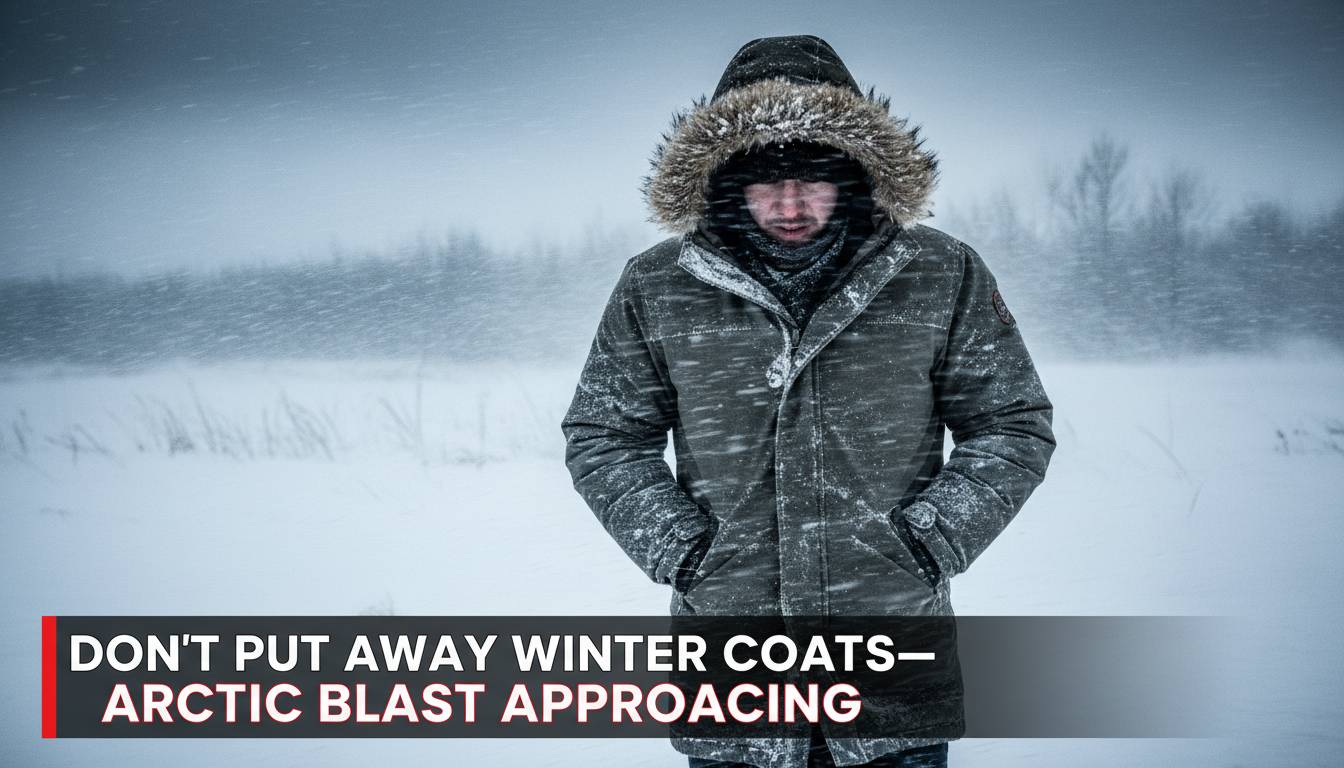
Arctic blasts are rapid intrusions of extremely cold air that originate from the Arctic region, typically from northern Canada or Siberia. These weather events occur when large masses of frigid polar air become unstablized and spill southward across the continental United States. The phenomenon happens when the polar vortex—a band of cold air that normally circles the Arctic—weakens or becomes distorted, allowing cold air to escape its usual boundaries.
Atmospheric scientists say these events are most common during winter months, particularly from December through February. The cold air is characterized by its depth and persistence, often bringing temperature drops of 20 to 40 degrees Fahrenheit within a 24-hour period. When an arctic blast arrives, it typically brings clear skies and dry air, but the combination of low temperatures and wind creates dangerous wind chill conditions that can cause frostbite on exposed skin within minutes.
The current system developing over the northern tier of the United States follows a pattern meteorologists have observed with increasing frequency in recent years. Climate data shows that while overall winter temperatures have moderated in some regions, the intensity of individual cold events has not diminished. This paradox means that even in warming climates, arctic blasts remain capable of delivering severe winter weather that demands respect and preparation.
The arctic blast is expected to begin its southward movement today, with the coldest conditions arriving in the northern Plains and Upper Midwest by tomorrow morning. The cold front will then propagate eastward, reaching the Great Lakes region and Ohio Valley by late week. Forecast models indicate the air mass will continue to expand southward, potentially affecting states as far south as Texas and the Gulf Coast by the weekend.
The initial wave of cold air will bring temperatures 15 to 25 degrees below seasonal averages across the northern United States. High temperatures in Minneapolis, Chicago, and Denver may struggle to reach double digits above zero Fahrenheit. Overnight lows in these areas could fall to 15 below zero or colder, creating dangerous conditions for anyone without adequate shelter or heating.
As the system pushes further south, residents in the Tennessee Valley, parts of the Southeast, and the southern Plains should anticipate temperatures 10 to 20 degrees below normal for this time of year. While these regions typically experience milder winter weather, the incoming arctic blast will bring conditions that could strain heating systems and create hazards for populations unaccustomed to such cold. The Florida Panhandle and coastal areas of the Gulf states may see temperatures dip into the 20s and 30s, which, while not extreme by northern standards, represent significant cold for these areas.
Meteorologists are forecasting this arctic blast will prove particularly persistent, with cold temperatures likely lasting three to five days in most affected regions. The duration of such events varies considerably, but the current prediction suggests this cold snap will outlast typical passing cold fronts. The prolonged nature of the event will increase the stress on infrastructure, elevate heating demands, and extend the period of risk for cold-related illnesses.
Temperature projections indicate the hardest-hit areas will experience high temperatures remaining below freezing for multiple consecutive days. In the northern Plains, some models suggest overnight lows could approach 25 to 30 degrees below zero in rural areas away from urban heat islands. Wind chill values during this period may drop to 40 below zero or colder in exposed areas, creating conditions where exposed skin can develop frostbite in as little as five to ten minutes.
The southern extent of the cold air remains somewhat uncertain, as the exact trajectory of the arctic air mass depends on the position of the jet stream. Current guidance suggests the boundary between the arctic air and warmer conditions will settle somewhere near the Gulf Coast, creating a sharp temperature gradient across the country. This setup could also generate significant precipitation along the boundary, potentially bringing snow or ice to areas that rarely see winter precipitation.
Health officials are reminding residents in affected areas to take precautions against the dangerously cold temperatures. The most important step is to dress in layers, covering all exposed skin and ensuring that extremities are adequately protected. Wearing a hat, gloves, and scarf is essential, as these body parts are particularly vulnerable to frostbite. Multiple layers of loose-fitting clothing provide better insulation than a single thick garment, as the air between layers serves as additional insulation.
Homeowners should check their heating systems and ensure they have adequate fuel or power to last through extended cold periods. Those who rely on electric heat should consider having backup heating options available, as power outages often accompany severe winter storms. Residents should also take steps to prevent pipe freezing by insulating exposed pipes and allowing faucets to drip slightly in extremely cold conditions.
For those who must venture outdoors, planning is essential. Vehicles should be equipped with emergency kits including blankets, flashlights, and non-perishable food. Drivers should inform others of their travel plans and expected arrival times. It is crucial to avoid overexertion while shoveling snow or performing other outdoor tasks, as the combination of physical strain and extreme cold places significant stress on the cardiovascular system.
Checking on elderly neighbors and vulnerable populations becomes especially important during these events. Social isolation can prove deadly during extreme cold, as those living alone may not have access to adequate heat or assistance. Community organizations and local governments often open warming centers during severe cold events, and residents should take advantage of these resources if their home heating is inadequate.
Meteorologists note this arctic blast fits within the expected variability of North American winter weather. While climate change has influenced global temperature patterns, the fundamental dynamics that produce arctic blasts remain largely unchanged. Dr. Jennifer Francis, a climate scientist at the Woods Hole Research Center, has studied the relationship between polar vortex behavior and extreme cold events. Her research indicates warming temperatures in the Arctic may actually increase the frequency of such events by destabilizing the polar vortex and making it more prone to wobbling.
The upcoming cold snap does not contradict broader climate trends but rather represents the natural variability that characterizes North American winters. Historical data shows significant arctic blasts can occur even in warmer-than-average years, and the absence of such events in recent winters in some regions does not indicate a permanent shift in weather patterns. Winter is not over, and residents should remain prepared for additional cold events through the traditional end of the season in March.
Agricultural interests are also monitoring the situation closely. While brief cold snaps generally pose limited threat to properly prepared crops, longer-duration events can damage sensitive plants and trees that have begun to break dormancy. Some crops, particularly fruit trees, require a certain amount of winter cold to produce properly in the spring, so moderate cold is actually beneficial. However, the extreme temperatures predicted for this event may exceed the tolerance of some varieties, particularly in marginal growing areas.
The incoming arctic blast will test infrastructure across multiple sectors. Electrical grids in the northern United States will face elevated demand as heating needs increase, and grid operators are preparing for potential peak loads that could approach winter maxima. Natural gas supplies have been adequate this season, but prolonged cold can strain distribution systems and lead to price spikes in energy markets.
Road maintenance departments in affected states are positioning salt and sand supplies for ice treatment. Bridge surfaces and overpasses typically freeze before road surfaces, creating particular hazards for unwary drivers. Municipal authorities are urging residents to avoid unnecessary travel during the coldest periods and to exercise extreme caution when driving becomes necessary.
The economic impacts of arctic blasts extend beyond immediate emergency response costs. Retail businesses that rely on foot traffic may see reduced customer visits during severe cold, while heating fuel suppliers experience surge demand. Conversely, businesses that serve cold-weather needs, including heating equipment retailers and winter apparel sellers, often see increased sales during these events. The net economic effect varies depending on the duration and severity of the cold spell.
As this arctic blast makes its way across the country, meteorologists are already monitoring conditions that could bring additional cold air into the United States in the coming weeks. The atmospheric patterns that produce arctic blasts tend to recur throughout the winter, and while not every cold event reaches the intensity of the current forecast, residents should remain vigilant about winter weather preparedness.
Long-term climate projections suggest that while overall winter temperatures may continue to moderate in many regions, the risk of extreme cold events persists. The relationship between climate change and arctic blasts remains an active area of research, with scientists working to understand how changing conditions in the Arctic and elsewhere will influence winter weather patterns across North America.
For now, the immediate focus remains on preparing for the approaching cold snap. Taking sensible precautions now can minimize risks and ensure that communities weather the storm safely. The old advice from grandparents and great-grandparents—that winter coats should remain accessible until true spring arrives—continues to prove relevant in an era of advanced forecasting and climate science.
This arctic blast will affect millions of people across multiple regions with dangerously low temperatures, extended duration, and widespread impact. Understanding the nature of these events, taking appropriate safety precautions, and staying informed about changing conditions will help communities navigate this weather challenge successfully.
The cold temperatures will eventually give way to milder conditions, but the approach of spring does not negate the need for winter preparedness. Multiple cold events remain possible throughout the remainder of the season, and the habits developed during this arctic blast will serve residents well in future winter weather situations. Staying informed, remaining prepared, and looking out for vulnerable neighbors will ensure communities emerge from this cold snap safely and ready for whatever weather follows.













Leave a comment