

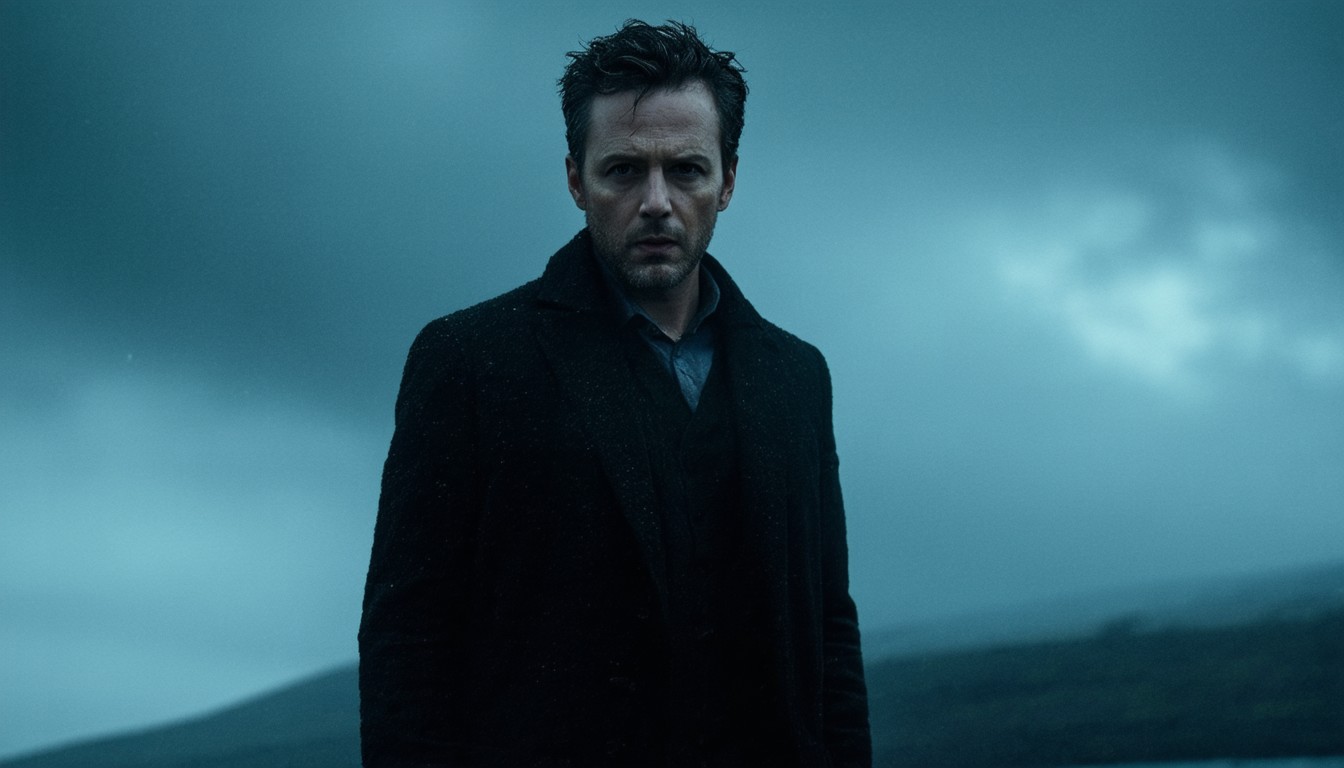
Since its premiere, “Dark Winds” has captivated audiences with a gripping blend of noir crime, psychological tension, and a rare, authentic portrayal of Navajo culture. The show’s critical success owes much to the nuanced writing and atmospheric landscapes, but at its heart lies a cast whose performances are as complex and layered as the New Mexico desert itself. Drawing from Tony Hillerman’s beloved Leaphorn & Chee series, “Dark Winds” offers viewers not only an engrossing thriller but also a powerful study in character, representation, and storytelling.
The casting of “Dark Winds” is particularly noteworthy for its prioritization of Indigenous actors in leading roles—a move seldom seen in mainstream television. In an era demanding greater representation and authenticity, the show stands as a testament to how casting can shape both narrative and cultural impact.
Zahn McClarnon as Joe Leaphorn: A Defining Performance
At the center of “Dark Winds” is Zahn McClarnon, who inhabits the role of Lieutenant Joe Leaphorn with stoic depth and emotional resonance. McClarnon, of Lakota heritage, has steadily built a reputation in Hollywood through credits like “Westworld,” “Fargo,” and “Longmire.” With “Dark Winds,” he leads with quiet authority, grounding the series in authenticity.
Leaphorn is a veteran Navajo police officer, navigating not only the intricacies of complex investigations but also the interplay between traditional beliefs and modern law enforcement. McClarnon’s nuanced approach reframes the detective archetype:
“Zahn McClarnon delivers a performance that is as introspective as it is commanding—elevating Leaphorn beyond genre conventions into the realm of modern myth.”
This performance resonates with audiences and critics alike, with many pointing to McClarnon’s ability to channel both vulnerability and resolve.
Kiowa Gordon as Jim Chee: Layered Portrayal of Identity and Justice
Counterbalancing Leaphorn is Kiowa Gordon, who brings fresh energy and subtle unease to the role of Jim Chee. Gordon, himself of Hualapai descent, rose to prominence with “The Twilight Saga” and later appeared in “The Red Road.” As Chee, he embodies a young FBI agent torn between cultural roots and professional ambitions.
Chee’s internal conflict—straddling the worlds of his Navajo upbringing and the outside forces of federal law enforcement—mirrors broader themes of identity and community compromise. Gordon’s portrayal adds dimension to the narrative, with his character often serving as a bridge between the audience and the nuances of Navajo life.
The Importance of Indigenous Representation
“Dark Winds” exemplifies the tangible impact of prioritizing Indigenous actors for Indigenous stories. According to a 2021 study from the University of California, Los Angeles, Native American and Indigenous people made up less than 0.6% of top-billed TV series regulars in the previous decade. The show’s casting choices signal an industry shift toward more inclusive and representative storytelling.
Jessica Matten as Bernadette Manuelito: A Breakout Role
Jessica Matten, a Canadian Indigenous actress, delivers a standout performance as Officer Bernadette Manuelito. Independent, determined, and deeply connected to her community, Manuelito challenges both patriarchal and outsider expectations. Matten, known for her work in “Frontier” and “Tribal,” provides an emotional anchor for the show’s exploration of Navajo womanhood.
Her chemistry with both McClarnon and Gordon is palpable, infusing the narrative with moments of warmth amid the show’s darker plotlines. Matten’s commitment to authenticity extends off-screen too; she’s an outspoken advocate for Indigenous representation in film and television.
Supporting Cast: Amplifying the Series’ Depth
Beyond its leads, “Dark Winds” boasts a supporting cast that richly populates the world of the series. Notable figures include:
- Noah Emmerich as Special Agent Whitover, a seasoned, enigmatic FBI presence whose motives often clash with tribal priorities.
- Deanna Allison as Emma Leaphorn, Joe’s wife, whose quiet strength and warmth counterbalance the story’s tension.
- Rainn Wilson as Devoted Dan, whose cameo introduces a jarring, sometimes darkly comic element.
Each supporting character adds texture, enhancing the realism and depth of the series. The careful interplay between local Navajo characters and outsiders underscores the show’s central themes of belonging and intrusion.
Real-World Resonance and Industry Context
“Dark Winds” premiered during a period of renewed scrutiny over Hollywood’s approach to Indigenous stories. High-profile projects like “Reservation Dogs” and the casting of Indigenous actors in “Prey” (2022) signal a broader industry recognition that authentic casting is more than a trend—it’s a necessity for genuine storytelling.
Showrunner Chris Eyre (a Cheyenne and Arapaho filmmaker) and executive producers Robert Redford and George R.R. Martin have emphasized their commitment to integrity in adaptation and casting. Their vision has resonated powerfully, as seen in the show’s positive reviews and strong fan engagement on platforms like Rotten Tomatoes and Metacritic.
The Dynamics of Ensemble Storytelling in Modern Crime Dramas
“Dark Winds” joins a growing roster of crime dramas that leverage ensemble casts for narrative complexity. Like “True Detective” or “Mare of Easttown,” the show uses its rich tapestry of characters to deepen its storytelling and invite broader social commentary.
However, where many series rely on familiar archetypes, “Dark Winds” stands apart in its setting and cultural specificity. The show’s use of Navajo language, rituals, and worldview is not background color but central to both plot and character development.
Recognizing Barriers and Breakthroughs
The success of “Dark Winds” also lays bare the historical scarcity of opportunities for Indigenous actors in leading or multidimensional roles. Behind-the-scenes interviews reveal the cast’s awareness that their work is part of a larger movement for visibility and respect.
“Indigenous-led storytelling isn’t just about representation—it’s about reclaiming narrative agency and bringing authenticity to the forefront,” says showrunner Chris Eyre.
Audience Reception and Cultural Impact
Viewer response to “Dark Winds” has been enthusiastic, with high ratings noted across streaming platforms and social media. Many Navajo and broader Indigenous viewers have commented on the rare pleasure of seeing their communities, landscapes, and languages on mainstream television. Critics, too, praise the cast’s chemistry and the show’s refusal to flatten cultural specificity for mass appeal.
In interviews, cast members recount how fan feedback—particularly from Navajo youth—reinforces the importance of seeing strong, relatable characters who share their heritage.
Conclusion: Trailblazing Talent and the Future of Representation
“Dark Winds” is a watershed moment for crime drama, distinguished as much by its powerful narrative as by its exceptional cast. The commitment to Indigenous representation, nuanced performances, and culturally grounded storytelling has set a new standard for television. As networks and streaming services seek the next breakout hit, the resonance of “Dark Winds” suggests that audiences are hungry for stories— and a cast—that reflect a broader, truer spectrum of experience.
The show’s ensemble, led by Zahn McClarnon, Kiowa Gordon, and Jessica Matten, not only elevates Hillerman’s tales but also carves out a new path for Indigenous actors and the roles they deserve.
FAQs
Who are the main actors in the “Dark Winds” cast?
The primary cast features Zahn McClarnon as Joe Leaphorn, Kiowa Gordon as Jim Chee, and Jessica Matten as Bernadette Manuelito. Supporting roles are played by Noah Emmerich, Deanna Allison, and Rainn Wilson.
Is “Dark Winds” based on real events or a novel?
“Dark Winds” is adapted from Tony Hillerman’s popular Leaphorn & Chee novel series, which blends fictional investigations with real aspects of Navajo culture and life.
Why is Indigenous representation in “Dark Winds” considered groundbreaking?
The show is one of the few major television crime thrillers with a predominantly Indigenous cast and creative team, prioritizing authenticity and accurate cultural portrayal.
How have audiences and critics responded to the cast’s performances?
The ensemble cast has received broad acclaim for both individual performances and collective chemistry, with praise for authenticity and depth in their portrayals.
What roles do Zahn McClarnon and Jessica Matten play in the series?
Zahn McClarnon plays Lieutenant Joe Leaphorn, the methodical Navajo police officer; Jessica Matten stars as Officer Bernadette Manuelito, a strong-willed and resourceful colleague shaping the emotional core of the show.
Will the same cast return for future seasons of “Dark Winds”?
While future casting decisions depend on renewals and scheduling, the core cast has expressed enthusiasm about returning, and their characters remain central to the series’ ongoing narrative.
















Leave a comment