

Introduction
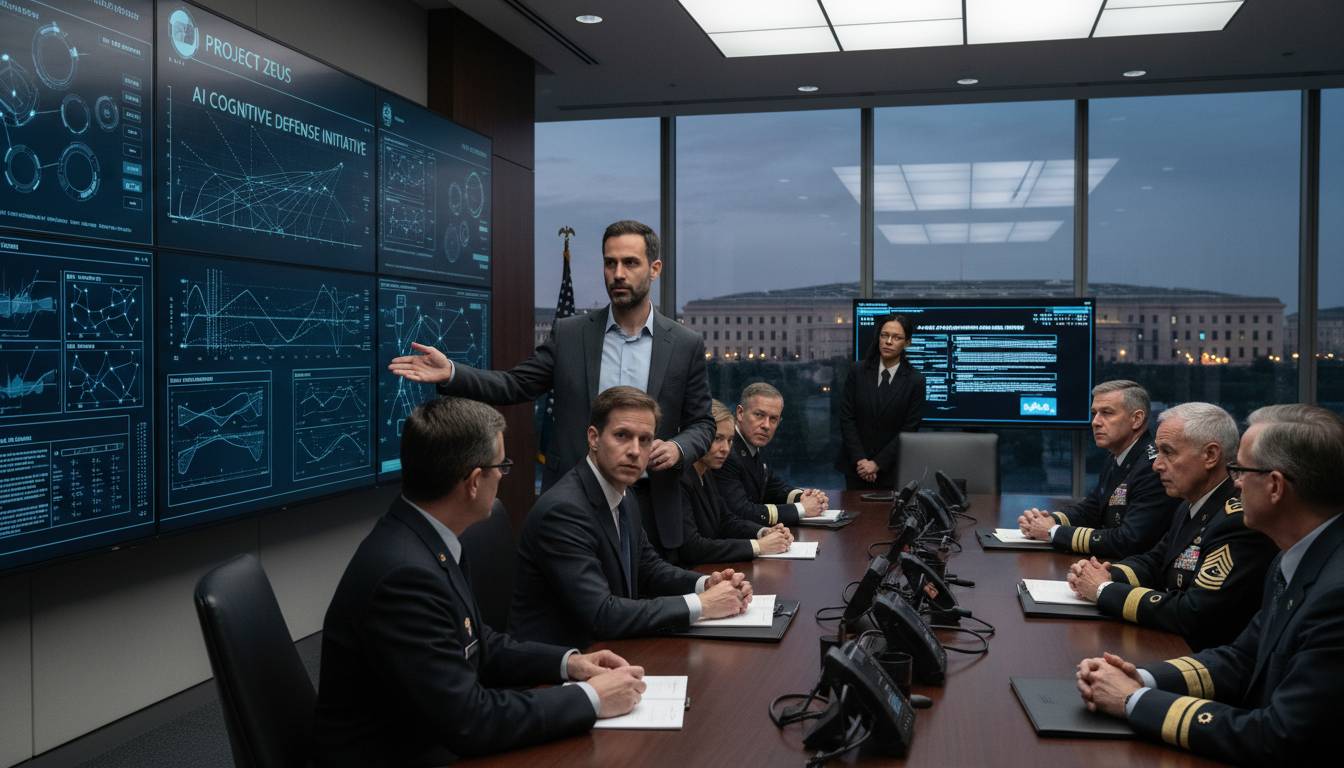
Dario Amodei, CEO of AI company Anthropic, has made his most concerted effort yet to establish formal collaboration with the U.S. Department of Defense. This development arrives amid intensifying debates about AI’s role in national security and where tech companies should draw the line on military partnerships.
This outreach marks a notable shift for Anthropic, which has historically kept more distance from defense work than some competitors. The initiative comes at a moment when the Pentagon is aggressively pursuing advanced AI capabilities while Congress wrestles with how to provide adequate oversight. Industry watchers say this attempt could fundamentally alter how AI gets adopted across the U.S. defense establishment.
The Evolution of Anthropic’s Defense Stance
Anthropic’s path toward potential Pentagon collaboration has involved considerable internal debate and shifting corporate strategy. Unlike AI companies that quickly jumped into defense contracts, Anthropic under Amodei has emphasized what it calls a “safety-first” approach to military applications. That cautious stance initially put the company at odds with the Pentagon’s fast-moving AI adoption timeline.
People familiar with the matter say Amodei has personally overseen development of a proposed framework for ethical AI deployment in defense contexts. The framework reportedly includes strict limitations on autonomous weapons and requirements for human oversight in decision-making. This reflects Amodei’s public commitment to keeping AI systems aligned with human values, even in high-stakes environments.
The company’s earlier reluctance to engage with defense agencies drew praise from AI safety advocates but criticism from those who argued American AI capabilities were being left on the table. This latest attempt seems designed to split the difference, offering a compromise that addresses safety concerns while enabling real technological partnership.
Details of the Proposed Collaboration
Multiple technology policy outlets report that Amodei’s proposal outlines several potential areas of cooperation between Anthropic and the Pentagon. These include cybersecurity, logistics optimization, and defensive AI systems meant to protect critical infrastructure.
The proposal emphasizes non-offensive applications, with explicit provisions excluding lethal autonomous weapons or AI systems designed for combat. This distinction has become central to broader policy debates about AI and warfare. Defense officials have expressed interest in Anthropic’s Claude AI model for analytical work, particularly situations requiring sophisticated language understanding and document processing.
The framework also includes provisions for ongoing oversight and review. Internal Anthropic safety teams and external auditors would monitor compliance with agreed-upon ethical guidelines. Amodei has argued such oversight structures are essential for maintaining public trust when AI gets deployed in military contexts.
Industry and Policy Implications
The potential partnership has sparked significant discussion among policy experts, tech executives, and advocacy groups. Supporters argue American AI companies need to engage with defense institutions to maintain technological superiority in an increasingly competitive global landscape. They contend that refusing to work with the Pentagon simply hands advantage to adversaries who operate without similar ethical constraints.
Critics remain skeptical that adequate safeguards exist for AI deployment in military contexts. Several advocacy organizations worry about incremental expansion of AI uses beyond initially agreed boundaries. Other tech companies that started with limited defense contracts and eventually expanded their military engagement serve as a cautionary example.
Academic researchers specializing in AI ethics want more transparency about specific capabilities being considered for deployment. Dr. Sarah Chen, a technology policy scholar at Stanford University, said the distinction between defensive and offensive applications can blur in practice, and robust verification mechanisms are essential.
The Pentagon’s AI Acquisition Strategy
The Department of Defense has sped up efforts to integrate artificial intelligence across multiple domains in recent years. The Pentagon’s Chief Digital and Artificial Intelligence Office has been tasked with finding promising commercial AI technologies that could enhance military capabilities. This push has included outreach to leading AI companies that had previously avoided defense work.
Defense officials have emphasized AI systems offer potential advantages in intelligence analysis, predictive maintenance, and threat assessment. The volume of data processed in military contexts often exceeds what human analysts can handle, making AI-assisted processing increasingly attractive to military planners.
However, acquisition processes have sometimes struggled to keep pace with rapid AI advancement. Traditional procurement timelines can lag years behind commercial developments, creating challenges for agencies seeking to field cutting-edge systems. The proposed collaboration with Anthropic includes provisions meant to address this timing mismatch through more flexible contracting arrangements.
Stakeholder Reactions and Congressional Oversight
Members of Congress have offered varied perspectives on the proposed collaboration. Some legislators have championed deeper engagement between AI companies and defense agencies, arguing such partnerships are essential for national security. Others have called for careful examination of ethical implications and oversight mechanisms before formal agreements move forward.
The Congressional Artificial Intelligence Caucus has scheduled hearings to examine broader implications of commercial AI deployment in defense contexts. Lawmakers have indicated interest in ensuring appropriate guardrails exist regardless of which companies engage with the Pentagon.
Industry groups have generally welcomed the dialogue, noting that clarity regarding acceptable uses of AI in defense contexts benefits all stakeholders. Tech companies have sought more explicit guidance from policymakers about boundaries of acceptable collaboration.
Future Outlook and Broader Implications
The outcome of Amodei’s outreach to the Pentagon could significantly influence AI adoption within the U.S. defense establishment. A successful collaboration model might encourage other safety-conscious AI companies to explore similar partnerships. Failure to reach agreement could reinforce perceptions that commercial AI and defense applications are fundamentally incompatible.
Amodei has emphasized his belief that AI companies bear responsibility for helping ensure artificial intelligence serves broadly beneficial purposes. In public statements, he has argued that withdrawing entirely from defense contexts does not prevent harmful AI applications but rather surrenders influence over how the technology develops.
The coming months will likely see continued negotiation between Anthropic and Pentagon officials regarding specific terms of any collaboration. Both parties have expressed optimism about reaching agreement, though significant hurdles remain. The resolution of these discussions will be watched closely by industry participants, policymakers, and the broader public interested in AI’s future.
Conclusion
Dario Amodei’s latest attempt to establish Pentagon collaboration represents a significant moment in ongoing negotiations between commercial AI development and national security requirements. The proposal reflects genuine effort to balance potential benefits of AI in defense contexts against legitimate concerns about oversight and ethical constraints. As the Pentagon pushes for faster AI adoption while Congress and the public demand appropriate safeguards, the outcome will help define parameters of technology partnership for years to come. The resolution will likely set precedents influencing how other AI companies approach defense sector engagement.
Frequently Asked Questions
What is Anthropic seeking from the Pentagon collaboration?
Anthropic proposes a collaboration focused on non-offensive AI applications: cybersecurity, logistics optimization, and defensive systems. The proposal excludes lethal autonomous weapons and requires human oversight in all deployment scenarios.
Why has Anthropic been cautious about defense work previously?
Anthropic has historically prioritized a “safety-first” approach, reflecting CEO Dario Amodei’s commitment to AI safety. The company previously kept distance from defense contracts to ensure ethical guidelines could be strictly enforced in any potential deployment.
What are the main concerns about AI in military applications?
Critics worry about AI systems being used in lethal applications, the blurring of defensive and offensive uses, and the need for robust oversight mechanisms. Advocacy groups stress the importance of clear boundaries and verification processes.
How might this collaboration affect other AI companies?
A successful model could encourage other safety-conscious AI companies to explore defense partnerships. Failure could reinforce skepticism about compatibility of commercial AI and military applications.
What role does Congress play in oversight of AI defense contracts?
Congress controls defense spending and conducts oversight hearings on AI deployment. Lawmakers have indicated interest in ensuring appropriate guardrails and transparency regarding AI use in military contexts.
What happens next in the collaboration process?
Negotiations will continue between Anthropic and Pentagon officials to finalize specific terms. Congressional hearings are expected to examine broader implications of the proposed collaboration.












Leave a comment