

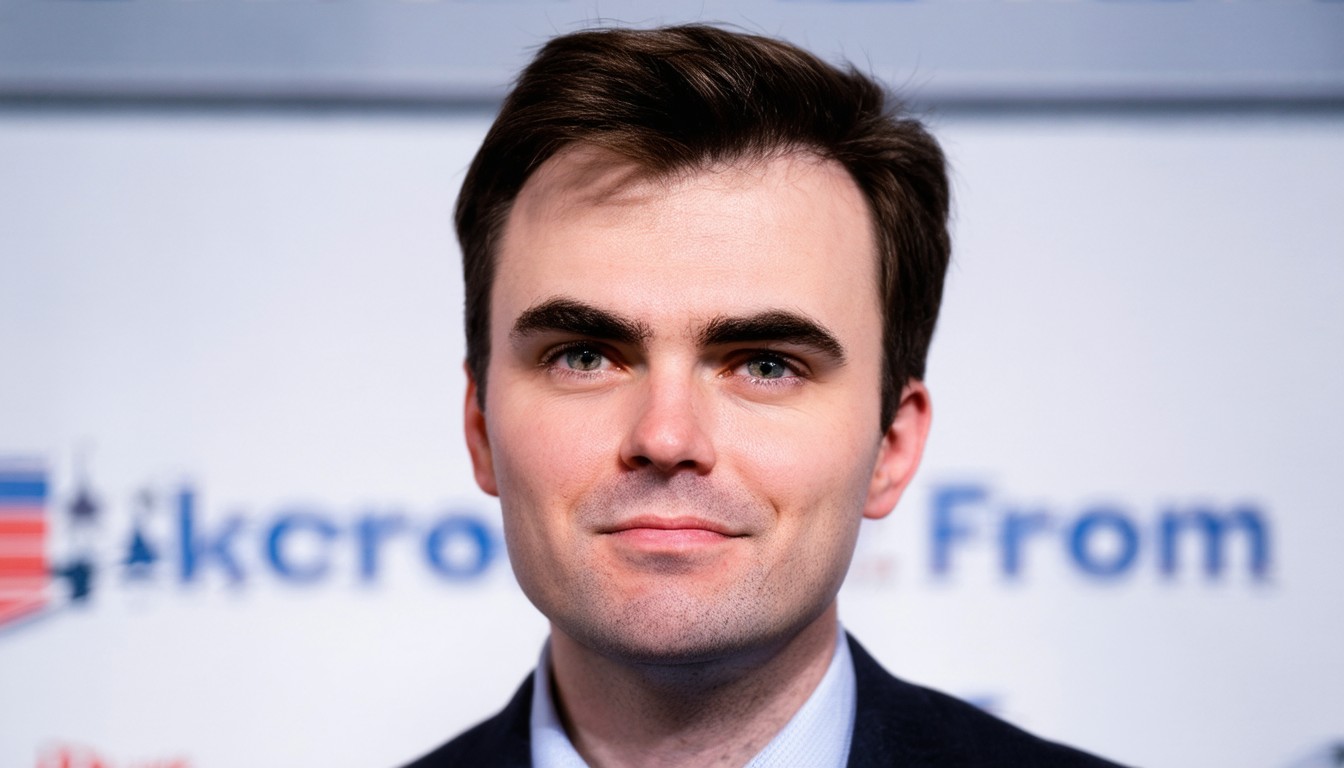
Understanding the Origins of the Charlie Kirk Assassination Rumors
Rumors of a so-called “Charlie Kirk assassination” have circulated periodically on social media, particularly during politically charged moments in the United States. Charlie Kirk, founder and president of the conservative youth organization Turning Point USA, has been a polarizing public figure, frequently drawing both substantial support and fervent criticism. In the current era, where information—true or false—travels astonishingly fast, such rumors can take on a life of their own, leading to real concern, confusion, and even threats to personal safety.
The origins of these rumors often stem from a combination of social media manipulation, viral hoaxes, and political smear campaigns. Rarely do such stories have any factual underpinning, but their spread can indicate larger societal trends. Understanding where and why these rumors begin provides context to their persistence and helps highlight the challenges of navigating today’s information ecosystem.
How the Misinformation Spread: Social Media and the Viral Effect
The rapid spread of rumors about public figures is a well-documented phenomenon. With millions of Americans engaged on platforms like Twitter, Facebook, and TikTok, even unverified claims can quickly go viral. In the case of the “Charlie Kirk assassination” rumors, initial tweets or posts—sometimes originating from parody or hoax accounts—are often shared without context. Before long, screenshots circulate, headlines are misconstrued, and what began as a baseless claim may appear legitimate to the casual observer.
One reason for this virality lies in the so-called “information cascade,” a process where individuals, seeing others share or react to a piece of news, begin to believe it themselves. Psychologist Dr. Sander van der Linden, an expert in misinformation at the University of Cambridge, notes:
“The very architecture of social media platforms often favors speed over accuracy. Once a rumor gains momentum, it becomes increasingly difficult to debunk—especially when emotions run high.”
Traditional media sometimes exacerbate the issue, as news outlets rush to cover trending stories, occasionally amplifying the very rumors they seek to dispel. In digital journalism, traffic incentives further encourage coverage, sometimes at the expense of rigorous fact-checking.
Real-World Impacts: The Cost of Viral Death Hoaxes
Death hoaxes and assassination rumors are not isolated to Charlie Kirk; these digital falsehoods have targeted public figures across the political spectrum. The consequences, however, are rarely trivial. Beyond emotional distress for the individual and their loved ones, these rumors can spur security concerns, disrupt public events, and mislead thousands—if not millions—of people.
For example, after similar rumors targeted celebrities like Tom Holland or prominent politicians, surges in Google searches, condolence posts, and even impromptu memorials were observed. In Kirk’s case, Turning Point USA released brief statements on past viral hoaxes to clarify his safety and encourage followers to rely on reputable news sources for information. Nevertheless, spikes in online searches for phrases like “Charlie Kirk assassination” suggest the topic’s ongoing resonance in digital discourse.
Looking back, these cycles of misinformation often underscore the need for better digital literacy—not just in recognizing false claims but in understanding the mechanisms behind their amplification.
The Role of Political Climate and Disinformation Campaigns
The prevalence of assassination rumors involving political personalities is symptomatic of a deeply polarized environment. Disinformation researchers have observed that both grassroots online communities and, at times, coordinated foreign actors seek to exploit these fake stories. Their aims vary: undermining trust, inciting fear, or simply sowing confusion.
The use of manipulated videos, digitally altered images, and coordinated bots can make even outlandish claims like the “Charlie Kirk assassination” seem credible in certain circles. The 2020 U.S. presidential election cycle, for instance, saw a proliferation of such tactics, leading federal agencies to warn about potential threats to the democratic process arising out of misinformation campaigns.
Fact-Checking and Official Responses
When assassinations or death rumors emerge, fact-checking organizations and reputable media outlets play a critical role in restoring the truth. PolitiFact, Snopes, Reuters, and others typically respond within hours, labelling such stories as “false” or “unverified.” In the case of Charlie Kirk, these organizations have found no credible evidence supporting any assassination claims.
Furthermore, Kirk himself often addresses such rumors directly, using his significant social following to debunk falsehoods and underscore the importance of media literacy. Law enforcement agencies and security teams are also known to monitor these rumors, in order to assess genuine risk and take necessary precautions.
Why Do Such Hoaxes Persist? A Look at Human Psychology and Digital Incentives
Assassination rumors, especially those involving divisive public figures, often persist for several reasons:
- Confirmation Bias: People consume and share content which aligns with their existing beliefs, even if unverified.
- Media Economics: Digital advertising favors high-traffic stories, incentivizing sensational headlines.
- Emotional Resonance: Shocking stories trigger stronger emotional reactions, leading to more engagement and further spread.
- Algorithmic Amplification: Social media algorithms surface viral content regardless of accuracy, privileging engagement over truth.
Understanding these drivers highlights the complexity of tackling misinformation. Experts recommend a mix of media education, technical safeguards, and transparent official communication to counteract the lure of digital falsehoods.
Strategies to Combat Misinformation and Protect Public Figures
Beyond individual vigilance, several best practices have emerged to help limit the spread of assassination rumors and similar misinformation:
- Media Literacy Initiatives: Schools and organizations are increasingly adding digital literacy to curricula, helping people distinguish between trusted and dubious sources.
- Verified Communication Channels: Public figures, including Charlie Kirk, use verified social-media profiles and official websites to issue direct statements during rumor cycles.
- Fact-Checking Collaborations: Newsrooms now partner with independent fact-checkers to debunk viral stories swiftly.
- Platform Interventions: Social networks are deploying warning labels, reduced reach for flagged posts, and AI-based detection systems to limit the spread of harmful misinformation.
While no method is foolproof, a layered approach enhances both public awareness and trust.
Conclusion: Staying Informed in a Post-Truth Era
Rumors like the alleged “Charlie Kirk assassination” highlight the speed and scale with which misinformation can traverse today’s digital landscape. While no credible evidence has ever supported such claims, their viral spread demonstrates the urgent need for increased skepticism, digital literacy, and responsible media practices. For individuals, staying informed means seeking out reputable sources, pausing before sharing sensational news, and actively questioning the motives behind viral stories. In the bigger picture, collective vigilance and platform accountability remain key to safeguarding discourse in a polarized world.
FAQs
Is there any evidence of an attempt on Charlie Kirk’s life?
There is no credible evidence or verified reports of any assassination attempt against Charlie Kirk. Rumors to this effect have been widely debunked by major fact-checking outlets.
Why do assassination rumors about public figures spread so quickly?
These rumors spread rapidly because of social media’s design, which prioritizes engagement and shares over accuracy, as well as psychological factors like confirmation bias and emotional response.
What should I do if I see rumors about public figures online?
Check multiple reputable sources for confirmation, consult fact-checking websites, and avoid sharing unverified claims. Official statements from the person or their organization can also provide clarity.
How do media outlets and platforms respond to viral assassination hoaxes?
News organizations and social platforms rely on rapid fact-checking, labeling, and, in some cases, removing demonstrably false information to limit harm and prevent panic.
Can rumors and hoaxes have real-world consequences for those targeted?
Yes, such rumors often cause emotional stress, may require increased security for the individual, and can mislead thousands of people, showing the importance of responsible sharing and swift debunking.














Leave a comment