

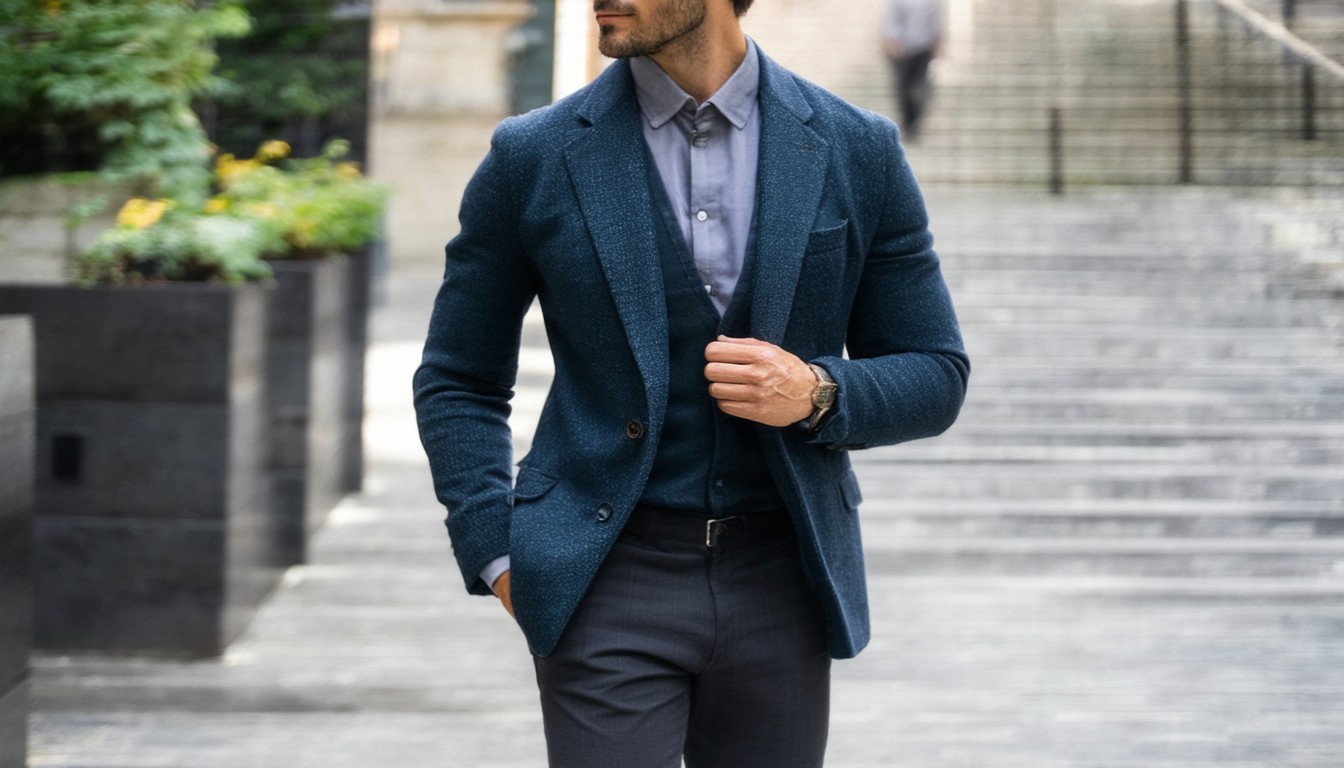
Business casual for men has evolved from a vague dress code into a cornerstone of contemporary workplace style. As remote work blurs lines and offices prioritize flexibility, understanding what truly constitutes “business casual” is more valuable than ever. A modern business casual wardrobe balances professionalism with personal expression, allowing men to remain both comfortable and credible in diverse office settings.
The Changing Definition of Business Casual
No two companies interpret business casual in the exact same way. Traditionally, it sat between full suits and weekend attire: think collared shirts paired with chinos instead of jeans and ties. However, casual Fridays, tech culture, and a new emphasis on comfort have all influenced what men wear to work in the 2020s.
Workplace expert Daniel Post Senning at The Emily Post Institute notes:
“Business casual is now less about strict rules and more about signals—dressing respectably while showing you understand the company culture.”
Many younger professionals seek business casual as a route to authenticity at work. According to various workplace surveys, a significant proportion of employees now say dress codes affect both their productivity and sense of belonging. For men, nailing this balance can boost confidence and ease collaboration.
Foundations of a Business Casual Wardrobe
Understanding the core pieces and their combinations is the first step toward mastering this style.
Essential Clothing Items
A smart business casual wardrobe typically includes the following basics:
- Button-up shirts: Classic oxfords in white, light blue, or subtle patterns are versatile; avoid loud prints.
- Polo shirts: Acceptable in many workplaces, especially layered under a lightweight blazer.
- Chinos or dress trousers: Neutral colors like navy, gray, and khaki are most flexible.
- Sweaters: Lightweight merino wool or cotton crewnecks and v-necks layer seamlessly over shirts.
- Blazers or sport coats: Unstructured versions in casual materials like cotton or linen offer polish without rigidity.
- Leather or suede shoes: Loafers, derbies, brogues, and minimal dress sneakers (where permitted) work well.
The Power of Fit and Fabric
Even casual pieces should fit well—avoid anything overly baggy or tight. Well-fitted clothing signals attention to detail and respect for colleagues. Likewise, quality fabrics such as pure cotton, merino wool, and linen appear sharp and tend to last longer.
As stylists often explain, texture and layering set business casual apart from standard casual attire. Mixing fabrics—in a knit sweater over a crisp cotton shirt or pairing wool trousers with a chambray blazer—creates visual interest while remaining understated.
Building Business Casual Outfits: Ideas for Every Season
The secret to great business casual style lies in adaptable, seasonally appropriate combinations.
Spring and Summer Outfits
During warmer months, lighter fabrics and colors dominate.
- Option 1: White oxford shirt, stone-colored chinos, navy unstructured blazer, brown loafers.
- Option 2: Light blue polo, olive chinos, tan suede loafers, minimal leather belt.
- Option 3: Linen blend shirt, dark gray dress shorts (if dress code permits), low-profile sneakers.
Fall and Winter Outfits
Colder seasons bring richer colors and cozier layers.
- Option 1: Charcoal wool trousers, navy merino sweater layered over a plaid shirt, dark leather brogues.
- Option 2: Turtleneck in neutral shade, tweed sport coat, dark chinos, suede boots.
- Option 3: Crewneck sweater over button-up, corduroy trousers, classic Chelsea boots.
Beyond temperature, always consider the specific expectations of your workplace; certain industries, such as finance or law, may expect dressier interpretations.
Navigating Dos and Don’ts
Striking the right balance requires knowing what to embrace or avoid.
Common Mistakes and How to Avoid Them
- Worn-out shoes: Even the sharpest outfit falters if shoes are scuffed.
- Untucked polo shirts or wrinkled button-downs: Prioritize looking neat.
- Overly casual items: Reserve shorts, graphic tees, and sneakers (unless minimal and workplace-approved) for weekends.
- Ignoring accessories: A leather watch or subtle belt can finish off a look.
Conversely, don’t overcomplicate things with too much layering or mismatched colors. When in doubt, simpler combinations are safest.
Adapting to Different Workplaces
Highly creative industries like advertising or tech may encourage bolder patterns, trendy knitwear, or even designer sneakers. Corporate environments generally require more traditional business casual: think pressed trousers, muted tones, and closed-toe leather shoes.
Learning the expected standards and gradually refining your wardrobe based on observed norms will go a long way. Personalized touches—like a pocket square, patterned socks, or unique watch—can be added once you feel comfortable.
The Role of Personal Style in Business Casual
While fitting in matters, authentic self-expression should not be stifled. Men can showcase subtle tastes through color choice, fabric texture, or signature pieces.
For example, a well-made watch, slim-cut chinos, or a blazer with an unusual lining can hint at personality without breaking code. Effortless style signals competence and gives colleagues greater insight into character—important for networking and team cohesiveness.
Fashion consultant Joe Ottaway observes:
“Gentlemen who master business casual understand it’s about nuance. Consistency, care, and a little individuality go further than following every trend.”
Real-World Examples: How Leading Brands Promote Business Casual
Several global brands have shifted their image to embrace and promote business casual menswear:
- J.Crew: Known for its mix of polished and relaxed elements, the brand frequently spotlights chinos with sport coats and dress sneakers.
- Bonobos: Their fit-focused approach and modern color palettes cater directly to office-going men seeking all-day comfort.
- Uniqlo: Offers a range of wrinkle-resistant shirts and versatile trousers emphasizing functionality and affordability.
These brands not only respond to consumer demand but also shape the ongoing evolution of the dress code through seasonal campaigns and workplace collaborations.
Conclusion
Business casual for men continues to evolve with shifts in workplace culture, technology, and personal expression. The best approach combines classic staples, proper fit, and seasonal layering—with an eye toward both company expectations and personal taste. Ultimately, dressing well for work is a sign of self-respect and professionalism that benefits individual careers and office culture alike.
FAQs
What exactly does “business casual” mean for men?
Business casual typically means wearing shirts with collars, dress pants or chinos, and dress shoes, while skipping the tie and formal suit. It’s less rigid than business formal but still projects professionalism.
Can men wear jeans as part of business casual?
In some companies, dark, non-distressed jeans are acceptable as business casual, but it’s safest to check the specific workplace policy. Generally, chinos or tailored trousers are more widely accepted.
Are sneakers appropriate for business casual outfits?
Minimalist, clean leather sneakers may be allowed in creative or tech workplaces, but traditional offices often expect loafers, oxfords, or other formal shoes. Always gauge your office environment before choosing footwear.
How can I add personality to business casual looks?
Try subtle accessories, such as a watch, pocket square, or patterned socks. Playing with fabric textures and muted colors can also express individual style without appearing too bold.
What are common mistakes men make with business casual attire?
Wearing wrinkled clothing, untucked shirts, or scuffed shoes can undermine an otherwise sharp outfit. Overly casual items, like athletic wear or graphic tees, should be avoided in most professional settings.














Leave a comment