


Americans get their breaking news from a fragmented landscape of apps, TV channels, and social media feeds. The demand for instant information has transformed how journalists work—and how we all process events as they unfold. This piece looks at how breaking news actually works: what makes something “breaking,” where reliable information comes from, and why getting the facts right remains so hard when everyone wants answers now.
What Defines Breaking News in Modern Journalism
Breaking news describes events that happen without warning and demand attention right away. A building catches fire. A plane goes down. Congress passes a surprise bill. These stories emerge fast and keep changing as new details surface. That’s the key difference from regular news coverage, which typically deals with events that have already concluded or stabilized.
What counts as “breaking” has shifted over time. Traditionally, it meant deaths, major political decisions, natural disasters, or economic upheaval. Now, anything that generates massive engagement on social media can qualify—even stories that wouldn’t have made the evening news thirty years ago.
News organizations run dedicated breaking news desks around the clock. Staffers monitor police scanners, wire services, social media, and tips coming in from reporters in the field. When something breaks, the race begins to verify and publish.
The best outlets distinguish themselves by being transparent about what they don’t know yet. Breaking news often contains errors initially, and outlets that acknowledge that—updating actively as facts change—tend to build more trust than those that pretend certainty.
How Breaking News Is Reported and Distributed in the United States
The system involves wire services, TV networks, digital platforms, and increasingly, ordinary people with smartphones. The Associated Press and Reuters act as the backbone, feeding verified information to newspapers, websites, and broadcasters across the country. Their correspondents worldwide file to centralized desks where editors check facts before distributing to subscriber outlets.
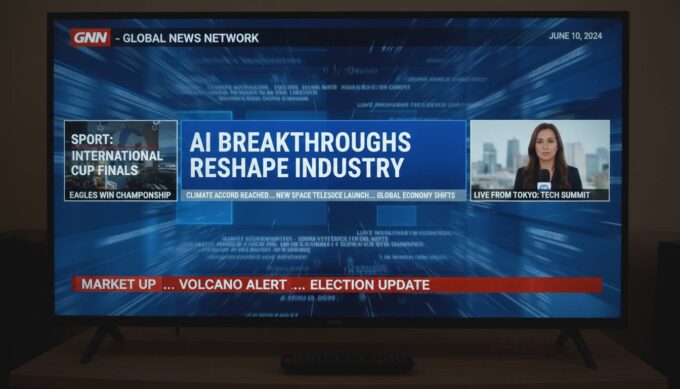
Cable news—CNN, MSNBC, Fox News—has structured around breaking events. When something major happens, regular programming gets pushed aside. This started becoming common after the Kennedy assassination but happens several times a week now.
Digital distribution has changed everything. News apps send push notifications to phones within seconds of publication. Websites run live blogs that update minute by minute. Twitter functions as an informal wire service, with journalists and outlets sharing updates in real time. The old model of a story developing over days in sequential coverage is gone—now it happens everywhere at once.
The Role of Technology in Breaking News Coverage
AI tools now help newsrooms spot emerging stories by scanning social media, government feeds, and other data sources. They flag potential items for human editors to evaluate. The technology assists rather than replaces the judgment about what matters.
Smartphones mean anyone with a signal can document an event. This has complicated verification—witness videos often appear before reporters arrive, but they need checking before publication. Newsrooms reverse-search images, examine metadata, and contact original postersto confirm authenticity. These steps add time, but skipping them destroys credibility.
Where Americans Access Breaking News Today
Options vary significantly by age. Older Americans still lean on network evening news and local TV stations. Younger people more often use news apps, aggregation services like Apple News, or simply scroll social media feeds—though concerns about misinformation have pushed some back toward established outlets.
Local television remains important for community news. Stations maintain breaking teams focused on local stories—crime, weather, accidents, city council decisions—that national outlets rarely cover. The economic struggles of local newspapers have created gaps in coverage of statehouses and local institutions, though nonprofit models are emerging as alternatives.
The Future of Breaking News in America
The pace will keep accelerating. AI may identify developing stories faster, and formats will likely become more interactive—audiences exploring events at their own speed rather than watching a linear broadcast. But the core tension won’t resolve: people want instant information, and instant information is often wrong.
Outlets that navigate this well—fast but honest about uncertainty—will likely survive. Those that sacrifice accuracy for speed will lose trust just when it matters most.
Conclusion
Breaking news has become the main way Americans learn about urgent events, from their own neighborhoods to halfway around the world. The technology has changed dramatically, but the fundamental challenge remains the same: deliver information quickly while maintaining credibility. Knowing how this works helps you separate reliable sources from noise—and understand why that distinction matters.
Frequently Asked Questions
What is considered breaking news?
Unexpected events that need immediate attention and keep developing as new information arrives. Natural disasters, major political announcements, terrorist incidents, and significant economic news all qualify.
How is breaking news different from regular news?
Breaking news covers ongoing situations where facts remain uncertain and change frequently. Regular news typically addresses events that have finished or stabilized, allowing for fuller, more contextualized reporting.
Where can I get breaking news alerts?
Most major news apps (CNN, NBC, AP) offer push notifications. Cable news runs constant coverage during big events. Twitter works for real-time updates, though you have to be careful about sources. Many people customize alerts to their specific interests rather than getting everything.
How do journalists verify breaking news?
They call official sources—police, government agencies, company spokespeople—check documents, confirm details across multiple independent outlets, and verify any witness content through reverse image searches and direct contact with the person who posted it.
Why does breaking news sometimes contain inaccurate information?
Reporters face pressure to publish fast, but verification takes time. Early accounts often come from witnesses who got部分信息 wrong or officials who later corrected themselves. Good outlets update actively as they learn more.
How has social media changed breaking news?
It’s much faster now—events often break on social media before journalists even hear about them. This speeds up the cycle but creates verification problems. Most newsrooms now monitor social platforms to find stories while trying to maintain standards for what they publish.














Leave a comment