

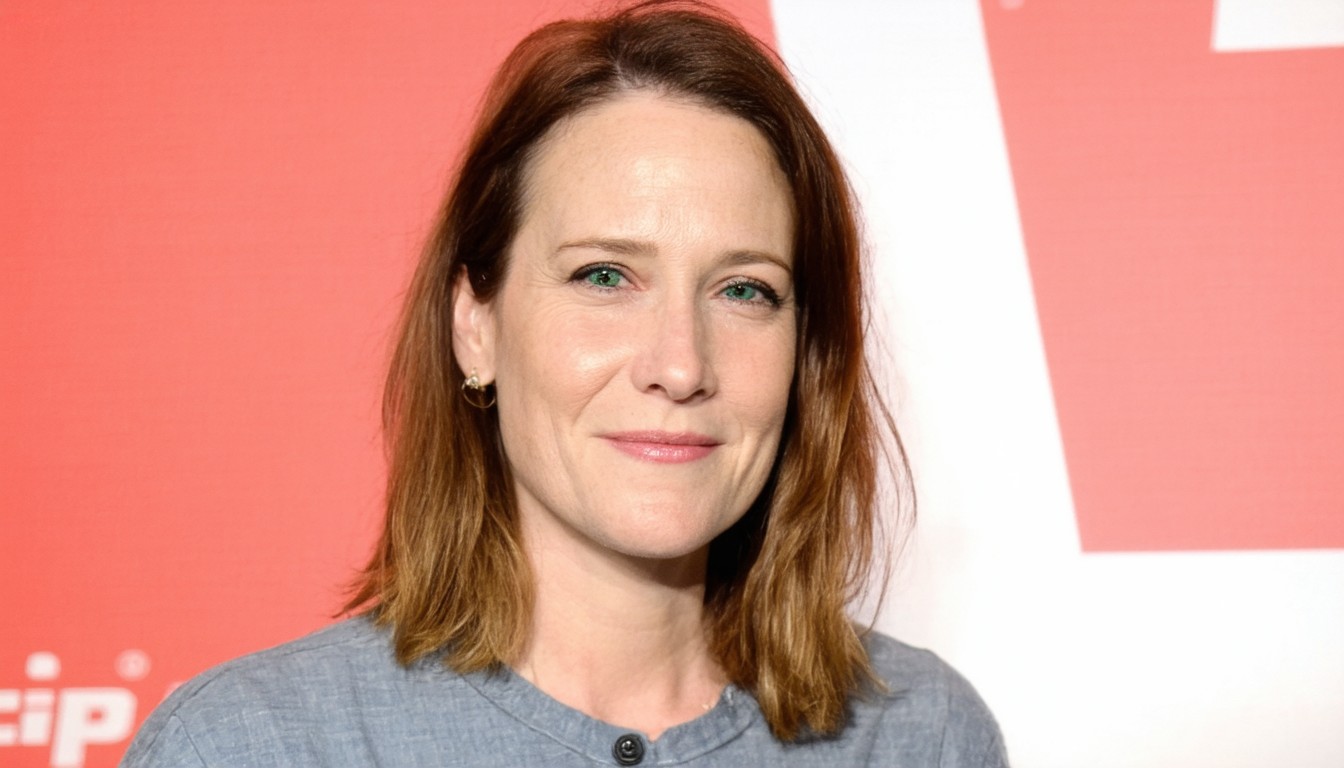
The digital age has redefined the speed and scale at which information—intentional or otherwise—spreads across the internet. Few recent moments illustrate this better than the so-called “Bobbi Althoff leak,” a cascade of viral clips, rumors, and heated debates that swept through platforms from TikTok to Twitter. As social media continues to blur the lines between public and private life, personalities like Bobbi Althoff, a podcast host and comedic content creator, can find themselves at the heart of sprawling internet controversies. But what exactly happened, and what does this episode reveal about the ecosystem of viral culture?
Who is Bobbi Althoff? Context Before the Leak
Bobbi Althoff rose to prominence on TikTok, developing a unique brand that combines dry humor, awkward interviews, and a willingness to challenge celebrity culture’s usual narratives. Her podcast, The Really Good Podcast, quickly gathered a following, with interviews featuring high-profile guests like Drake, Tyga, and Rick Glassman. Her intentionally offbeat style—marked by deadpan delivery and understated antagonism—offers a satirical lens on the influencer and celebrity interview space.
Interest in Althoff surged in 2023 with clips from her podcast episodes going viral, often blurring the line between sincerity and parody. Prior to the leak in question, Bobbi was already a topic of fervent online discussion, both admired for her self-aware approach and critiqued for “manufactured awkwardness.”
Anatomy of the “Leak”: What Actually Happened?
The so-called “Bobbi Althoff leak” does not refer to a single scandalous revelation, but rather a series of short video clips and out-of-context soundbites that suddenly exploded across social media. The term “leak” is somewhat misleading—no private, intentionally hidden information was distributed. Instead, the spread involved:
- Clips from podcast recordings and behind-the-scenes moments surfacing on platforms outside their original channels.
- Misinterpretations of edited segments, with snippets taken out of context to fuel speculation about strained celebrity relationships or off-the-cuff remarks.
- Allegations and rumors regarding Bobbi’s relationships with podcast guests. The most prominent example involved a rumored falling out with Drake, leading to wild speculation about the nature of their friendship and the reasons for the removal of their episode from streaming platforms.
Experts in digital culture argue that such viral “leaks” are less about actual privacy invasions and more about “content fragmentation”—where snippets from larger works acquire new meaning once divorced from context.
“In the age of algorithm-driven media, a ten-second clip can overshadow an hour-long conversation, creating narratives entirely disconnected from reality,” says Dr. Marissa Cortez, professor of communications at UCLA.
How Viral Clips Fuel Rumors and Misinformation
Social media platforms, especially TikTok and X (formerly Twitter), excel at amplifying short, provocative content. The mechanics are simple: users repost short clips with commentary, reaction videos, or “duets,” rapidly multiplying the content’s reach. In Bobbi Althoff’s case, several factors converged:
Editing Out of Context
Clips from her podcast episodes—often intentionally awkward or deadpan—were edited to suggest tension or behind-the-scenes drama with celebrity guests. Without the full conversational context, offhand remarks and comedic bits were recast as evidence of real-life disputes or personal revelations.
Algorithmic Amplification
TikTok’s “For You” page and Twitter’s trending algorithms thrive on engagement, sending controversial or ambiguous clips to wider audiences. The more people commented—whether in defense of Bobbi, or to fuel speculation—the greater the content’s reach.
The Role of Influencer Economy
High-profile influencers and meme accounts often act as accelerators. When a notable YouTuber comments on a “leak,” their millions of followers are instantly exposed, creating a domino effect.
Real-World Example
After the Drake episode of The Really Good Podcast was removed from YouTube, speculation surged. Users dissected podcast clips and social media follows/unfollows for hints at fallout or drama. What may have been a routine content or licensing decision was elevated to a full-blown internet narrative.
Reactions Across the Internet: Support, Backlash, and Satire
Responses to the Bobbi Althoff leak were as varied as the internet itself:
- Fans defended the creator, arguing that her humor and interview style were being purposefully misinterpreted for clicks.
- Critics saw the incident as backlash to an oversaturated online persona, questioning Althoff’s intentions and speculating about manufactured drama for publicity.
- Industry insiders pointed out the cycle of viral outrage and short attention spans, framing the leak as part of a larger trend in digital media.
Satirical responses emerged as well: comedians and TikTok creators began parodying the phenomenon, inserting themselves into “leaked” clips or inventing over-the-top theories about podcast guest dynamics.
The Ethics of Signal-Boosting “Leaks”
Digital culture critics have observed that the low barrier for amplifying semi-controversial content often means nuanced, context-rich conversations are sidelined for whatever will draw the most clicks. This “outrage cycle” has real consequences for creators, amplifying stress and eroding the boundaries between creator and audience.
The Lasting Impact on Bobbi Althoff’s Online Presence
While many viral controversies flash and fade, some have a lasting impact. In Althoff’s case, the saga behind the “leak” appears to have contributed both to a surge of new followers and to renewed scrutiny.
Positive Outcomes
- Increased Visibility: Search interest in Bobbi Althoff and The Really Good Podcast spiked as digital detectives sought out original clips and full episodes.
- Audience Polarization: Her core fanbase rallied, engaging in extended debates about online culture and the ethics of reposting.
Lingering Challenges
- Ongoing Speculation: Despite clarifications, rumors about guest relationships and behind-the-scenes tension persist.
- Reputation Management: Like many creators swept up in viral controversies, Althoff must now navigate renewed invasions of privacy and public scrutiny.
The aftermath highlights the double-edged sword of algorithmic attention: the same mechanics that produce virality can quickly become unpredictable and unwieldy.
Lessons in Digital Culture: Virality, Privacy, and Responsibility
As creators become the main drivers of digital media, the Bobbi Althoff leak raises important questions about responsibility—not just for individual influencers, but for audiences and platforms alike.
For Creators
- Guarding context: Ensuring that controversial or ambiguous moments are accompanied by clarifying commentary or easily accessible transcripts may mitigate misinterpretation.
- Community engagement: Open, honest communication with audiences during viral cycles can help regain control of narratives.
For Audiences
- Critical consumption: Developing skepticism toward out-of-context clips and remembering the incentives that drive viral media.
- Respect for privacy: Acknowledging the real-world impact of rumor-mongering, and resisting the temptation to participate in pile-ons.
For Platforms
- Algorithmic transparency: Social media companies bear a responsibility to surface full conversations, not just incendiary snippets.
“Viral rumors can stick in the public imagination long after they’re debunked. Platforms and audiences alike need to demand a higher standard of context and accountability,” says Ethan Liu, media ethics commentator and author.
Conclusion: The Ongoing Evolution of Online Celebrity
The Bobbi Althoff leak—a mosaic of viral clips, misconstrued interactions, and speculative rumor—serves as a microcosm for the challenges facing digital culture today. It is both a cautionary tale for creators navigating the precarious balance between visibility and privacy, and a prompt for audiences to question the narratives algorithms serve. As social media evolves, so too must our expectations around transparency, responsibility, and empathy online.
FAQs
What is the “Bobbi Althoff leak”?
The “leak” refers to a collection of out-of-context video clips and rumors that circulated online, centering on Bobbi Althoff’s podcast appearances and relationships with guests. No private information was actually exposed.
Did Bobbi Althoff’s podcast get removed because of the leak?
There was speculation after certain episodes, like her interview with Drake, were taken down. However, neither Althoff nor streaming services confirmed that removals were linked to any leak or controversy.
Why did the rumors about Bobbi Althoff go viral?
Short, ambiguous clips spread rapidly due to social media algorithms, while influencer commentary and audience speculation accelerated the narrative, regardless of its basis in fact.
How has Bobbi Althoff responded to the situation?
Although she has addressed online speculation in various ways, Althoff has largely maintained her comedic, deadpan persona, minimizing direct engagement with rumors.
What lessons does this incident teach about internet culture?
The episode underscores the dangers of out-of-context content, the role of algorithms in shaping public perception, and the need for critical media literacy among audiences.
How can creators protect themselves from misinformation spirals?
Staying transparent with audiences, clarifying nuances, and encouraging full-context viewing can help mitigate misinterpretation and viral rumor cycles.












Leave a comment