

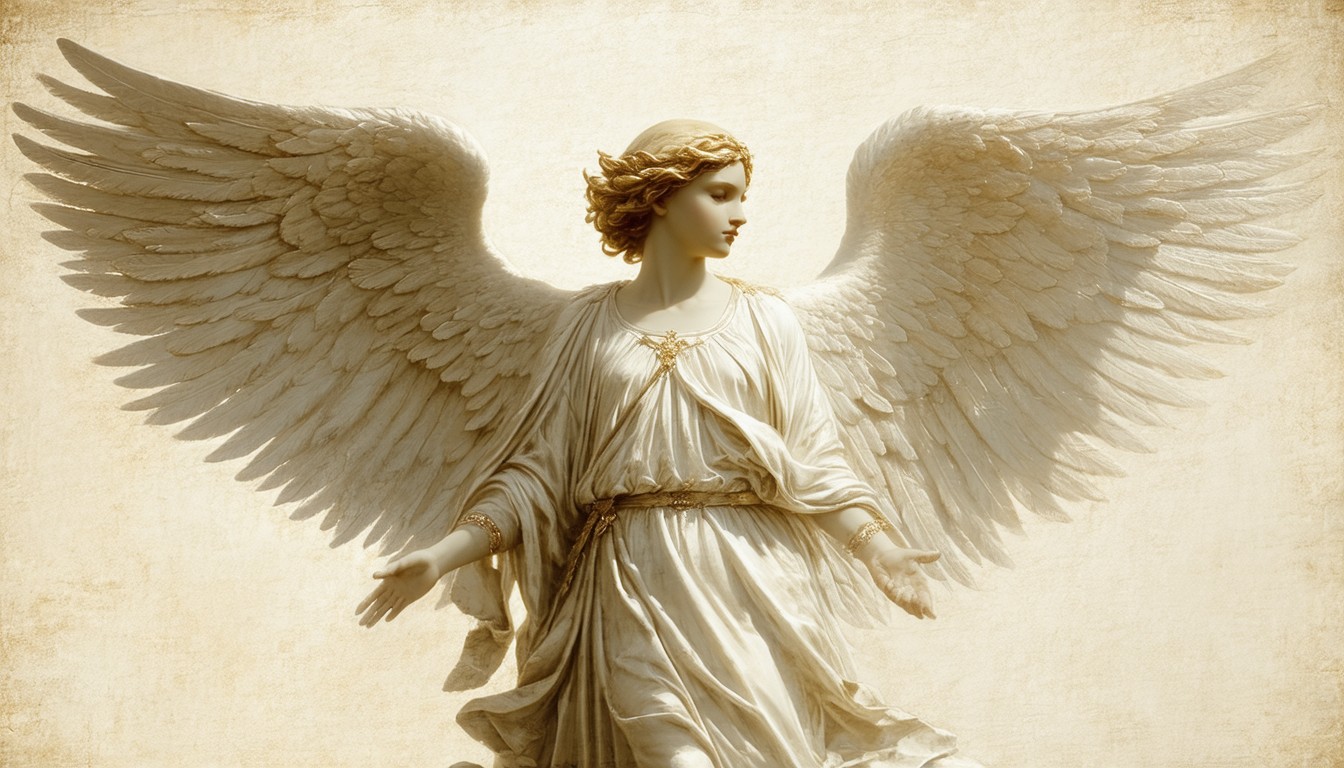
The image of angels, often rendered with gentle faces and white feathered wings, holds powerful sway in contemporary culture. Popular artwork, films, and even holiday ornaments usually depict angels as serene, human-like messengers. Yet, the biblical texts describe these heavenly beings in far more dramatic and often bewildering terms. Exploring the descriptions, meanings, and evolving symbolism of biblically accurate angels reveals a tapestry of mystery and awe that far exceeds modern expectations.
Scriptural Descriptions of Angels: Visions from the Ancient World
Cherubim: Guardians With Unfamiliar Forms
Biblical references to cherubim paint a picture that is strikingly different from their cutesy Renaissance incarnations. In the Book of Ezekiel, cherubim are described as having four faces—human, lion, ox, and eagle—along with four wings and human-like hands beneath their wings (Ezekiel 1:4–14). Their appearance is radiant, with flashes of lightning and wheels full of eyes accompanying them.
“The biblical cherubim defy simple artistic rendering; their composite forms symbolize a confluence of creation’s mightiest forces, each face representing dominion over aspects of the natural world,” observes Dr. Amy P. Merrill, a religious studies scholar.
These descriptions likely served to capture not only the otherworldly nature of angels but also their role as divine guardians of sacred spaces, like the Garden of Eden and the Ark of the Covenant.
Seraphim: Creatures of Fire and Worship
Seraphim, mentioned exclusively in Isaiah 6, are described as six-winged beings. Two wings cover their faces, two cover their feet, and with two they fly. The seraphim surround the throne of God, continuously proclaiming, “Holy, holy, holy is the LORD Almighty; the whole earth is full of his glory.” The term “seraph” itself suggests burning or fiery ones, tying these beings to the concept of purification and divine energy.
Ophanim: The Mysterious Wheels
Less commonly depicted in mainstream art, ophanim are introduced in Ezekiel’s vision as wheels within wheels, covered in eyes and animated by the spirit of the cherubim. Their constant motion and the pervasive gaze of their many eyes signify watchfulness and omnipresence—qualities ascribed to God’s rule over the cosmos.
Symbolism and Meaning: Angels in Theological and Cultural Perspective
Spiritual Messengers and Divine Authority
At their core, angels in the Bible are divine messengers—conduits between the human and the heavenly. Their awe-inspiring and sometimes frightening appearance serves to underline their authority and otherness. Encounters with angels in the scriptures often instill awe, fear, or even paralysis in witnesses, a stark contrast to the comforting presence depicted in modern narratives.
Embodiments of Order and Holiness
Each angelic order described in biblical texts often symbolizes fundamental aspects of divine order. Cherubim, for example, represent vigilance and sacred protection, while seraphim embody purity through their association with fire and their proximity to God’s throne.
In different eras and traditions, these varying appearances have inspired a vast lexicon of symbolism:
- Eyes on Wheels (Ophanim): Omniscience and unceasing vigilance
- Four Faces (Cherubim): Wholeness, universality, and cosmic sovereignty
- Multiple Wings (Seraphim): Divine power, speed, and the covering of mystery
Influence on Art and Literature
While later Christian art simplified the appearance of angels for accessibility and comfort, a resurgence of interest in “biblically accurate angels” has taken hold in modern storytelling, social media, and even video games. This trend highlights a cultural appetite for the original strangeness and profundity of the texts, challenging familiar interpretations and inviting fresh engagement with sacred mysteries.
Real-World Impact and Theological Discourse
Historical and Contemporary Interpretations
Throughout history, theologians have wrestled with how to interpret the bizarre imagery of biblical angels. Medieval Christian thought classified angels into hierarchies—Seraphim, Cherubim, Thrones, Dominions, Virtues, Powers, Principalities, Archangels, and Angels—reflecting both scriptural references and philosophical speculation.
In contemporary theology, the focus has shifted to understanding angels as literary devices, spiritual symbols, or metaphors for profound experiences of the divine. This interpretive diversity bridges the gap between ancient texts and modern faith communities.
Angels and Popular Culture
Pop culture’s engagement with biblically accurate angels has sparked both curiosity and unease. From viral social media posts comparing biblical descriptions to surreal creatures, to video games and fiction drawing inspiration from Ezekiel’s vision, the gap between scriptural and popular imagery has become a lively topic of conversation. Importantly, this cultural shift encourages a renewed look at the complexity and power of religious narratives.
Case in Point: Viral Memes and Education
Recent years have seen a surge of viral images and memes depicting biblically accurate angels as wheels of fire or multi-faced beings. While sometimes humorous in intent, these memes have also led to genuine exploration among younger generations about what the Bible actually says, sparking increased interest in scriptural literacy and interfaith dialogue.
Scholarly and Interfaith Perspectives
Jewish and Islamic Angelology
The concept of angels is not unique to Christianity; Judaism and Islam also feature elaborate angelic hierarchies and descriptions. In Jewish tradition, angels are frequently messengers, as seen in visits to Abraham and Jacob. Islamic texts describe creatures like the angel Jibril (Gabriel), who is depicted as both awe-inspiring and approachable. While each tradition has distinct conceptions, all point toward the significance of divine intermediaries.
Modern Academic Analysis
Biblical scholars frequently view angelic visions as rich with layered symbolism, often reflective of the broader literary and religious context of the era. For instance, comparisons to ancient Near Eastern mythologies highlight similarities—such as hybrid beings acting as temple guardians—while also showcasing the unique theological messages of the biblical texts.
“Understanding biblically accurate angels is not just about visualizing their appearance, but grasping their role as metaphors for the ineffable—bridges between the seen and unseen, the known and unknowable,” explains Dr. Brian Lampert, professor of religious history.
Concluding Thoughts: The Enduring Mystery of Angels
Biblically accurate angels defy simple categorization, standing as a testament to humanity’s ongoing quest to understand the transcendent. Their extraordinary forms—rich with symbolism, awe, and sometimes terror—remind readers that the sacred is not always immediately accessible or comforting. Whether approached as literal messengers or as profound symbols, angels continue to inspire fascination, debate, and reverence. As theology, culture, and artistic interpretation evolve, so too does the dynamic vision of the angelic realm.
FAQs
What do “biblically accurate angels” look like?
Biblically accurate angels often appear as multi-winged, multi-faced beings or even wheels of fire covered with eyes, quite unlike the gentle and human-like figures common in popular culture.
Why are biblical angels described so strangely?
Their unusual features are meant to symbolize their divine origin, power, and the overwhelming presence of the heavenly realm, setting them apart from earthly creatures.
Are there different types of angels in the Bible?
Yes, major types include cherubim, seraphim, and ophanim—each with distinctive forms and roles, from guardianship to worship to modes of divine omnipresence.
How has the depiction of angels changed over time?
Artistic and literary traditions have simplified and softened angels’ appearances over centuries, shifting from awe-inspiring, mysterious beings to friendly protectors and guides.
Do other faiths have similar concepts of angels?
Judaism and Islam, among other traditions, also feature angels as divine messengers and servants, often with their own unique qualities and stories.
Why are “biblically accurate angels” trending in modern culture?
Renewed interest has emerged from viral social media posts and popular media, with many curious about the surprising contrast between traditional biblical texts and modern depictions.












Leave a comment