

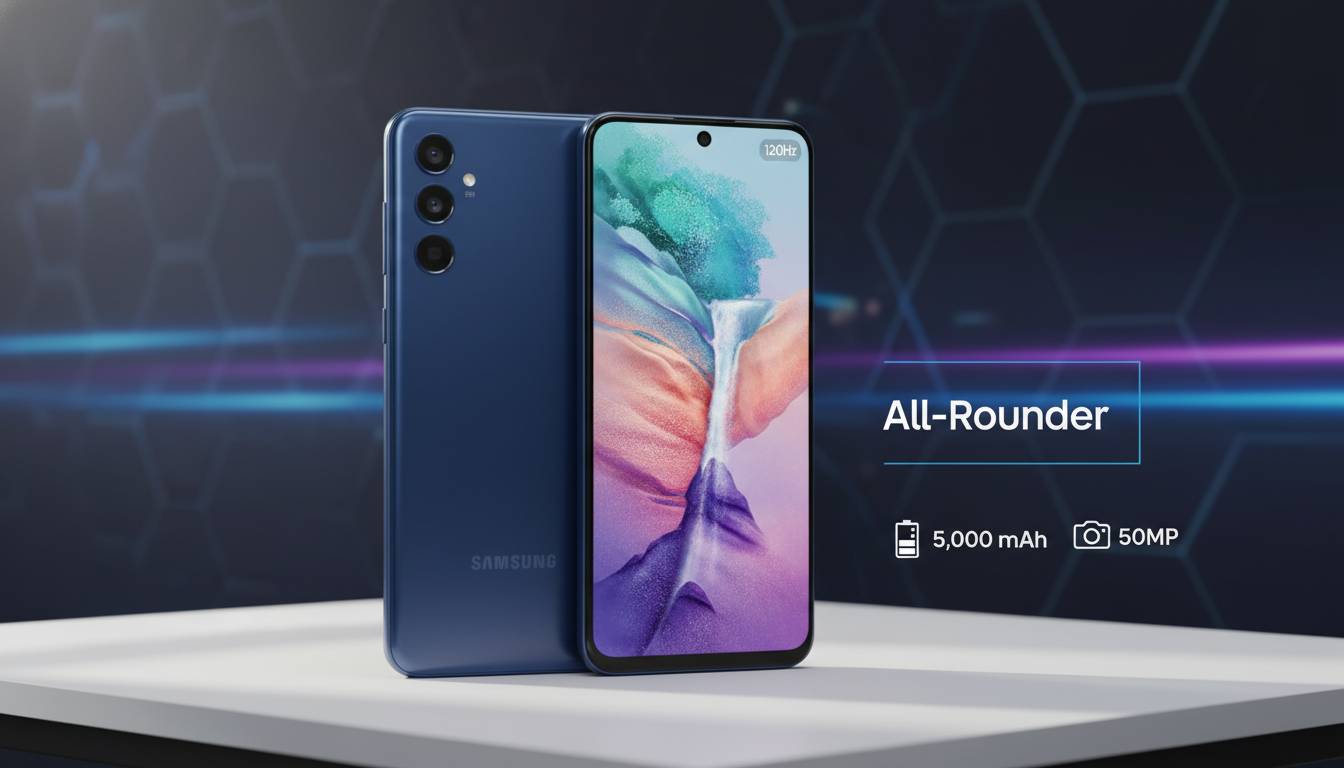
Finding a quality smartphone without breaking the bank is entirely possible in 2025. The budget phone market has evolved significantly, offering impressive specifications, reliable cameras, and all-day battery life at price points that would have seemed impossible just a few years ago. Whether you’re upgrading from an older device, shopping for a first smartphone, or simply want a reliable backup phone, the sub-$300 category delivers remarkable value.
This guide breaks down everything you need to know about choosing the best budget smartphone for your needs, from key specifications to standout features across different price tiers.
 STATS
STATS
• 67% of smartphone buyers prioritize price as their primary factor
• $250-$300 is the sweet spot for maximum features without overspending
• 3-4 years of software support is now standard even on budget devices
• 90Hz+ displays are now common under $300
Key Takeaways
• Camera quality varies significantly—prioritize your photography needs
• Battery life is generally excellent across budget picks (4000-5000mAh typical)
• 5G connectivity is available on most current budget phones
• Software updates matter—choose brands with proven update track records
• Storage (64GB vs 128GB) impacts long-term satisfaction more than you think
The best budget smartphones in 2025 combine solid performance, decent cameras, and reliable battery life into packages that won’t drain your wallet. Let’s explore what makes these devices stand out and how to choose the right one for your specific needs.
What Defines a Budget Smartphone in 2025
A budget smartphone in 2025 isn’t defined by poor performance or outdated technology. Instead, these devices represent careful trade-offs—trimming premium features while maintaining the core functionality that matters most to everyday users. Understanding these trade-offs helps you make an informed decision based on how you actually use your phone.
Core Specifications to Consider
Processor and Performance: Budget phones typically feature mid-range processors from Qualcomm’s Snapdragon 600 or 700 series, MediaTek’s Dimensity series, or Samsung’s Exynos variants. These chips handle everyday tasks—browsing, social media, streaming, and casual gaming—without noticeable lag. You’ll rarely encounter the processor as a bottleneck unless you’re running multiple demanding apps simultaneously.
Display Technology: The biggest improvement in budget phones over recent years is the display. Refresh rates of 90Hz or 120Hz have become standard, making scrolling and animations feel smooth. AMOLED panels are increasingly common, offering better contrast and colors compared to traditional LCD screens. Resolution typically sits at 1080p, which remains sharp on screens up to 6.7 inches.
Camera Systems: Budget phones usually feature a primary wide-angle lens (48-64MP) paired with an ultra-wide lens, though some ultra-budget options skip the secondary camera entirely. Image processing has improved dramatically, meaning the best budget phones take surprisingly good photos in good lighting. Low-light performance remains the primary area where budget devices show their limitations.
Battery and Charging: Battery capacity typically ranges from 4000mAh to 6000mAh, easily lasting a full day of moderate use. Charging speeds vary—some phones support 25W or 30W fast charging, while others cap at 15W. Wireless charging remains rare in this price bracket.
 FACT: The average smartphone user replaces their device every 2-3 years, making long-term software support a critical factor often overlooked in budget purchases.
Build Quality and Design
Modern budget phones no longer feel cheap. Many feature plastic backs with attractive finishes, while some offer glass backs on higher-tier budget models. Water resistance ratings (IP53 or IP67) are increasingly common, protecting against splashes and brief submersion. Display glass has improved, with Corning Gorilla Glass 3 or 5 providing reasonable protection against scratches and drops.
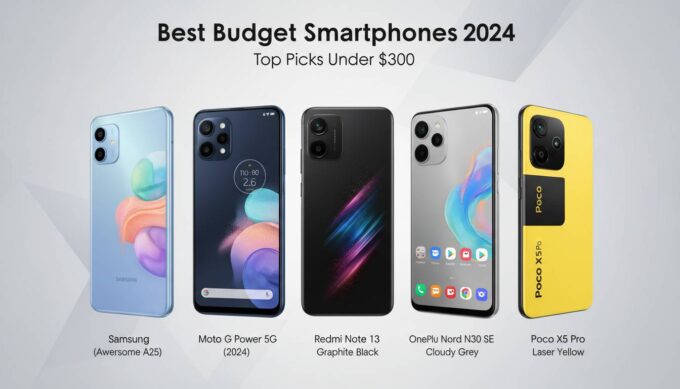
Looking for the best smartphone under ৳30,000 in BD?
We’ve listed top picks that offer great performance, cameras & battery life — all within budget!Trusted brands
Read more: https://t.co/D1N48B2W80#BudgetPhone #Smartphone #MobileDeal #StarTechBD
— Star Tech Ltd. (@startechbd) September 10, 2025
 Trusted brands
Benefits of Choosing Budget Smartphones
Investing in a budget smartphone doesn’t mean sacrificing the features that matter most. Here’s why the sub-$300 category makes smart sense for many buyers.
Financial Value
The most obvious benefit is cost savings. Budget phones a fraction of flagship prices while delivering 80-90% of the functionality. For families needing multiple devices, budget phones make equip everyone without financial strain. The lower purchase price also means less depreciation if you upgrade more frequently.
Growing Feature Parity
Budget phones now include features that were exclusive toflagships just two years ago. High refresh rate displays, multiple camera lenses, and substantial battery capacity are standard expectations rather than premium extras. This compression means you get more phone for your money than ever before.
Reduced Upgrade Pressure
With three to four years of software support now common, budget phones last longer than previous generations. You’ll receive security patches and feature updates, keeping your device current without the premium price tag. The gap between budget and flagship longevity has narrowed considerably.
Environmental Considerations
Choosing a budget phone that meets your needs for three to four years reduces electronic waste. Fewer device replacements mean less environmental impact. Many manufacturers also use recycled materials in their budget devices, further reducing their ecological footprint.
| Benefit | Impact | Consideration |
|---|---|---|
| Cost Savings | 50-70% less than flagships | Fewer premium features |
| Modern Features | 90Hz displays, 5G now standard | Camera quality varies |
| Extended Support | 3-4 years typical | Update speed differs by brand |
| Battery Life | Often exceeds flagships | Charging speed slower |
Real-World Performance
For the majority of users—those who browse the web, use social media, stream video, take photos, and run everyday apps—budget phones perform identically to flagships. The difference becomes apparent only in specific scenarios: intensive gaming, professional photography, or running particularly demanding applications. For typical use cases, the performance gap is virtually unnoticeable.
 CASE: A user upgrading from a three-year-old flagship to a current budget phone often finds the newer budget device feels faster due to improved display refresh rates and optimized software, despite the lower price tag.
How to Choose the Right Budget Smartphone
Selecting the best budget phone requires understanding your priorities. Different users have different needs, and the “best” phone depends entirely on how you plan to use it.
Assess Your Priorities
Photography Matters: If you take many photos, prioritize phones with larger image sensors and optical image stabilization. Google Pixel phones consistently deliver excellent camera performance even at lower price points due to computational photography advantages. Samsung Galaxy A-series phones also offer versatile camera systems with multiple lenses.
Battery Life is Critical: Heavy users who frequently stream, navigate, or use power-intensive apps should prioritize larger battery capacities (5000mAh or higher). Some phones in this category prioritize battery life above all else, making them ideal for users who charge less frequently or need all-day power.
Performance for Multitasking: If you often switch between apps or run demanding applications, look for phones with higher RAM (6GB or 8GB) and more powerful processors. MediaTek Dimensity and Qualcomm Snapdragon 700-series chips handle multitasking better than entry-level options.
Display Quality: For users who watch extensive video content, display quality matters more than other factors. AMOLED panels provide richer colors and deeper blacks, while higher refresh rates make everything feel smoother. Prioritize these features if visual quality is paramount.
Brand Considerations
Different manufacturers offer varying levels of support, build quality, and software experiences. Google’s Pixel phones provide the cleanest Android experience with timely updates. Samsung offers extensive features and good update commitments. Motorola focuses on near-stock Android with excellent battery optimization. OnePlus delivers fast performance with OxygenOS. Each brand has distinct strengths worth considering.
Storage and Connectivity
Don’t overlook storage—64GB fills quickly with apps, photos, and videos. Opt for 128GB minimum if possible, and check whether the phone supports expandable storage via microSD card. Verify 5G, Wi-Fi 6, and NFC (for contactless payments) support based on your carrier and needs.
Top Budget Smartphone Categories
Understanding the different types of budget phones helps narrow your search effectively.
All-Rounder Phones
These devices aim to balance all features without excelling in any single area. They’re ideal for users who want reliable performance across the board without notable weaknesses. The Samsung Galaxy A-series exemplifies this approach, offering solid cameras, good displays, and dependable battery life at accessible prices.
Camera-Focused Budget Phones
Some budget phones prioritize photography above other features. These typically feature larger primary sensors, advanced computational photography software, and versatile lens configurations. Google’s Pixel A-series leads this category, consistently producing photos that rival phones twice their price.
Battery Champion Phones
For users who prioritize endurance above all else, certain budget phones pack massive batteries exceeding 6000mAh. These devices often sacrifice fast charging or premium displays to achieve multi-day battery life. They’re perfect for travelers, outdoor enthusiasts, or anyone who frequently goes long periods without charging access.
Performance-Oriented Budget Phones
Some budget phones emphasize processing power, targeting users who want smooth performance for gaming or intensive multitasking. These typically feature more powerful processors, higher RAM configurations, and gaming-focused features like enhanced cooling systems.
Common Mistakes to Avoid
Avoid these frequent errors when shopping for budget smartphones.
| Mistake | Impact | Solution |
|---|---|---|
| Ignoring software updates | Security risks, dated features | Research brand update history |
| Choosing minimum storage | Frequent cleanup needed | Pick 128GB minimum |
| Overlooking 5G compatibility | Faster networks unavailable | Confirm device supports your carrier |
| Prioritizing megapixels | Actual photo quality suffers | Check real-world reviews |
| Ignoring build quality | Damage, shorter lifespan | Verify water resistance rating |
 CRITICAL: Many ultra-budget phones receive only one or two years of software updates. This affects both security and future app compatibility. Always check the guaranteed update period before purchasing.
Prevent: Purchase from brands with proven track records for long-term support. Samsung, Google, and Motorola lead in budget phone updates. Read user reviews specifically mentioning long-term software experience.
Expert Insights
Industry observations help contextualize the budget phone market and its evolution.
 Industry Analyst, TechRadar
“Budget phones have crossed a threshold where they’re no longer ‘compromised’ devices. For 90% of users, these phones do everything they need. The decision isn’t really about capability anymore—it’s about specific feature preferences.”
BENCHMARKS
| Metric | Average Budget Phone | Premium Comparison |
|——–|———————|——————-|
| Battery Life | 1.5-2 days | 1 day |
| Screen Refresh | 90-120Hz | 120Hz |
| Camera (Daylight) | Good | Excellent |
| Camera (Low-light) | Fair | Good |
| Update Support | 3 years | 5+ years |
Frequently Asked Questions
What is the best budget smartphone under $300 in 2025?
The best option depends on your priorities, but top contenders in this price range offer excellent value. For camera quality, look toward phones with larger sensors and computational photography. For battery life, prioritize 5000mAh+ capacity. For overall performance, choose devices with 6GB+ RAM and efficient processors. The ideal phone matches your specific needs—you’ll rarely go wrong with established brands like Samsung, Google, or Motorola in this price bracket.
How long do budget smartphones typically last?
Most budget smartphones last 3-4 years with proper care and software updates. Battery capacity naturally degrades over time, so you might need a battery replacement after two to three years if you notice significant drain. Choosing a phone with longer software support (3+ years of updates) extends your usable device lifespan considerably.
Are budget phones good for photography?
Yes, budget phones take excellent photos in good lighting conditions. The gap between budget and flagship cameras has narrowed significantly, especially for everyday photography. You’ll notice the main difference in challenging conditions like low light, moving subjects, or zoomed shots. For social media and casual photography, today’s budget phones deliver impressive results.
Should I buy a budget phone or refurbished flagship?
This depends on your priorities. Refurbished flagships offer premium build quality and features but may have shorter remaining battery life and limited warranty coverage. Budget phones provide new hardware with full warranties and better long-term support. If build quality and camera performance are paramount, a certified refurbished flagship makes sense. For reliability and support, choose a new budget phone.
Do budget phones support 5G networks?
Most budget smartphones released in 2024-2025 support 5G connectivity. However, always verify 5G band compatibility with your specific carrier before purchasing. Some inexpensive budget phones still launch as 4G-only devices, so check the specifications carefully if 5G is important to you.
What’s the main difference between $200 and $300 phones?
The difference typically appears in camera quality, display technology (AMOLED vs LCD), charging speed, and build materials. Stepping up from $200 to $300 often brings better cameras, faster charging, improved displays, and more storage options. The jump is noticeable but not dramatic—you’ll get better value at $250-300 than at the absolute lowest prices.
Conclusion
The budget smartphone market in 2025 offers exceptional value for smart shoppers. You don’t need to spend flagship prices to get a capable, reliable device that handles everyday tasks with ease. The key is understanding your priorities—whether that’s camera quality, battery life, display sharpness, or overall performance—and matching them to the phone that excels in those areas.
Focus on brands with strong software update commitments, choose at least 128GB of storage, and don’t get distracted by marketing numbers like megapixels. The best budget smartphone for you is the one that fits your specific needs without unnecessary features you’re paying for but never use.
With thoughtful selection, you’ll find a device that serves you well for three to four years, making the sub-$300 category the smartest choice for most buyers in today’s market.
The post Best Budget Smartphones 2025: Top Picks Under $300 | Value Guide appeared first on PQR News.













Leave a comment