

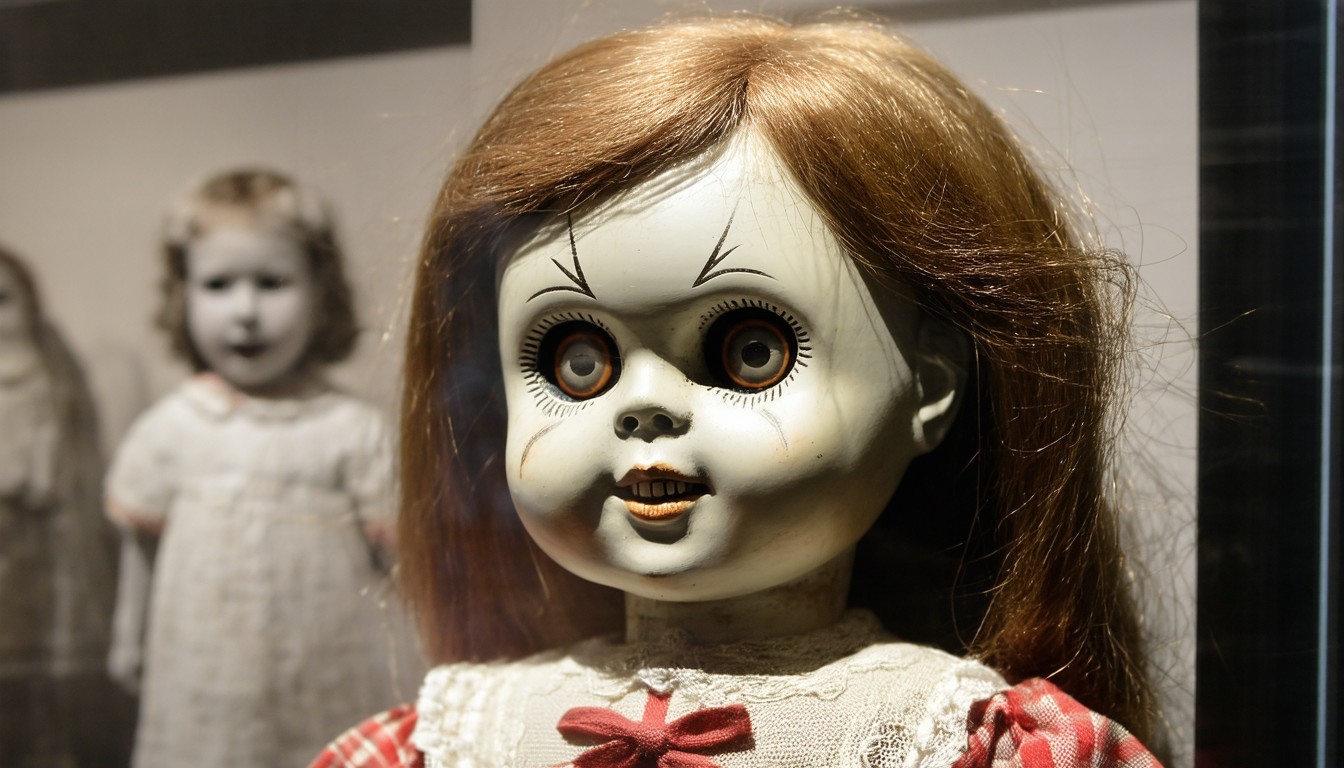
The mysterious disappearance of the Annabelle doll—reputedly one of the world’s most haunted artifacts—has reignited fascination with real-life haunted objects and the legends surrounding them. More than just a macabre curio, the Annabelle doll’s sudden absence from its longstanding home in the Warren Occult Museum has sent shockwaves through paranormal circles, social media, and pop culture commentary.
In an era captivated by the blurred lines between myth and reality, the “annabelle doll missing” story raises critical questions about the stewardship of supernatural relics—and the fine line between sensationalism and responsible reporting.
The Real Annabelle Doll: Origins and Infamy
The Annabelle doll is not the porcelain, sinister-smiling figure popularized in Hollywood’s “Conjuring” universe. Instead, the true artifact is a plain Raggedy Ann doll, stitched from cloth and yarn, first gaining notoriety in the early 1970s.
The Warrens and Annabelle’s Legacy
Paranormal investigators Ed and Lorraine Warren, renowned for their involvement in historic hauntings, were called by a pair of nurses who claimed the doll exhibited inexplicable behaviors: changing positions, leaving handwritten notes, even purported physical harm to a visitor. According to the Warrens, the doll was inhabited by a demonic entity masquerading as the spirit of a child.
Over the ensuing decades, the Warrens kept Annabelle under lock and glass at their private museum in Monroe, Connecticut, with a stern warning for onlookers: “Do Not Open.”
“Artifacts like Annabelle serve as focal points—not simply for belief, but for the human need to impose order and meaning on the unexplained,” noted folklore scholar Dr. Diana Leonard. “Their stories endure because they touch on universal anxieties and the mystery just beyond rational comprehension.”
The Warren Occult Museum: Home of Haunted Artifacts
The Warren Occult Museum, though closed to the general public since 2018 due to zoning issues, remained a touchstone for supernatural enthusiasts and researchers. Besides Annabelle, its glass cases boasted hundreds of purportedly cursed, haunted, or occult items: everything from satanic ritual paraphernalia and shrunken heads to the infamous Conjuring mirror.
Security and Stewardship
The museum’s closure heightened questions about the security and fate of its artifacts. Mrs. Judy Spera, the Warrens’ daughter, and her husband, Tony Spera, have spoken publicly about their responsibility to safeguard the collection. They have repeatedly stressed the seriousness with which they treat both the lore and physical protection of items like Annabelle.
Despite their precautions, rumors began circulating online that Annabelle had vanished—fueling speculation ranging from theft and vandalism to supernatural escape.
How the “Annabelle Doll Missing” Rumors Began
Annabelle’s alleged disappearance became global news in August 2020 after viral social media posts (including trending hashtags like #AnnabelleEscaped) claimed the haunted doll was “no longer in its case.”
Social Media Virality and Misinformation
The story appeared to escalate from a mistranslated interview with Chinese actress Annabelle Wallis, who starred in the movie “Annabelle.” The result: a perfect storm of digital hearsay, content-hungry blogs, and pranksters eager to stoke paranormal panic.
Tony Spera quickly debunked the rumor in a YouTube video tour of the museum, pointing to Annabelle firmly ensconced in her case. However, the digital narrative proved difficult to stem, with a significant share of casual readers believing something truly mysterious had taken place.
Why Such Hoaxes Take Hold
In the age of viral media, urban legends propagate with unprecedented speed. Horror franchises like “The Conjuring” and “Annabelle” have only amplified public fascination—making the real doll’s status a barometer for the blurred boundary between fictional horror and real-world legend.
Haunted Objects and the Ethics of Their Display
Far from being an isolated incident, Annabelle’s brief “disappearance” spotlights universal challenges in handling cursed or supposedly haunted relics.
The Allure and Risk of Haunted Artifacts
Museums and private collectors report a double-digit uptick in interest toward occult and haunted objects, especially those immortalized in films or true crime podcasts. This trend offers opportunities for education and dialogue but is equally fraught with sensationalism.
Curators and paranormal researchers must balance a story’s commercial and cultural value with respect for affected families and communities—and a responsible handling of fear, trauma, and belief.
Lessons from Relic Security and Public Perception
Institutions such as Zak Bagans’ Haunted Museum in Las Vegas and the Traveling Museum of the Paranormal have implemented rigorous protocols: video monitoring, climate-controlled cases, and strict access policies. These measures do not merely defend against theft—they honor the folklore surrounding the artifact and reassure a public wary of potential “curses” or negative energies.
Pop Culture Power: The Annabelle Doll’s Enduring Influence
The Annabelle doll has transcended niche folklore, becoming a fixture in mainstream horror, internet memes, and even Halloween retail.
Film Adaptations and Mass Appeal
Warner Bros. and James Wan’s “Annabelle” franchise grossed hundreds of millions at the global box office, transforming a nondescript rag doll into a symbol of supernatural terror. This pop culture status has lasting effects: an uptick in “Annabelle doll” replicas, haunted doll TikTok challenges, and renewed interest in the Warrens’ investigations.
Online Communities and Participatory Mythmaking
On platforms like Reddit, YouTube, and TikTok, fans dissect every update about Annabelle, sharing experiences, theories, and hoax debunks. The community often self-regulates, distinguishing between staged content and serious paranormal inquiry.
“Online engagement isn’t just about entertainment—it’s a form of contemporary folklore, where legends evolve in real time and involve active participation from millions,” observes sociologist Dr. Amina Davis.
Conclusion: Myths, Museums, and Modern Fear
The “annabelle doll missing” saga ultimately underscores the cultural force of haunted artifacts. Whether locked behind glass or at the center of a global viral hoax, Annabelle embodies a persistent tension: the desire to brush up against the supernatural, balanced with the skepticism and spectacle of the modern media age.
For museums, curators, and believers, her story is less about a literal escape and more about the enduring need for mysteries that resist tidy explanation.
FAQs
What actually happened to the Annabelle doll—was it really missing?
No, the Annabelle doll never actually disappeared from its case. Tony Spera confirmed its safety through a public video after false rumors circulated online.
Where is the real Annabelle doll now?
The real Annabelle doll remains secured in the Warren Occult Museum’s collection, though the museum is not open to the public due to zoning and safety concerns.
Why did people believe Annabelle was missing?
Social media misinterpretations, language translation errors, and the doll’s notoriety in horror films contributed to rapid spread of the hoax that Annabelle was missing.
Are there other haunted objects with similar legends?
Yes, several museums and collectors claim to possess haunted or cursed artifacts. Notable examples include Robert the Doll in Florida and the Dybbuk Box, both of which inspire similar caution and curiosity.
How do museums protect haunted artifacts like Annabelle?
Institutions frequently use secure display cases, restricted access, surveillance, and controlled environments to safeguard high-profile or controversial artifacts—honoring both their literal and legendary status.












Leave a comment