

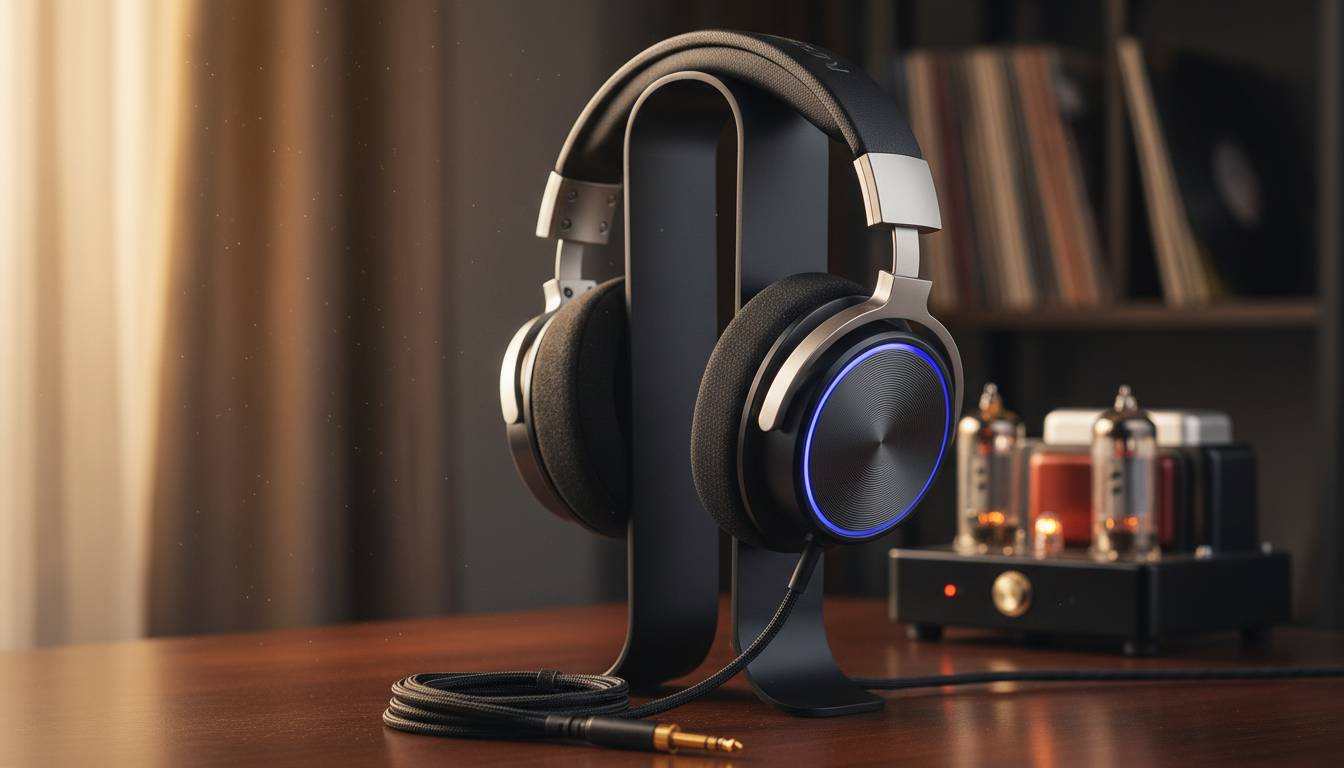
If you’ve ever stood in an electronics store or scrolled through an online retailer, you’ve likely wondered: what’s the actual difference between headphones and earphones? The terms get thrown around interchangeably, but they represent distinct categories of personal audio equipment with unique strengths and weaknesses. Understanding these differences can save you money, improve your listening experience, and help you choose the right tool for your lifestyle—whether you’re a commuter seeking portability, a gamer wanting immersive sound, or a music lover chasing premium audio quality.
What Are Headphones?
Headphones are audio devices that feature two ear cups connected by a band that sits over your head. The ear cups house the drivers (the speakers that produce sound) and are designed to rest on or around your ears, creating a seal that isolates you from external noise.
Traditional over-ear headphones completely enclose your ears with cushioned ear cups. On-ear headphones sit directly on top of your ears with smaller, more compact ear cups. Both designs typically feature padded headbands and adjustable fits to accommodate different head sizes.
The larger form factor allows manufacturers to incorporate bigger drivers—typically 30mm to 50mm in diameter—which generally translates to richer, more detailed sound reproduction. Premium headphone models from brands like Sony, Bose, Sennheiser, and Apple (AirPods Max) showcase advanced features such as active noise cancellation, spatial audio, and high-resolution audio certification.
Headphones connect via wired connections (3.5mm jack, USB-C, or 2.5mm balanced cables) or wirelessly through Bluetooth technology. The wired选项 often appeal to audiophiles seeking the lowest possible latency and maximum audio fidelity, while wireless models prioritize convenience and mobility.
What Are Earphones?
Earphones, commonly called earbuds or in-ear headphones, are compact audio devices designed to fit directly inside your ear canal or rest just outside it. Unlike headphones, they don’t require a headband or over-ear support structure.
The most common type, in-ear monitors (IEMs), feature silicone, foam, or memory foam tips that seal the ear canal. This seal provides passive noise isolation by blocking external sounds. True wireless earbuds like Apple AirPods, Samsung Galaxy Buds, and Sony WF-1000XM5 have become the dominant form factor in recent years, eliminating even the wire connecting the left and right earbuds.
Earphones typically use smaller drivers, ranging from 6mm to 15mm. While this smaller size historically meant compromised sound quality compared to headphones, modern advancements in driver technology, acoustic engineering, and digital signal processing have significantly narrowed this gap. Premium earphones from companies like Shure, Final Audio, and Technics now rival or exceed the audio performance of many over-ear headphones.
Sound Quality Differences
The most significant technical difference between headphones and earphones lies in sound quality potential, driven primarily by driver size and acoustic design.
Driver Technology
Headphones accommodate larger drivers that can move more air, producing deeper bass frequencies and more expansive soundstages. The soundstage refers to the perceived spatial dimension of audio—the feeling that you’re hearing instruments positioned around you in a three-dimensional space. Over-ear headphones naturally create a wider, more natural soundstage because the drivers sit at a distance from your eardrums, mimicking how speakers in a room create spacious audio.
Earphones, particularly in-ear models, sit directly in your ear canal, delivering sound more immediately to your eardrums. This proximity allows for efficient sound transfer and can produce excellent detail retrieval. However, the smaller drivers often struggle to match the bass extension and soundstage width of larger headphones.
Frequency Response and Bass
When comparing equally priced models, over-ear headphones generally deliver deeper, more impactful bass. The larger driver cone can move more air, creating that physical sensation of low-end frequencies that bass-heavy music genres demand. Many listeners describe headphone bass as “rumbling” or “punchy” versus the “tight” or “fast” bass character of earphones.
That said, well-designed earphones with good seal and quality drivers can produce surprisingly robust bass. The physical seal created by in-ear tips actually helps bass frequencies reach your ears more directly without escaping, potentially providing more perceived bass impact in noisy environments.
Noise Isolation and Cancellation
Both categories offer noise-blocking capabilities, but through different mechanisms.
Passive noise isolation occurs when the physical design blocks external sound. Over-ear headphones with well-cushioned ear cups naturally isolate by creating a barrier between your ears and the outside world. In-ear earphones achieve excellent passive isolation by sealing your ear canal—the best models can reduce external noise by 25-35 decibels.
Active noise cancellation (ANC) uses microphones and digital processing to cancel incoming sound waves. This technology has advanced dramatically and now appears in both premium headphones and earphones. Sony’s WH-1000XM5 headphones and WF-1000XM5 earphones both feature industry-leading ANC, though headphones generally achieve better results due to their larger form factor allowing more sophisticated processing hardware and larger batteries.
Comfort and Fit
Comfort preferences vary significantly between individuals, making this category highly personal.
Headphone Comfort
Over-ear headphones distribute weight across your entire head via the headband, with ear cups resting around (not on) your ears. This design typically allows for comfortable extended listening sessions—several hours without discomfort is common with quality models. The key factors include:
- Clamping force: How tightly the headband presses ear cups against your head
- Cushion material: Memory foam, protein leather, or fabric configurations
- Weight: Premium materials often mean heavier devices (250g-500g typical)
On-ear headphones press directly on your ears, which can cause discomfort during longer sessions for some users. They’re generally lighter and more compact than over-ear models, making them popular for travel despite the comfort trade-off.
Earphone Comfort
Earphones require a proper fit inside your ear canals, which presents unique challenges. The included ear tips come in various sizes (typically small, medium, large), and finding the right fit is crucial for both comfort and sound quality. Poorly fitting earphones can cause fatigue, fall out during movement, or create inconsistent sound.
True wireless earbuds have become remarkably comfortable thanks to compact designs and lightweight construction (typically 4-8g per earbud). Many users find them more comfortable than headphones for extended wear because they don’t create the “sweaty ears” sensation common with over-ear models.
Exercise and movement present a clear advantage for earphones—they stay in place during running, workouts, and daily commutes. Headphones can shift or fall off during vigorous activity, making earphones the practical choice for fitness enthusiasts.
Portability and Convenience
Modern lifestyles demand portable audio solutions, making this comparison particularly relevant for everyday decisions.
Headphone Portability
Traditional over-ear headphones rank lower on portability. They require carrying cases, don’t fit in pockets, and demand dedicated space in bags. However, many modern headphones feature foldable designs and come with protective cases that make transportation more manageable. The Bose QuietComfort 45 and Sony WH-1000XM5 both include fold-flat mechanisms specifically for travel convenience.
On-ear headphones generally offer better portability than over-ear models due to their smaller size, though they still require bag or purse space.
Earphone Portability
Earphones excel in portability. True wireless earbuds fit in pockets, hang around your neck, or clip to clothing. Their charging cases provide additional battery life while remaining pocket-sized. This convenience has driven their market dominance—true wireless earbuds account for the majority of personal audio sales in 2024.
The tradeoff is handling and potential loss. Small earbuds are easy to misplace, and the charging case represents another item to keep track of. Headphones, while less convenient to carry, are harder to lose.
Battery Life
| Type | Typical Battery Life | With Charging Case |
|---|---|---|
| Wireless Over-Ear Headphones | 20-40 hours | N/A (no case) |
| On-Ear Headphones | 15-30 hours | N/A |
| True Wireless Earbuds | 4-8 hours per earbud | 20-30 hours total |
Headphones generally offer significantly longer battery life per charge, a consideration for long flights or workdays. However, earphone charging cases provide portable power that keeps them running throughout the day.
Use Cases and Lifestyle
Choosing between headphones and earphones often comes down to how and where you’ll use them.
When Headphones Excel
Home listening and critical listening: If you’re setting up a desktop audio system or want the best sound for dedicated music sessions, over-ear headphones remain the standard choice for audiophiles and home studios.
Gaming: The immersive soundstage and comfort of gaming headsets (a headphone category) provide competitive advantages. Features like detachable microphones, surround sound, and chat mixing make headphones practical for extended gaming sessions.
Office and remote work: Over-ear headphones with ANC create focused work environments, and their visible presence signals availability (or unavailability) for conversation. Many professionals prefer them for all-day wear during work.
Long-haul travel: Superior battery life and ANC performance make premium noise-canceling headphones the travel companion of choice for international flights and long train journeys.
When Earphones Excel
Commuting: Compact size and pocket portability make earphones ideal for daily commuters. Their discrete profile doesn’t interfere with coats, scarves, or metro straps.
Exercise and fitness: Secure fits, sweat resistance, and minimal bulk make earphones the workout standard. Many models include ear hooks or fins specifically designed for active movement.
Casual listening: For casual music consumption, podcasts, or phone calls throughout the day, earphones offer convenient on-and-off use without the commitment of wearing full headphones.
Professional use: Musicians use in-ear monitors (a specialized earphone type) for stage performances, while content creators appreciate their unobtrusive appearance during video calls.
Price Considerations
Both categories span a massive price range, from budget options under $30 to premium models exceeding $500.
Headphone Price Tiers
| Tier | Price Range | Typical Features |
|---|---|---|
| Budget | $30-$80 | Basic wired or Bluetooth, decent sound, plastic construction |
| Mid-Range | $80-$250 | Good sound quality, comfortable padding, reliable Bluetooth |
| Premium | $250-$500 | Excellent audio, ANC, premium materials, advanced features |
| Audiophile | $300-$700+ | Reference-quality sound, open-back designs, high-resolution audio |
Earphone Price Tiers
| Tier | Price Range | Typical Features |
|---|---|---|
| Budget | $20-$50 | Basic true wireless, average sound, short battery life |
| Mid-Range | $50-$150 | Solid sound, decent ANC, good fit options |
| Premium | $150-$300 | Excellent audio, strong ANC, feature-rich apps |
| High-End | $250-$500+ | Audiophile-quality sound, premium materials, advanced codecs |
The good news: both categories offer excellent value in the $100-$200 range. You don’t need to spend flagship prices to get enjoyable, reliable audio.
Pros and Cons Comparison
Headphones
Advantages:
- Larger drivers deliver richer, more detailed sound
- More comfortable for extended listening sessions
- Longer battery life on wireless models
- Superior active noise cancellation in premium models
- Wider soundstage creates immersive listening experience
- Harder to lose than small earbuds
Disadvantages:
- Bulkier and less portable
- Can cause ear fatigue during very long sessions
- May create “sweaty ears” in warm conditions
- More expensive for equivalent audio quality
- Less practical for exercise and physical activity
Earphones
Advantages:
- Extremely portable and pocket-friendly
- Ideal for exercise and active lifestyles
- Discreet, low-profile appearance
- Modern models offer impressive sound quality
- Convenient for quick on-and-off use
- Often more affordable for equivalent quality
Disadvantages:
- Smaller drivers limit bass extension and soundstage
- Finding comfortable fit can be challenging
- Shorter battery life between charges
- Easier to misplace or lose
- ANC generally less effective than headphones
- Wire connectivity (on wired models) can be inconvenient
Frequently Asked Questions
Are earphones bad for your ears?
Both headphones and earphones can cause hearing damage if used at excessive volumes. In-ear earphones sit closer to your eardrums, meaning potentially louder sound reaches your ears at lower volume settings. The National Institute on Deafness and Other Communication Disorders recommends the 60/60 rule: listen at no more than 60% volume for no more than 60 minutes at a time, regardless of which device you use.
Which lasts longer: headphones or earphones?
With proper care, quality headphones typically last 5-10 years, while earphones average 2-5 years. Earphone longevity is limited by battery degradation (true wireless models), ear tip wear, and their smaller, more fragile construction. Headphones have replaceable ear pads and cables in many cases, extending their usable lifespan.
Can earphones match headphone sound quality?
Yes, premium earphones can match or exceed mid-range headphones in sound quality. High-end in-ear monitors from companies like Shure, Westone, and 64 Audio use multiple balanced armature drivers and sophisticated crossover networks to achieve reference-quality audio that rivals over-ear headphones. However, headphones still maintain advantages in soundstage width and bass extension.
Which is better for gaming?
For PC and console gaming, over-ear headphones remain the preferred choice. They provide better positional audio for competitive gaming, more comfortable extended wear, and features like detachable microphones and surround sound processing. However, many modern earphones support low-latency modes suitable for casual mobile gaming.
Do I need both headphones and earphones?
Many audio enthusiasts own both, using each for different situations. You might use premium headphones for dedicated music listening at home while carrying earphones for commuting and exercise. This combination approach lets you optimize for each listening scenario rather than compromising with a single device.
Are expensive headphones worth the cost?
Premium headphones offer better build quality, more comfortable materials, advanced features like spatial audio and multipoint connectivity, and generally superior sound quality. However, the law of diminishing returns applies heavily in audio—you’ll get 80% of the quality at half the price. Whether the remaining 20% justifies the cost depends on your priorities, budget, and how discerning your ears are.
Conclusion
The choice between headphones and earphones ultimately reflects your priorities: sound quality and comfort versus portability and convenience. Neither option is universally “better”—the right choice depends entirely on how, where, and when you’ll listen.
For home listening, long travel, and immersive experiences, over-ear headphones deliver superior audio performance and comfort. Their larger drivers create richer soundscapes, and their extended battery life supports marathon listening sessions. The tradeoffs—bulk and reduced portability—matter less in these contexts.
For daily commuting, workouts, and casual listening, earphones provide unmatched convenience. Their pocket-sized form factor and secure fits make them practical for active lifestyles, while modern true wireless models offer surprisingly capable sound quality.
Consider your primary use cases, evaluate your budget, and if possible, test both categories in person. Your ears will tell you which approach suits your life. Many audio enthusiasts eventually own both, leveraging each for its strengths—and there’s nothing wrong with building a small collection that serves different purposes.














Leave a comment