

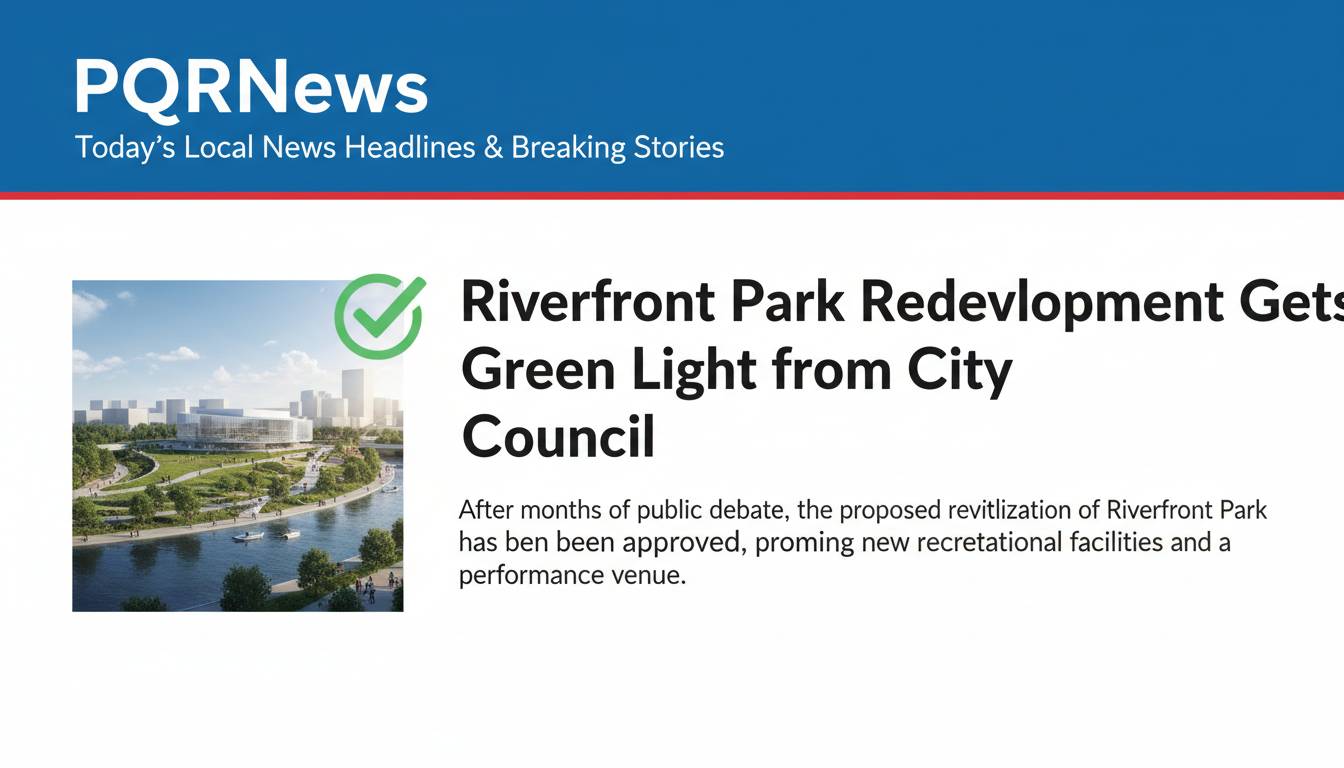
Every evening across America, people tune in to hear about the city council vote that could raise their property taxes, the high school championship game, or the new restaurant opening downtown. This is local news—and despite what you might hear about the death of journalism, it remains surprisingly alive, if not always well.
The Challenges Facing Local Papers
Local journalism has taken a beating over the past twenty years. Thousands of newspapers have closed, leaving many communities without a local paper—journalists call these “news deserts.” The business model that supported local news for decades, mostly advertising revenue, collapsed as classified ads moved to Craigslist and display ads went to Google and Facebook.
But here’s what the doom-and-gloom headlines often miss: local news isn’t disappearing entirely. It’s mutating. Some places have seen nonprofit newsrooms pop up. Others have digital-only outlets run by a handful of dedicated journalists. Local television and radio still serve many communities. The picture is uneven—some areas have lost almost everything, while others have found new ways to keep citizens informed.
What hasn’t changed is why local news matters. When your city council votes on a zoning permit for a new apartment complex, when the school board debates curriculum changes, when the local factory announces layoffs—that’s where local journalists come in. They sit through those meetings so you don’t have to, then explain what it means for your neighborhood.
What Local Reporters Actually Do
The work sounds unglamorous, and mostly it is. Local reporters cover city hall, the cops, the schools, and whatever else is happening around town. They build relationships with sources over years, learning who to trust and how things actually work in their community. This institutional knowledge is hard to replace.
During emergencies, local news becomes essential. When a tornado hits or floods sweep through, people turn to their local TV station or newspaper for specific, actionable information—which roads are closed, where shelters are open, when power might come back. National outlets can’t provide that granularity.
Education coverage is another area where local news shines. Parents care deeply about what’s happening in their kids’ schools, but school board meetings are often poorly attended and harder to follow than national politics. Local reporters translate those debates into plain language, tracking budget fights, teacher shortages, and test scores that matter to families.
And yes, they cover high school sports too. Seems trivial until you consider that these games are often the biggest events in town, the thing that brings communities together. The local paper covering your kid’s game matters in a way that ESPN never will.
The Digital Shift
Local news has followed everyone else online. Most papers now have websites, social media accounts, and some kind of email newsletter. Younger audiences especially get their news from Facebook or from apps on their phones.
This has created new challenges. Newsrooms are smaller than they used to be—the industry has lost tens of thousands of jobs—so reporters are asked to do more with less. Some outlets have turned to automation for basic stories like sports scores or financial reports, though this raises questions about quality and context.
Social media cuts both ways. It helps outlets reach readers directly, but algorithms tend to reward sensational or divisive content. A boring but important story about municipal budget problems might get buried while a quirky animal rescue video goes viral. Local journalists have to navigate this while trying to serve their actual community.
What’s Next
The future is genuinely uncertain. Some promising experiments exist—membership programs where paying readers get special access, events that bring journalists and readers together, collaborations between outlets to share resources. But there’s no guarantee any of this adds up to a sustainable model.
One thing seems clear: the communities that will weather this storm best are those that value having someone watching local power on their behalf. That means subscribing, sharing, and engaging. Local news isn’t a product you passively consume—it’s a civic resource that requires support to survive.
Whether it’s delivered on paper or on a screen, someone in your community is still showing up to those boring meetings, asking uncomfortable questions, and writing stories about the things that affect your block. That work matters, even when it doesn’t always feel like it.















Leave a comment