

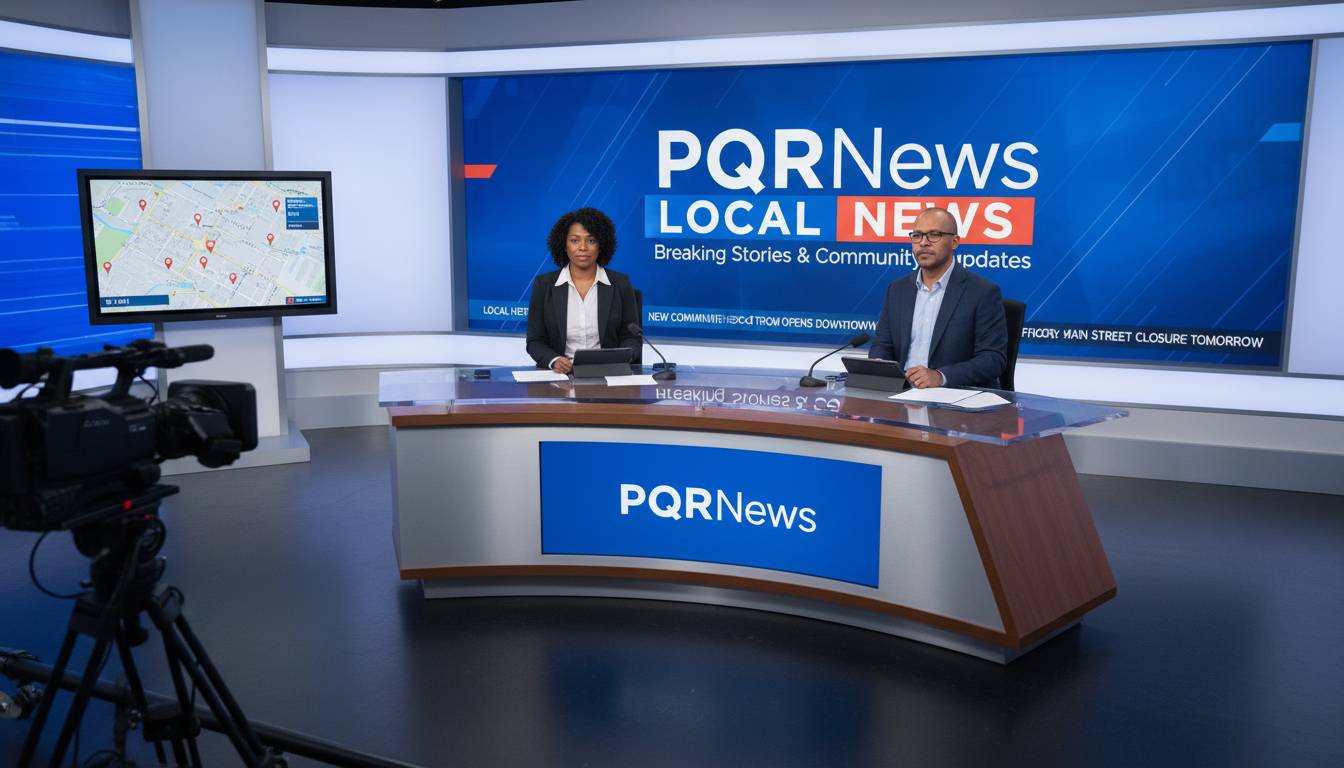
Local news has always been the quiet workhorse of journalism. While national outlets chase the flashiest headlines, community newspapers and websites are covering city council meetings, high school playoff games, the diner that just opened downtown, and the road closure that will mess up your commute for the next three weeks. This is the stuff that actually affects how people live their daily lives.
PQRNews Local News has spent years covering these kinds of stories in communities across the country. The work isn’t glamorous, but it matters. When your city council votes on a new budget, when the school board debates curriculum changes, when a local factory announces layoffs—someone needs to be there to explain what happened and why it matters. That’s what local news does.
What Local Journalism Actually Does
Local news serves a few core functions that often get lost in discussions about the industry.
Keeping government honest is probably the most important. Local reporters sit in on public meetings, file records requests, and dig into how taxpayer money gets spent. This isn’t glamorous work, but it’s essential. When something goes wrong at city hall, it’s usually a local reporter who finds out first.
Beyond accountability, local news also helps communities function. People learn about events, discover new businesses, and find out about volunteer opportunities through local coverage. It’s the connective tissue that helps neighbors find each other.
Research from journalism schools suggests that people who read local news are more likely to vote in local elections and participate in community life. The connection isn’t hard to understand—when you know what’s happening around you, you’re more likely to get involved.
What PQRNews Covers
The scope of local news is broader than many people realize:
Government and politics takes up significant resources. City councils, county commissions, school boards—these bodies make decisions that directly affect property taxes, zoning, local schools, and public services. Local news explains what these officials are doing and how residents can have a voice.
Business coverage includes everything from new store openings to economic development projects to layoffs. This information helps consumers make choices and helps job seekers find opportunities.
Education news matters deeply to parents and taxpayers. School board meetings, budget decisions, classroom innovations, and student achievements all fall under this umbrella.
Sports coverage celebrates student athletes and community leagues. For many readers, high school sports coverage is the most consistent reason they pick up a local paper or visit a local website.
Arts and culture gets overlooked by national outlets but matters to communities. Local performances, gallery openings, festivals, and community events enrich neighborhood life.
How Digital Changes Have Affected Local News
The past twenty years have been rough for local journalism. Print advertising—the financial foundation on which most local papers were built—has declined dramatically. Classified ads moved to Craigslist. National advertisers discovered Google and Facebook. Many local papers never found a way to replace that revenue.
PQRNews Local News has adapted by offering content through websites, email newsletters, and social media. Readers can now access stories on their phones, which is convenient. The digital transition also enabled new kinds of interaction—readers can comment, share stories, and send in tips more easily than in the print era.
But the economics remain challenging. Digital advertising pays far less than print advertising ever did. Many local outlets have cut staff. Some have closed entirely. The communities that lose local news coverage often see consequences: lower voter turnout, less accountability for local officials, and reduced awareness of community issues.
Why This Matters Now
The challenges facing local news aren’t just abstract industry problems—they have real effects on communities.
When local news covers an election thoroughly, more people vote. When reporters investigate local government, officials behave better. When residents read about community issues, they find ways to get involved. These connections have been documented repeatedly by researchers studying civic life.
Local news also catches stories that national outlets miss entirely. A contaminated water supply in a small town. A pattern of racial profiling by local police. Misuse of public funds by a county official. These stories might never surface without local journalists paying attention.
What Comes Next
The local news industry is in a period of experimentation. Some outlets have succeeded with subscription models, where readers pay directly for coverage. Others have become nonprofit organizations funded by donors. Some have partnered with universities or community foundations.
Technology offers some hope. Data analysis tools help reporters find patterns in public records. Mobile formats reach readers where they are. Social media, despite its problems, can amplify local stories to audiences that might never have found them.
Policy discussions continue about how to support local journalism. Some proposals involve tax incentives for subscriptions. Others explore requiring platforms to share advertising revenue with news outlets. Nothing concrete has emerged yet, but the conversation has gotten louder.
Looking Forward
Local news isn’t going to disappear entirely. People need information about their communities, and someone will always provide it—even if the delivery mechanisms change.
What remains unclear is whether the traditional model can survive in a form that provides comprehensive coverage. Many communities already have less local news than they did twenty years ago. The trend line isn’t encouraging.
For readers, the practical advice is simple: pay attention to local coverage when it’s available. Subscribe if you can afford it. Share stories that matter. Submit tips about what’s happening in your neighborhood. Local news depends on community support more than ever.
The stories covered by local journalists—the city council vote, the high school championship, the new business downtown—may never trend on social media. But they shape how people experience their communities. That relevance won’t disappear, even as the industry continues to change.
















Leave a comment