

Introduction
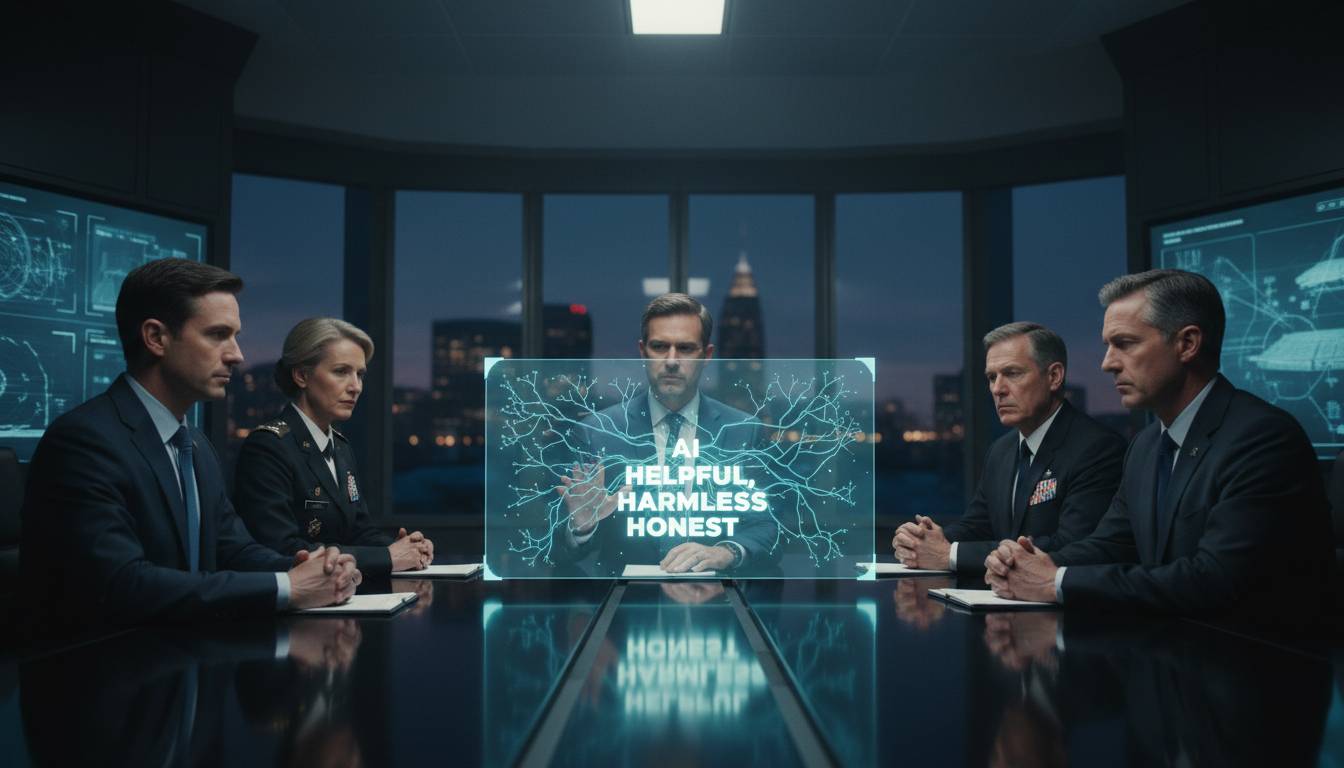
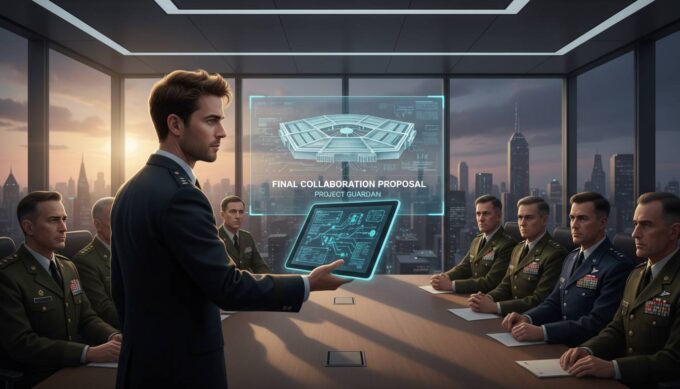
Dario Amodei, CEO of Anthropic, is reportedly renewed discussions with the Pentagon, according to multiple industry sources. These talks represent a significant moment in the ongoing dialogue between leading AI companies and U.S. defense agencies, as the industry grapples with questions about AI safety, national security, and the appropriate boundaries of military AI applications.
Background: Dario Amodei and Anthropic’s Government Relations
Dario Amodei co-founded Anthropic in 2021. The company positioned itself as a prominent player in AI safety and research, distinguishing itself from other AI companies by emphasizing safety research and responsible AI development. Anthropic’s flagship product, Claude, competes with other large language models by focusing on constitutional AI approaches and human-aligned values.
Anthropic has prior engagement with government agencies. The company has participated in AI safety initiatives, responded to regulatory inquiries, and contributed to policy discussions. Amodei has testified before Congress and engaged with regulatory bodies.
The relationship between AI companies and defense agencies has evolved over the past several years. Early concerns about autonomous weapons have given way to discussions about how AI might assist human decision-making in defense contexts, improve logistics, enhance cybersecurity, and support non-combat military applications.
The Nature of Pentagon-AI Industry Collaborations
The Pentagon has sought relationships with leading AI companies to integrate advanced technologies into military operations. These collaborations include research partnerships, contract engagements, and advisory relationships. The Department of Defense has established programs aimed at leveraging commercial AI advancements, recognizing that many cutting-edge developments occur in the private sector.
Current areas of potential collaboration include predictive maintenance for military equipment, enhanced cybersecurity systems, intelligence analysis support, and logistics optimization. The Department of Defense has also shown interest in AI systems for disaster response, humanitarian operations, and other non-combat scenarios.
These collaborations remain controversial within the AI research community and among privacy advocates. Concerns about autonomous weapons, surveillance applications, and accountability when AI systems are involved in military decisions generate significant debate. Several AI researchers have expressed reservations about military applications, arguing that partnerships could contribute to an AI arms race or enable human rights violations.
Industry Reactions and Expert Perspectives
The AI industry’s response to government and military collaboration has been mixed. Some executives and researchers argue that engagement with defense agencies is necessary and responsible, suggesting that AI companies should help ensure AI technology is developed safely within government contexts. Others have taken stronger positions against military applications, citing ethical concerns and potential reputational risks.
Dr. Sarah Chen, a technology policy researcher at Stanford University, said: “The conversation around AI and defense has matured significantly over the past few years. We no longer see a binary choice between complete isolation and unconditional cooperation. There’s a growing recognition that thoughtful engagement with appropriate safeguards can advance both security interests and AI safety goals.”
Industry analysts note that decisions to engage with government agencies involve complex considerations. Reputational concerns, employee relations, regulatory relationships, and competitive positioning all factor into these decisions. Companies perceived as too close to military or intelligence agencies may face criticism from privacy advocates and portions of their user base.
Regulatory Framework and Oversight Considerations
The regulatory environment surrounding AI and defense collaboration continues to develop. The Department of Defense has implemented requirements for AI systems used in military contexts, though critics argue these requirements remain insufficient.
Congress has shown increasing interest in AI governance, with multiple hearings and proposed legislation addressing AI development and deployment. The establishment of the National AI Initiative Office and various executive orders on AI have created additional frameworks for government-industry interaction.
International considerations also play a role. The United States is engaged in conversations with allied nations about AI governance and defense applications, seeking to maintain competitive advantages while establishing international norms around AI use in military contexts.
Implications for AI Safety and Development
The intersection of AI development and defense applications raises important questions for the AI safety community. Critics of military collaboration argue that partnerships could divert resources and attention from safety-focused research. Proponents counter that engaging with defense agencies provides an opportunity to promote safety-focused approaches and ensure AI systems are developed with appropriate safeguards.
Anthropic has positioned itself as committed to AI safety, and the company’s approach to government engagement will likely reflect this orientation. The specific nature of Pentagon discussions—whether they involve research collaboration, policy advice, or other forms of engagement—will provide signals about Anthropic’s priorities.
The broader question of how AI companies should balance commercial interests, safety commitments, and societal responsibilities remains unresolved. Each company approaches these tradeoffs differently.
Future Outlook and Industry Trajectory
The relationship between AI companies and defense agencies will likely continue evolving. Government interest in AI company partnerships will persist due to the strategic importance of AI capabilities, while ongoing debates about appropriate boundaries will shape how these relationships develop.
For Anthropic, the reportedly renewed discussions with the Pentagon represent one element of a broader strategy for navigating AI governance, commercial development, and societal responsibility. The company’s approach will be watched closely by industry observers, competitors, regulators, and advocacy groups.
The AI industry continues to grapple with fundamental questions about the appropriate scope of technology development and deployment. As AI systems become more capable, these questions will become more pressing.
Conclusion
The reported renewal of discussions between Dario Amodei and the Pentagon reflects the ongoing intersection of AI development and national security interests. As AI capabilities continue to advance, the dialogue between leading AI companies and government agencies will likely intensify.
The situation remains fluid, with multiple stakeholders watching to understand the nature and implications of any emerging partnerships. What is clear is that decisions made by AI company leaders regarding government engagement will have significant implications for the industry’s future and the development of AI governance frameworks.
Frequently Asked Questions
What is the current status of Dario Amodei’s discussions with the Pentagon?
Reports indicate that Dario Amodei has renewed talks with Pentagon officials. The specific details and current status remain unclear. The conversations appear to focus on potential areas of collaboration between Anthropic and defense agencies, though no formal agreements have been publicly announced.
Why are AI companies engaging with defense agencies?
AI companies engage with defense agencies for various reasons: contributing to national security, shaping AI policy and regulation, maintaining favorable regulatory relationships, and exploring potential commercial opportunities. Defense agencies are increasingly interested in leveraging advanced AI capabilities.
What are the concerns about AI-military collaborations?
Critics raise concerns about autonomous weapons, potential human rights violations, the acceleration of an AI arms race, and accountability when AI systems are involved in military decisions. Privacy advocates and some AI researchers have expressed reservations about such collaborations.
How is AI safety considered in defense applications?
AI safety in defense contexts involves ensuring human oversight of AI-driven decisions, establishing clear accountability frameworks, and implementing safeguards against unintended consequences. Specific safety approaches vary depending on the application and company policies.
What regulatory frameworks govern AI-defense collaborations?
Current regulations include Department of Defense requirements for AI systems, along with broader AI governance frameworks from executive orders and congressional legislation. The regulatory landscape continues to evolve.
What might the future hold for AI company relationships with defense agencies?
The relationship will likely continue developing, with increased collaboration in logistics, cybersecurity, and support functions, while debates continue about more controversial applications. The trajectory will depend on regulatory developments, industry practices, and broader societal attitudes toward AI technology.










Leave a comment