

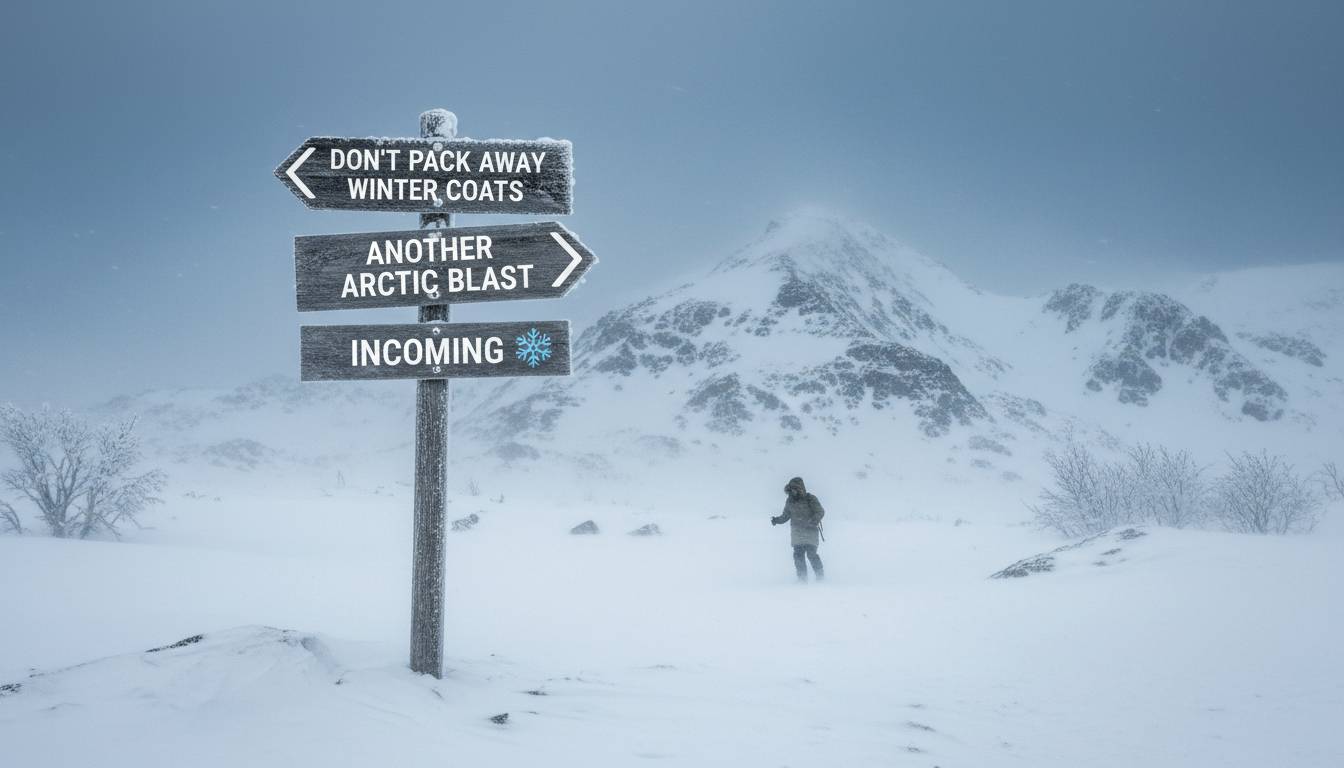
A cold snap is sweeping across much of the United States this week, bringing dangerously low temperatures, heavy snow, and hazardous travel conditions to millions of residents from the Midwest to the East Coast. Meteorologists are urging Americans to keep their winter gear accessible as the bitter cold arrives ahead of schedule, potentially breaking records in several regions.
The National Weather Service has issued winter storm warnings and cold weather advisories for at least 25 states. Temperatures could drop 20 to 40 degrees below seasonal averages. The incoming air mass, originating from the polar vortex, is expected to create life-threatening wind chills that could feel as cold as 50 degrees below zero in some northern areas.
“This is going to be a significant cold event that everyone needs to take seriously,” said James Thornton, a meteorologist at the National Weather Service’s Climate Prediction Center. “We’re looking at widespread temperatures that haven’t been seen this early in the season for decades in some locations. People should not be fooled by the relatively mild weather we’ve experienced so far this winter.”
When Will the Arctic Blast Arrive?
The cold front begins its southward journey from Canada on Tuesday, with the deepest freeze settling in by Thursday and lasting through the weekend. The system will first impact the northern Plains and Great Lakes region before spreading eastward.
According to forecast models from the National Weather Prediction Center, Minneapolis could drop to 15 below zero by Thursday night, with wind chills reaching 40 below. Chicago is expected to see highs barely above zero on Friday, while Boston may struggle to reach 15 degrees on Saturday.
The arctic outbreak will bring a rapid temperature drop of 30 to 50 degrees within a 24-hour period across the central United States. Areas from Montana to Texas will experience the sharp decline, with overnight lows falling into the single digits and teens as far south as Oklahoma and Arkansas.
“People need to understand that this isn’t just a typical cold snap,” said Dr. Sarah Mitchell, a climate scientist at the University of Colorado. “This is an atmospheric pattern that pulls extremely cold air directly from the Arctic Circle. The speed at which temperatures will fall will catch many people off guard.”
How Cold Will It Get?
More than 200 million Americans will experience below-freezing temperatures during this arctic blast. The coldest air will concentrate in the northern tier of states, where daytime highs may remain below zero for consecutive days.
In the Midwest, cities like Minneapolis, Milwaukee, and Detroit are forecast to see overnight lows between 15 and 25 below zero. The Great Lakes region will face brutal cold along with significant lake-effect snow, with some areas potentially receiving 12 to 18 inches of snow through the weekend.
The eastern seaboard will experience a more moderate but still significant cold event. New York City is expected to see temperatures in the teens and low 20s, while Philadelphia and Washington, D.C., will hover in the upper 20s and low 30s. However, wind gusts of 30 to 40 miles per hour will make it feel much colder.
Southern states that rarely see extreme cold will also be affected. Parts of Texas, Louisiana, Mississippi, and Alabama are forecast to experience temperatures in the 20s and 30s, which could cause problems for infrastructure and agriculture not designed for such conditions.
“This cold air mass is exceptionally dense and powerful,” said Robert Chen, a meteorologist at Weather.com. “We’re seeing temperature anomalies that are 15 to 25 degrees below normal across a massive swath of the country. Even areas that are accustomed to cold weather will find this event challenging.”
Safety Tips for the Cold Snap
Health officials are warning residents to take precautions against frostbite and hypothermia, which can occur within minutes under extreme conditions. The Centers for Disease Control and Prevention recommends dressing in multiple layers, covering exposed skin, and limiting time outdoors during the coldest periods.
The American Red Cross has activated emergency response teams and opened warming shelters in several states. Officials advise checking on elderly neighbors and vulnerable populations, ensuring adequate heating supplies, and having emergency plans in place.
“Wind chill is the real danger here,” said Dr. Amanda Foster, an emergency medicine physician at Johns Hopkins Hospital. “Frostbite can occur on exposed skin in as little as 10 minutes when wind chills drop below minus 20. Everyone needs to cover every inch of skin when going outside.”
Homeowners should take steps to prevent frozen pipes by allowing faucets to drip slightly and opening cabinet doors to allow warm air to circulate around plumbing. Those using space heaters should keep them at least three feet away from flammable materials and never leave them unattended.
Pet owners should bring animals indoors or provide adequate shelter with fresh water that won’t freeze. The Humane Society recommends limiting outdoor walks to brief bathroom breaks and using pet-safe booties to protect paws from ice and salt.
Impact on Infrastructure and Daily Life
The arctic blast will disrupt daily life across multiple sectors. School districts in Minnesota, Wisconsin, Michigan, and other hard-hit states are preparing for potential closures, with some considering switching to virtual learning for the latter part of the week.
Energy grids are expected to face record demand as heating systems run continuously. The Electric Reliability Council of Texas has issued conservation appeals, asking residents to reduce electricity usage during peak morning and evening hours. Natural gas prices have already spiked in anticipation of heightened demand.
“We are closely monitoring grid conditions and have pre-positioned additional generation resources,” said Maria Rodriguez, an Energy Department spokesperson. “We encourage everyone to practice conservation measures, but there is currently no expectation of rolling outages.”
Air travel will likely face significant delays and cancellations, particularly at hub airports in Chicago, Denver, Minneapolis, and Atlanta. Airlines are waiving change fees for affected flights, and passengers are advised to check their itineraries frequently.
Road conditions will deteriorate rapidly as temperatures plunge. The combination of snow, ice, and wind-blown debris will make driving hazardous, especially on untreated roads and bridges. Transportation officials in multiple states are pre-treating major highways with salt and brine solutions.
“People need to adjust their expectations this week,” said Transportation Secretary Pete Buttigieg. “If you don’t need to travel, please stay home. If you must drive, make sure your vehicle is winterized, and carry an emergency kit with blankets, food, and water.”
Historical Context and Climate Patterns
This arctic blast fits into a pattern of extreme winter weather events that have become more frequent in recent years, according to climate researchers. While a single weather event cannot be directly attributed to climate change, scientists note that polar vortex disruptions appear to be occurring more often.
“Research suggests that warming temperatures in the Arctic may be weakening the polar vortex, making it more susceptible to disruptions that allow cold air to spill south,” Mitchell said. “We’re seeing these extreme cold events happen more regularly, even as overall winter temperatures trend warmer.”
The upcoming blast is not expected to match the severity of the February 2021 Texas grid crisis, which caused widespread power outages and hundreds of deaths. However, experts say the combination of early-season cold, ongoing energy supply concerns, and pandemic-related staffing challenges in essential services warrants heightened vigilance.
“This will be the coldest air we’ve seen this season, and perhaps the coldest in several years for some areas,” Thornton said. “Given that this is early winter, many people may not be fully prepared. We cannot stress enough how important it is to take this seriously.”
What to Expect Moving Forward
The current forecast indicates the arctic blast will peak between Thursday and Sunday, with gradual moderation expected by early next week. However, long-range models suggest another cold system may follow quickly behind this one, potentially keeping temperatures below normal for the majority of the month.
“The pattern we’re seeing suggests this won’t be a one-time event,” Chen said. “We may be entering an extended period of cold weather that could last through the end of January. People should prepare for the possibility of additional arctic outbreaks.”
Climate outlooks from the National Weather Service’s Climate Prediction Center favor below-normal temperatures for the northern and central United States through at least mid-January. This outlook aligns with La Niña conditions in the Pacific Ocean, which historically correlate with colder-than-average winters in the northern tier of states.
Conclusion
Another arctic blast is preparing to engulf much of the nation, reminding Americans that winter is far from over. The incoming cold front brings dangerously low temperatures, significant snow accumulation, and potentially life-threatening conditions across a wide swath of the country.
Residents in affected areas should take immediate steps to prepare: stock up on essential supplies, protect pipes and infrastructure, check on vulnerable neighbors, and limit outdoor exposure during the coldest periods. With proper preparation and vigilance, the impacts of this extreme weather event can be minimized.
The message from meteorologists is clear: don’t put away those winter coats just yet. This arctic blast shows that winter weather demands respect and readiness, regardless of what the calendar might suggest.
Frequently Asked Questions
When exactly will the arctic blast arrive in my area?
The cold front begins moving southward from Canada on Tuesday, with the deepest cold settling in by Thursday through the weekend. Northern states experience the worst conditions first, followed by the eastern seaboard and southern regions by the weekend.
How long will this cold snap last?
The initial arctic blast lasts approximately four to six days, with the coldest conditions occurring between Thursday and Sunday. Long-range forecasts suggest temperatures may remain below normal for most of January, with the potential for additional cold outbreaks.
What are the most dangerous aspects of this weather event?
The primary dangers include frostbite and hypothermia from extreme wind chills, icy road conditions leading to travel accidents, frozen pipes causing property damage, and strain on energy grids leading to power outages. The combination of extremely cold temperatures and strong winds makes this event particularly hazardous.
How can I prepare my home for these temperatures?
Insulate exposed pipes, let faucets drip to prevent freezing, open cabinet doors to circulate warm air, check heating systems, and stock up on emergency supplies. If using space heaters, keep them away from flammable materials and never leave them unattended. Ensure you have adequate blankets and emergency supplies in case of power outages.
Should I be concerned about my energy bills during this cold snap?
Energy costs will likely increase significantly as heating systems run constantly. Consider lowering thermostats slightly when away from home, sealing drafts around windows and doors, and using weather stripping where needed. Some utility companies offer budget billing programs that average costs over the year.
Will schools and businesses close during this weather event?
School closures are likely in the hardest-hit regions, particularly in the Midwest and northern Plains. Many businesses may allow employees to work from home or adjust hours. Check with local authorities and employers for specific announcements, and monitor weather alerts for real-time updates.













Leave a comment