

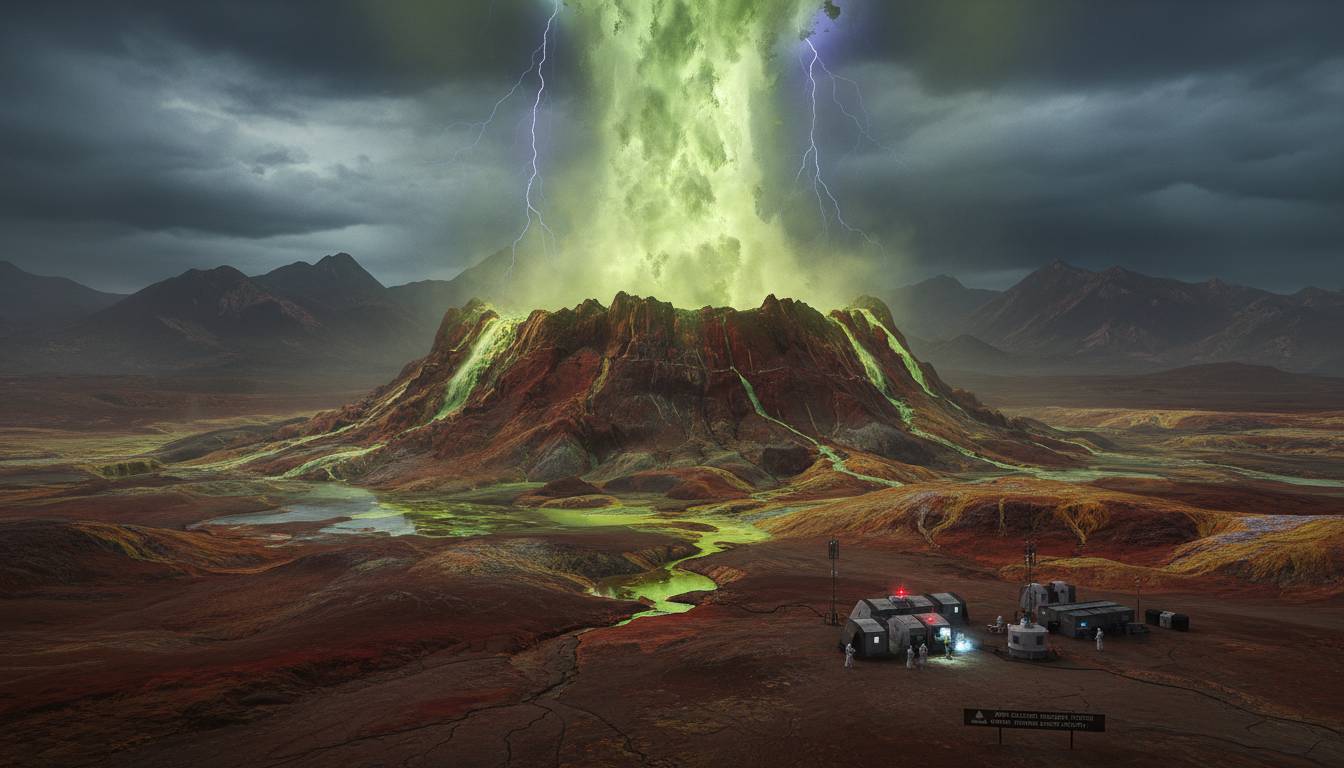
Yellowstone National Park’s Steamboat Geyser, the world’s tallest active geyser, has erupted again after months of silence. The spectacle drew crowds of visitors and geologists alike to the Norris Geyser Basin, the hottest and most unstable thermal area in the park.
The recent eruption sent water soaring past 300 feet, reaffirming Steamboat’s status as the world’s largest active geyser by both height and volume. Park officials confirmed the eruption sequence lasted roughly 40 minutes, with multiple powerful water bursts followed by steam that was visible from miles away.
The Norris Geyser Basin
The Norris Geyser Basin sees thousands of small earthquakes every year. This constant seismic activity heats underground water reservoirs from the magma chamber deep below. The recent eruption happened after hydrothermal pressure built up over months, finally breaking through mineral deposits that had blocked the main vent.
Visitors reported hearing the geyser’s roar well before any visible steam appeared above the tree line. Many described the experience as awe-inspiring—and a little intimidating.
Why Geysers Go Dormant
Geysers work on simple principles—water, heat, constriction—but predicting when they’ll erupt is notoriously difficult. Steamboat’s quiet periods have ranged from just four days to fifty years.
“The channels that carry water and steam to the surface can become blocked by silica deposits,” explained Dr. Michael Poland, scientist-in-charge at the Yellowstone Volcano Observatory. “When these blockages form, pressure builds until either the system clears itself or finds an alternative pathway.”
This explains why Steamboat tends to erupt in clusters rather than on any regular schedule. Periods of frequent activity often give way to extended quiet phases.
What Makes Steamboat Unique
Unlike Old Faithful, which erupts with clockwork reliability, Steamboat has never shown a predictable pattern. Its water columns routinely exceed 300 feet—taller than any other geyser on Earth.
The acidic water sets it apart even from other Yellowstone geysers. Norris Basin contains some of the most chemically active thermal features in the park, with water temperatures exceeding 200°F and pH levels well below neutral. This acidity comes from heated water mixing with volcanic gases and surrounding rock.
Major eruptions deposit silica and other minerals across the surrounding terrain, gradually reshaping the landscape. These formations remain visible for decades.
Impact on Park Operations
Steamboat eruptions force park officials to temporarily close portions of the Norris Geyser Basin. The Back Basin trail passes within several hundred feet of the active vent, and boiling water can reach the boardwalk during major eruptions.
The National Park Service monitors the basin with thermal sensors, ground deformation instruments, and webcams. When Steamboat erupts, rangers immediately activate safety protocols and update visitors through official channels.
For many visitors, witnessing a Steamboat eruption is the highlight of their Yellowstone trip—even though such events cannot be guaranteed or predicted.
Expert Analysis
Geologists acknowledge they cannot reliably forecast future eruptions, but the recent activity fits a pattern that began in 2018, when Steamboat woke from its thirty-four-year dormancy—the longest on record.
Dr. Lauren McCarthy, a geothermal researcher at Yellowstone, emphasized that geyser activity does not signal increased volcanic danger. “Geyser behavior reflects changes in the hydrothermal system, which is separate from the deeper magma chamber that would drive volcanic eruptions,” she said.
Researchers expect Steamboat to continue its unpredictable pattern. Active periods typically last several years before another long dormancy may occur—but nobody knows when.
How tall does Steamboat Geyser erupt?
Water columns can exceed 300 feet (90 meters), with some eruptions approaching 400 feet.
Why is it considered acidic?
The water comes from Norris Geyser Basin, where underground water mixes with volcanic gases and heated rock, producing pH levels significantly below neutral.
How long was it dormant before this eruption?
Dormancy periods have ranged from four days to fifty years. The most recent long quiet period lasted thirty-four years, ending in 2018.
Is increased activity a sign of volcanic danger?
No. Geyser activity reflects the shallow hydrothermal system, not the deeper magma chamber. Scientists monitor both separately.
Can visitors predict eruptions?
No. Unlike Old Faithful, Steamboat operates on no predictable schedule.
Where is it located?
In the Norris Geyser Basin, accessible via the Back Basin trail when conditions permit.













Leave a comment