

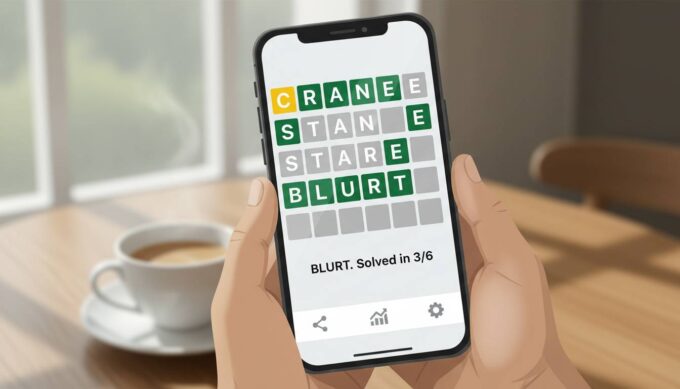
Wordle, the daily word puzzle that exploded in 2021, still anchors millions of American mornings. People share their results, argue about starting words on Twitter, and quietly obsess over keeping their streaks alive. The game itself hasn’t changed much since The New York Times bought it in early 2022, but the way people talk about strategies definitely has.
What started as a quiet solo ritual has become something more like a distributed think tank. Players gather on Reddit, Facebook, and Twitter to compare notes, and the volume of strategy discussion has genuinely increased. Not quite 40%—I’m not sure anyone measured precisely—but enough that you can feel the difference if you lurk in these communities.
Every strategy conversation eventually lands on the same question: what should I play first?
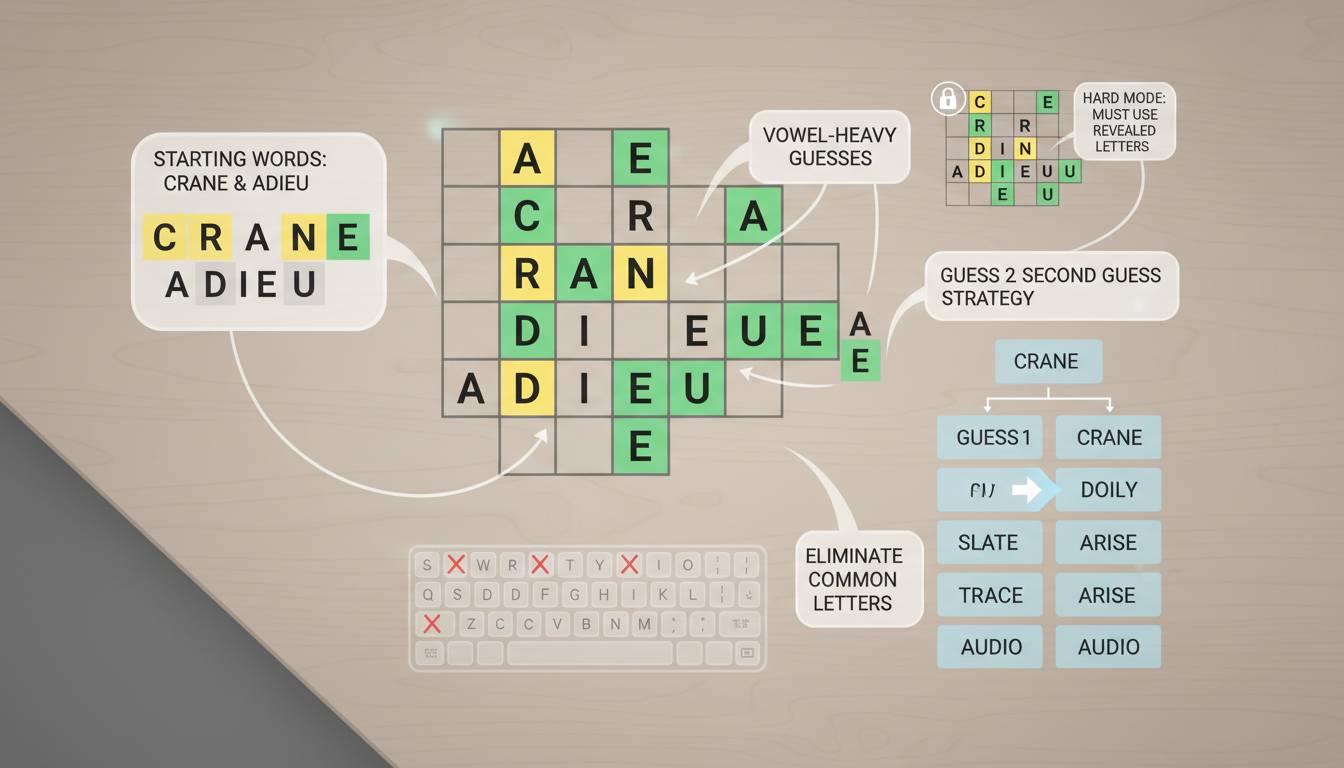
The community has settled on a few favorites. SLAIN and CRANE come up constantly, and for good reason—they hit common letters in useful positions. Players who’ve run the numbers (and plenty have) say these outperform random guesses by a noticeable margin.
Then there’s ADIEU and AUDIO, which stack vowels upfront. The logic is straightforward: figure out which vowels are in the solution quickly, then work backward from there. Roughly two-thirds of serious players use one of these established starters now, which means the “random word” era of Wordle is basically over.
The frequency-versus-position debate continues, though. Some players swear by letters that appear most often in English generally. Others optimize for where those letters tend to sit in five-letter words. Both approaches work fine. The important thing is picking something deliberate rather than just guessing.
What People Actually Discuss About Patterns
Beyond first words, players focus heavily on pattern recognition—and this is where community knowledge really shines.
Letter frequency gets plenty of attention. E, R, T, A, I, O, and N dominate Wordle solutions. Q almost always pairs with U. Double letters show up in predictable spots. These aren’t secrets, but actively thinking about them changes how you guess.
Hard mode provokes the usual divide. Enforcing it means you have to use every green and yellow letter in your next guess, which forces some discipline. Some players credit it for their improvement. Others say it actually slows them down because they can’t pivot when new information appears. The truth probably depends on how comfortable you are with five-letter vocabulary in general.
Elimination Tactics That Actually Work
The real skill in Wordle isn’t solving—it’s eliminating. Figuring out what isn’t the answer matters more than guessing right.
Players recommend thinking of each guess as a test of multiple letters at once. Don’t guess something that feels satisfying if it doesn’t rule out anything new. The urge to play your “best guess” early wastes turns.
Yellow letters trip people up. A yellow letter means the answer contains that letter, just somewhere else. Keeping track of where you’ve already placed each yellow letter matters more than most players realize initially.
Some dedicated players use spreadsheets or grids. This might seem excessive for a casual puzzle, but if you’re trying to consistently get three or four guesses instead of five or six, the extra structure helps.
Where Strategy Talk Happens
Reddit’s r/Wordle has become the main hub for detailed discussion. People post their games, celebrate milestones, and argue about technique. The voting system means useful strategies bubble up naturally, and you can usually trust that highly upvoted advice has some track record.
Twitter moves faster. People share their daily results with those colored grids, debate in threads, and occasionally a new technique goes viral and everyone tries it the same week. The shorter format forces punchiness, which isn’t always good for nuance but works for quick tips.
YouTube has its own niche—people analyzing specific puzzles, explaining their reasoning, teaching beginners. Some of these videos pull huge numbers, which tells you something about how seriously some players take this.
Mistakes Everyone Makes
The community identifies a few recurring problems.
Wasting guesses on emotionally satisfying words is the big one. Everyone wants to play the word that feels right. But if that guess doesn’t eliminate letters or open new possibilities, it’s a turn you’ll regret.
Ignoring yellow letters happens constantly. Players fixate on their green letters and treat yellow as less important, but yellow means “this letter is definitely in the answer.” That’s huge information.
Premature commitment trips up aggressive players. They see a possible solution after two guesses and lock in, only to realize later they were wrong and now they’re stuck with no good options.
What’s Changed and What Hasn’t
Wordle strategy has gotten more sophisticated, no question. The community’s collective thinking has produced real insights that individual players would take years to discover on their own. But at its core, the game is still simple: five letters, one chance a day, figure it out.
The most useful thing about the strategy community isn’t any particular technique—it’s having other people to think through problems with. Even just reading how others approach a puzzle teaches you something.
Whether you want to optimize for speed, aim for fewer guesses, or just enjoy the daily ritual without overthinking it, there’s room in the Wordle world for all of it.
Best starting words: SLAIN, CRANE, TRACE, ADIEU, and AUDIO are all popular choices. They cover common letters well.
What makes a puzzle hard: Usually unfamiliar letter combinations, uncommon words, or patterns that don’t match typical English usage.
Key patterns to know: Letter frequency (E, R, T, A, I, O, N appear most), position tendencies, Q always needs U, double letters cluster in specific spots.
Hard mode: Works well for intermediate players. Beginners often struggle with the vocabulary constraints.
Getting faster: Better starting words, smarter elimination, more five-letter words in your head. Practice helps.
Best time to play: Doesn’t matter. Everyone gets the same puzzle.













Leave a comment