
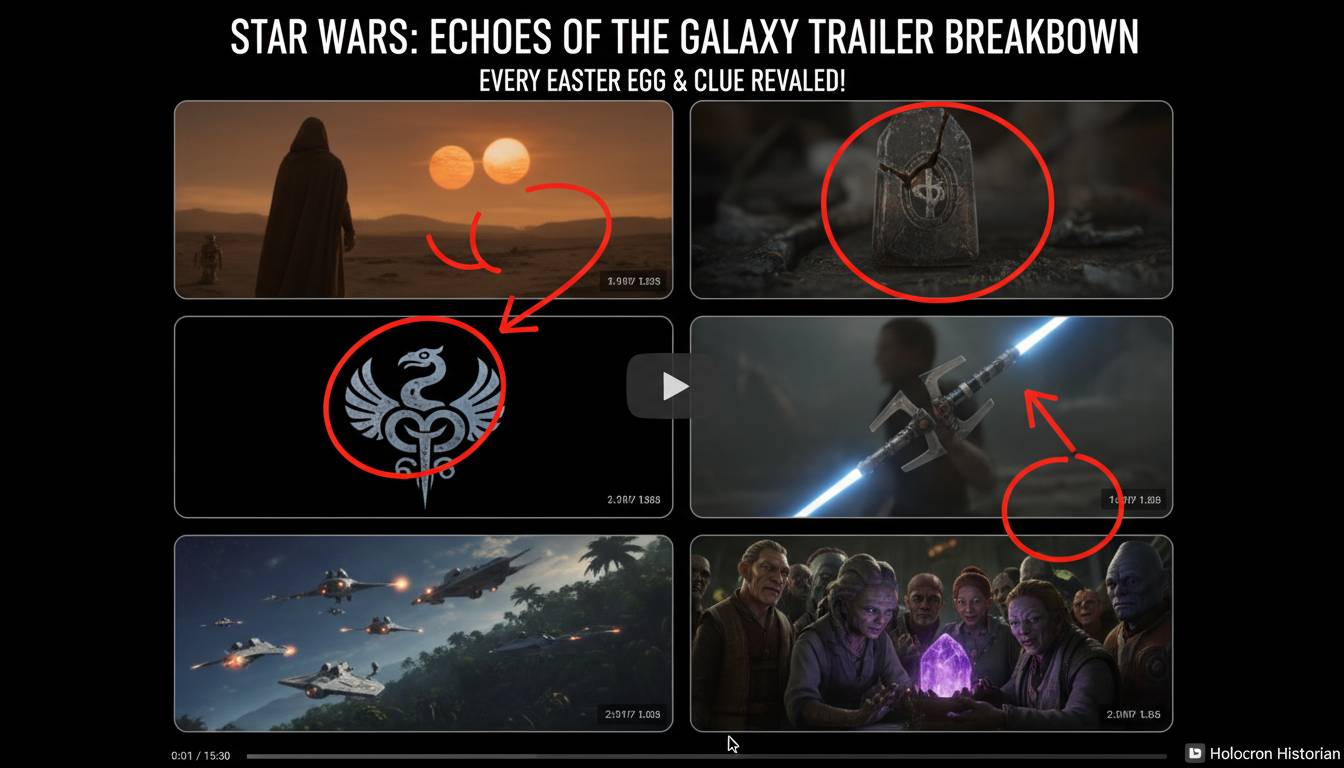
The Star Wars franchise has mastered the art of the trailer. Each preview released by Lucasfilm and Disney sends fans into a frenzy of frame-by-frame analysis, with every shadow, symbol, and passing glimpse potentially hiding a clue about the future of the galaxy far, far away. Whether it’s a new film, series installment, or animated adventure, the community’s appetite for trailer breakdowns has never been stronger. This comprehensive guide explores how to systematically analyze a Star Wars trailer, identify Easter eggs, and understand the narrative hints that keep audiences returning for more.
Understanding the Art of Star Wars Trailers
Star Wars trailers have evolved significantly since the franchise’s revival under Disney. Modern trailers blend nostalgia with fresh storytelling, dropping viewers into mysterious scenarios while carefully rationing out plot details. The marketing teams behind these releases understand that their audience doesn’t just want to see new footage—they want to decode it.
The typical Star Wars trailer runs between two and three minutes, a compressed window that must establish tone, introduce characters, and generate excitement without spoiling major reveals. This creates a deliberate tension: every frame is crafted to reward attentive viewers who pause, rewind, and analyze. The result is a form of interactive storytelling where the audience becomes an active participant in unpacking meaning.
What makes Star Wars trailer analysis particularly compelling is the franchise’s deep mythology. Unlike other film series, Star Wars operates with an expansive canon that includes films, television series, novels, comics, and video games. References can draw from any corner of this universe, creating layers of meaning that reward dedicated fans while remaining accessible to casual viewers.
Identifying Easter Eggs: Symbols, Sounds, and References
Easter eggs in Star Wars trailers come in multiple forms, each requiring different analytical approaches to recognize. Visual symbols represent the most obvious category—these include familiar alien species, droid designs, vehicle silhouettes, and architectural elements that immediately signal specific locations or time periods.
Sound design offers another rich layer for analysis. The franchise’s iconic audio cues—the hum of a lightsaber, the roar of a TIE fighter, the mystical swell of John Williams’ score—carry emotional weight and narrative significance. When trailers remix or recontextualize these sounds, it often signals something unusual or significant about the story being told. A familiar sound emerging from an unexpected source can indicate character returns, timeline shifts, or genre influences.
Character references deserve particular attention. Star Wars has a vast ensemble of heroes, villains, and supporting figures spanning multiple eras. When a trailer hints at a character’s presence—whether through a silhouette, a voice, or even just their signature weapon—the implications ripple across the broader narrative. These references can confirm fan theories, subvert expectations, or introduce entirely new interpretations of established figures.
Location identification forms another critical component of trailer analysis. The galaxy of Star Wars contains countless worlds, each with distinctive environmental features. Desert planets like Tatooine differ dramatically from urban centers like Coruscant or the volcanic landscapes of Mustafar. When new environments appear in trailers, they often signal narrative expansion into unexplored territories or returns to pivotal locations from the franchise’s history.
Analyzing Visual Composition and Cinematographic Clues
Beyond individual elements, the overall visual composition of a Star Wars trailer tells its own story. Camera angles, color grading, and shot duration all contribute to the emotional impact and narrative information being conveyed. Professional trailer analysts pay close attention to how these technical elements guide audience interpretation.
Lighting serves as a particularly important indicator in Star Wars content. The franchise has long used lighting to distinguish between light and dark sides of the Force, with shadowy cinematography often accompanying moments of conflict or mystery. When trailers employ specific lighting schemes, they subtly prepare audiences for thematic content without explicit exposition.
The pacing of cuts within a trailer reveals much about the story’s rhythm and tension. Rapid cutting typically signals action-heavy sequences, while longer, more contemplative shots suggest dramatic or emotional moments. Analyzing this pacing helps viewers understand not just what happens in the upcoming story, but how it will feel to experience it.
Production design details provide forensic-level clues for dedicated analysts. The condition of characters’ clothing, the state of technology visible in background elements, and the presence or absence of specific cultural markers all contribute to understanding when and where a trailer’s events take place. These details help fans place new content within the established timeline.
Interpreting Voice Lines and Dialogue
dialogue featured in Star Wars trailers requires careful interpretation. Studios frequently edit voice lines to create impressions that may differ from their context in the finished product. This practice, while sometimes controversial among fans, remains standard industry practice for generating trailer buzz.
When analyzing dialogue, consider not just what’s said, but who’s speaking. Voice identification in Star Wars carries significant weight due to the franchise’s legacy characters and their distinctive vocal performances. New performers stepping into established roles receive particular attention, as do potential returns of characters presumed lost or gone.
The absence of certain expected dialogue elements can be as informative as their presence. When trailers omit expected character names, planet designations, or plot descriptions, it often signals deliberate withholding rather than simple editing choices. Understanding what trailers choose not to reveal helps predict what audiences are meant to discover only through actual viewing.
Music selection within trailers provides additional interpretive material. Star Wars trailers often debut new compositions or rework existing themes, creating audio signatures that become associated with specific characters or storylines. These musical cues can prime audiences for particular emotional journeys before a single frame of the actual film plays.
Community Analysis and Collective Interpretation
The Star Wars fan community has developed robust systems for collective trailer analysis. Within hours of a new trailer’s release, dedicated forums and social media platforms explode with detailed frame-by-frame examinations, with fans pooling observations to construct comprehensive breakdowns that individual viewers could never achieve alone.
This collaborative analysis has become a significant aspect of modern Star Wars culture. Fan-created video essays, written analyses, and interactive discussion threads have become supplementary content that extends the trailer experience beyond its initial release. Studios have taken notice, sometimes incorporating community theories into their actual marketing strategies.
The collective intelligence of the fanbase demonstrates remarkable pattern recognition capabilities. Years of analyzing Star Wars content have taught the community to identify recurring visual motifs, narrative structures, and production signatures that distinguish authentic content from misleading marketing constructs. This expertise represents a form of media literacy specific to the franchise.
However, collaborative analysis also generates substantial misinformation. Fan theories, while often creative and well-reasoned, can spread as accepted fact before verification. Critical trailer analysis requires distinguishing between evidence-based observations and speculation presented as confirmation.
What to Watch For in Future Trailers
As the Star Wars franchise continues expanding across multiple platforms and narrative threads, trailer analysis becomes increasingly complex. New content spans various time periods, explores unfamiliar corners of the galaxy, and introduces entirely new character ensembles while occasionally revisiting beloved figures from the saga’s history.
Future trailer breakdowns should pay particular attention to how the franchise balances its legacy elements with fresh storytelling. The tension between nostalgia and innovation defines much of contemporary Star Wars, and trailers serve as primary indicators of how this balance will play out in actual content.
Technology continues changing how trailers are distributed and consumed. Short-form platforms now host micro-trailers designed for mobile viewing, while longer format releases serve dedicated fan audiences seeking comprehensive pre-release content. This distribution evolution affects both what studios choose to reveal and how audiences engage with promotional material.
The art of trailer analysis will likely continue evolving alongside the franchise itself. As Star Wars explores new genres, from mystery thrillers to comedy-adventures, the analytical frameworks fans employ must adapt accordingly. What remains constant is the community’s enthusiasm for dissection and the fundamental human desire to find meaning in shared cultural experiences.
Star Wars trailer breakdowns represent more than simple entertainment—they’re a window into how audiences engage with modern franchise storytelling. By understanding the techniques used to create these promotional pieces and the methods fans employ to decode them, viewers can appreciate both the craftsmanship behind the marketing and the passionate community that brings additional meaning to every frame.















Leave a comment