

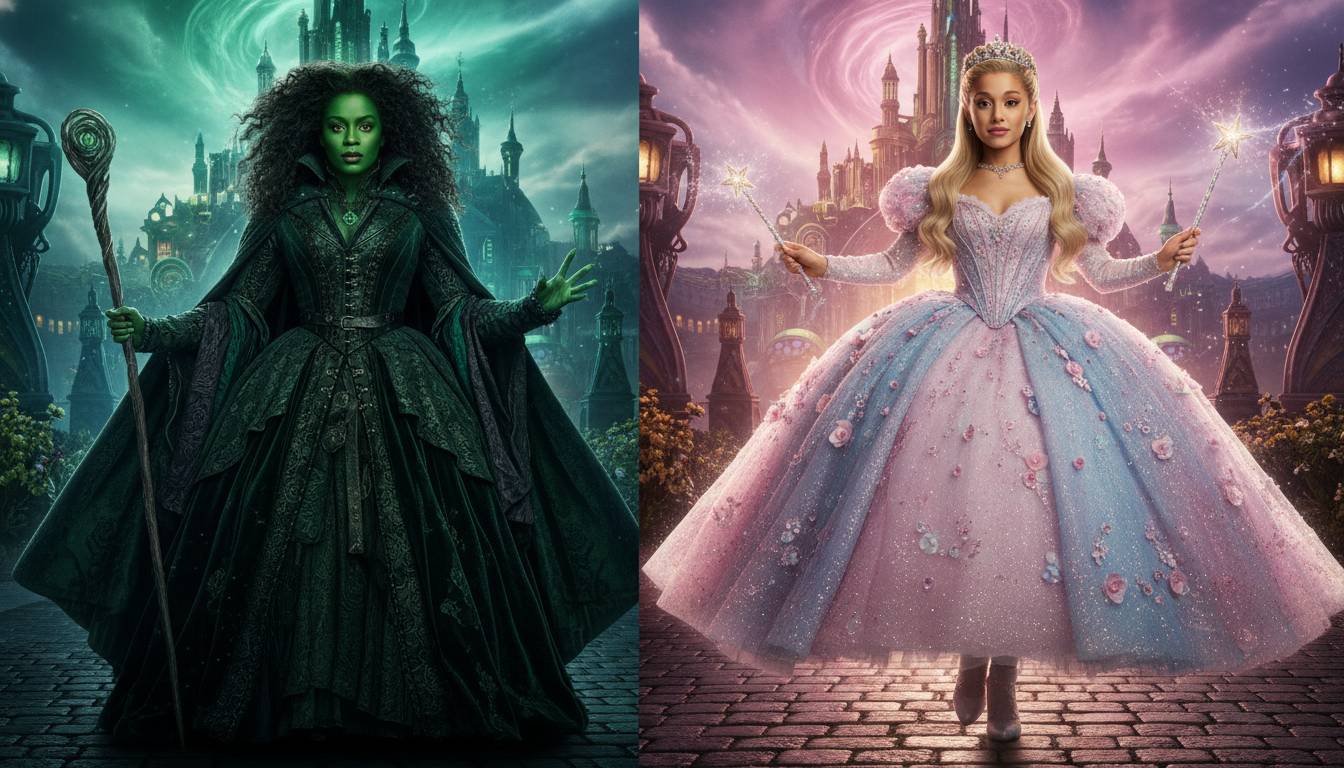
The musical theater world continues to buzz with anticipation as fans eagerly await news about the expansion of the beloved Wicked franchise. While “Wicked: For Good” represents the second installment of the celebrated musical narrative, concrete details regarding its release have generated considerable discussion among theater enthusiasts and industry observers alike. Understanding the context of this production requires examining the legacy of the original musical, the recent film adaptation’s performance, and what is publicly known about potential future installments in this theatrical universe.
The original “Wicked” musical premiered on Broadway in 2003, adapted from Gregory Maguire’s novel that reimagined the story of the Wicked Witch of the West from “The Wizard of Oz.” The production became one of the most successful musicals in Broadway history, running for over a decade and a half while earning numerous Tony and Grammy Awards. The story explores the friendship between Glinda the Good and Elphaba, the future Wicked Witch, before the events of the classic L. Frank Baum novel. Its success spawned multiple touring productions, international productions, and ultimately, a highly anticipated film adaptation that brought the story to new audiences worldwide.
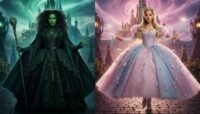
The film adaptation of “Wicked” premiered in November 2024, directed by Jon M. Chu and starring Cynthia Erivo as Elphaba and Ariana Grande as Glinda. The movie achieved significant commercial success and critical acclaim, grossing over $650 million globally during its theatrical run. The film was developed as a two-part adaptation, with the first installment covering the events of the original musical and the second part planned to continue the story. Industry sources indicated that “Wicked: For Good” served as working title references for the continuation of the narrative established in the first film, though official release timelines remained subject to production schedules and studio approval.
The announcement of a two-part film adaptation represented an ambitious approach to bringing the complete musical narrative to the screen. Part One, simply titled “Wicked,” covered the events from the first act of the stage musical, ending with the famous “Defying Gravity” number. The second film was designed to adapt the remainder of the story, including the events that occur after the main characters’ paths diverge significantly. This structure allowed the filmmakers to preserve the完整性 of the original musical’s storytelling while expanding certain elements for the cinematic medium.
Regarding release date information, the film industry publication The Hollywood Reporter and other entertainment news sources have reported that the second “Wicked” film was originally scheduled for release in 2025. However, subsequent industry reporting indicated that the release timeline shifted, with the production moving to a November 2025 release window in certain markets. The theatrical distribution strategy reflected the successful performance of the first film and the studio’s confidence in the franchise’s continued appeal to audiences.
The production timeline for such a major film adaptation involves numerous complexities that can affect release schedules. Visual effects work, post-production editing, marketing campaign development, and international distribution negotiations all contribute to the final release date. Additionally, competition within the theatrical release calendar influences when studios choose to position their major releases. The decision to split the narrative into two films required careful consideration of pacing, character development, and maintaining audience engagement across both installments.
From a financial perspective, the theatrical exhibition of both parts of “Wicked” represented a significant investment by Universal Pictures and associated production entities. The first film’s performance validated the studio’s faith in the property, demonstrating that musical adaptations could achieve substantial box office returns when executed with quality talent both in front of and behind the camera. This success positioned the second film as a priority release within the studio’s theatrical calendar.
Industry analysts have noted that the two-part film approach carried inherent risks, as audiences might not respond as favorably to the second installment if the narrative felt incomplete or if the extended runtime created pacing issues. However, the original musical’s structure lent itself relatively well to the adaptation, as the story naturally divides into distinct sections with their own dramatic arcs and emotional climaxes. The challenge for filmmakers involved maintaining narrative momentum while honoring the beloved source material that audiences had embraced for over two decades.
The cultural significance of “Wicked” extends beyond its commercial performance, as the musical has influenced public perception of classic literary narratives and contributed to broader conversations about storytelling, morality, and character motivation. The adaptation’s success introduced these themes to audiences who might not have engaged with the Broadway production, expanding the reach of the franchise significantly. This expanded audience base created substantial interest in the continuation of the story through the second film.
Marketing campaigns for the second film have not yet entered full swing, though promotional materials and teaser content typically begin circulating several months before theatrical release. The entertainment industry publication Variety reported that Universal was planning an aggressive marketing push for the sequel, leveraging the first film’s success and the established fanbase to drive opening weekend attendance. Social media engagement and fan anticipation have already begun building around release date announcements and promotional material reveals.
For fans seeking to stay informed about release date confirmation and production updates, official studio announcements remain the most reliable source of information. Trade publications including The Hollywood Reporter, Variety, and Deadline regularly update their coverage of major theatrical releases as production progresses and release dates become finalized. Additionally, the official social media accounts associated with the “Wicked” film provide direct communication from the production team regarding promotional content and timeline announcements.
The theatrical release strategy for part two may include premium large-format presentations, including IMAX and Dolby Cinema showings, similar to the first film’s approach. These premium formats typically command higher ticket prices and generate significant revenue during opening weekends, making them attractive options for major franchise releases. The production’s visual spectacle, particularly the elaborate magical sequences and aerial performances, benefited from large-format presentations that enhanced the cinematic experience.
Looking ahead, the entertainment industry will continue monitoring developments regarding “Wicked: For Good” as production advances toward its anticipated release window. Until official studio announcements confirm specific dates, industry observers recommend treating reported timelines as provisional and subject to change based on production requirements and market conditions. The success of the franchise demonstrates the enduring appeal of well-crafted musical narratives brought to the screen with artistic vision and technical excellence.
The legacy of “Wicked” as a cultural phenomenon reflects broader trends in entertainment adaptation, where beloved stage properties find new life through cinematic interpretation. The careful balance between honoring the original work and expanding its reach to new audiences represents a challenge that the production team has navigated with considerable skill. As information about release dates and production details becomes available, fans and industry observers will undoubtedly continue tracking the progression of this significant theatrical franchise with keen interest.








Leave a comment