

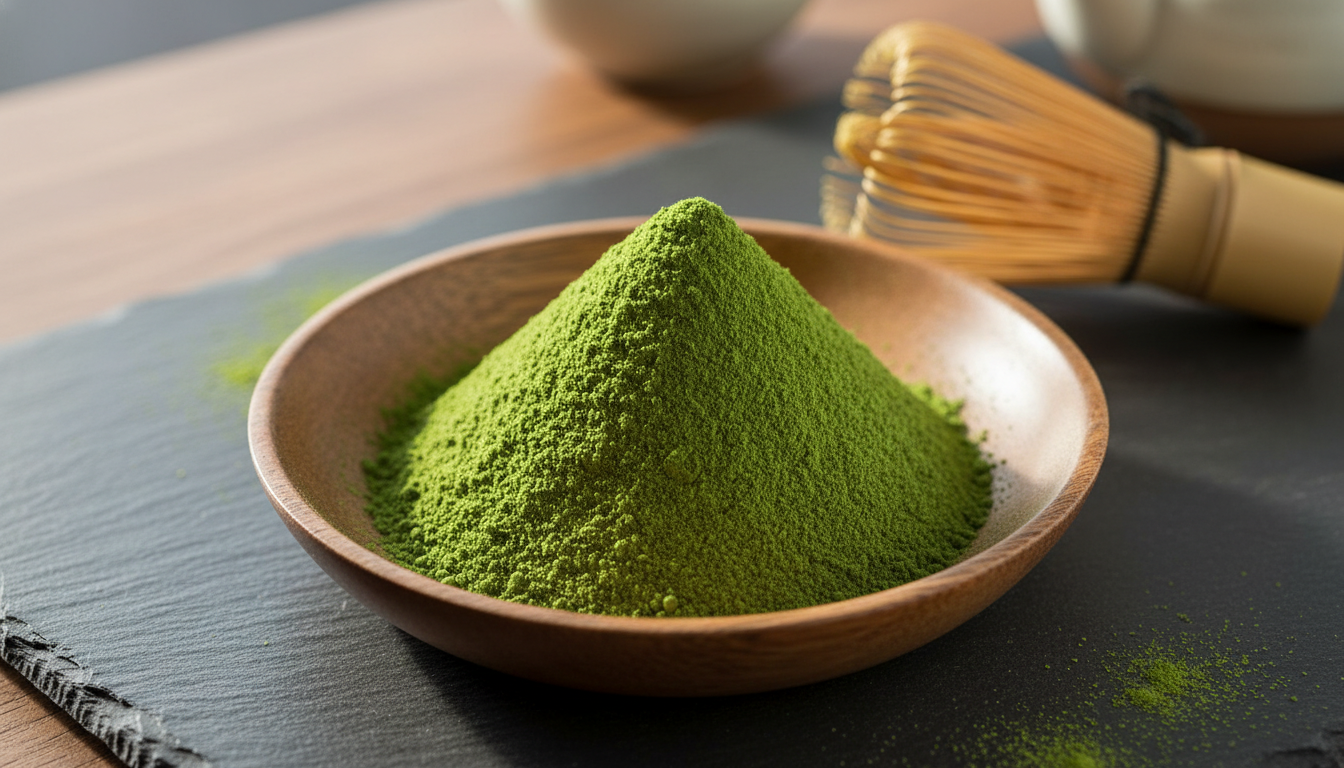
Matcha has become more than just a trendy green powder—it’s a ritual, a lifestyle, and yes, a caffeine source. Understanding how matcha’s caffeine works—and how it differs from coffee—is crucial for anyone seeking balanced energy, focused alertness, or mindful daily routines. But the story isn’t just about numbers; it’s also about how caffeine interacts with other compounds in matcha, how our bodies perceive it, and why it might fit better for some people than for others. So, let’s dive in, explore that grassy green buzz, and figure out what you really need to know.
Caffeine Content: Matcha vs Coffee Basics
Matcha typically delivers less caffeine per serving than coffee. An average 8-ounce cup of coffee contains roughly 95 to 165 mg of caffeine . In contrast, 8 ounces made with about 1–2 grams of matcha powder usually offers around 40 to 90 mg of caffeine . Factors like the exact powder amount, leaf quality, and brewing method can shift that range up or down, but overall, coffee remains the stronger caffeine performer per usual serving.
Still, some sources report matcha caffeine concentration in a wide range—from as low as 19 mg per gram up to 44 mg per gram—meaning a single serving could reach higher levels depending on amount used . In rare cases—usually high-grade matcha or heavier portions—users report hyper-alert effects similar to coffee . So yes, while coffee is generally stronger in caffeine, matcha’s potential can be surprisingly substantial when pushed.
Why Matcha Feels Different: L‑Theanine & Energy Flow
Here is where matcha’s charm lies: the caffeine journey is smoothed by L-theanine, a calming amino acid unique to tea leaves. L-theanine slows absorption, reduces jitteriness, and promotes relaxed focus . Practically, this means matcha often delivers a gentle, steady energy curve—less spike, fewer crashes—perfect for creative work, study, or meditation .
“Matcha offers that balance, one whisk at a time.”
This quote, lifted from the matcha ritual itself, speaks to that sense of calm energy—so much more than a caffeine fix; it’s a soft landing for both body and mind . By contrast, coffee’s caffeine is fast-acting, high-impact, and often fleeting—ideal for quick mental clarity or workouts, but sometimes too intense for calmer routines .
Broader Health & Side Effects: Not Just About Alertness
Antioxidant Power & Heart Health
Matcha is rich in EGCG and other polyphenols—high levels that potentially support blood vessel function and cardiovascular health . Although absorption and bioavailability of EGCG may limit its effects, moderate matcha consumption is seen as generally heart-healthy when enjoyed responsibly .
Coffee isn’t to be outdone, offering metabolic support, potential diabetes risk reduction, and energetic flavor profiles that fuel productivity .
Caffeine Overload & Sensitivities
Too much caffeine—like in excess matcha or coffee—can prompt jitters, elevated heart rate, digestive upset, or disrupted sleep . Users with sensitivity should be especially cautious.
Iron Absorption & Hair Health
Surprisingly, matcha contains tannins that may inhibit iron absorption—particularly non-heme iron from plant sources . Those with baseline low iron or dietary restrictions should avoid drinking matcha with iron-rich meals, and may benefit from spacing consumption or pairing with vitamin C–rich foods.
Liver and Contaminant Risks
High doses of antioxidants like EGCG—particularly from extracts or excess matcha—may lead to liver stress in rare cases, and heavy metal contamination is a potential concern due to the consumption of whole leaves . Stick to moderate servings to stay safe.
When to Choose Matcha, When to Reach for Coffee
Matcha Shines When You Want:
- Calm and sustained mental clarity
- A less acidic, gentler caffeine experience
- Ritual moments, creativity, or reflective work time
- Antioxidants and a subtle metabolic edge
Coffee Delivers When You Need:
- Strong, immediate wakefulness or performance boost
- Habitual comfort, bold flavor, or rapid alertness
- Pre-workout intensity or quick task activation
Hybrid Approach:
Some adopt a layered energy strategy: coffee for the morning jolt, then matcha to maintain steady focus through midday. Timing is king—for example, not drinking matcha too late to prevent sleep interference .
Conclusion
In summary, matcha offers a uniquely balanced caffeine experience powered by L‑theanine—a slow-rising, calm focus ideal for mindful routines and creative flow. Coffee remains the heavyweight champion of quick, high-impact energy. Both carry health benefits when consumed wisely, but also risks, especially at high doses. Your best pick depends on your energy needs, sensitivity level, and lifestyle goals. Choose intentionally, respect your body’s signals, and savor the ritual.
FAQs
Is matcha’s caffeine stronger than coffee’s?
No—coffee typically contains more caffeine per standard serving, but matcha’s L‑theanine often delivers a gentler, longer-lasting boost. High-quality or heavy-matcha servings can blur this difference, though.
Why does matcha feel calmer than coffee?
Because matcha also contains L‑theanine, which smooths caffeine absorption and promotes calm alertness, reducing jitters and crashes common with rapid caffeine uptake.
Can matcha affect iron levels or hair health?
Yes—matcha’s tannins can hinder iron absorption, especially from plant-based sources. To minimize risk, avoid drinking it with iron-rich meals and consider adding vitamin C to support uptake.
Is there a risk of liver damage from matcha?
Moderate matcha consumption is generally safe. However, excessive intake or concentrated extracts high in EGCG may strain the liver. Stick with 1–2 servings per day and opt for quality products.
Can I mix coffee and matcha in my day?
Definitely—many people use coffee for morning energy and switch to matcha for calmer focus later. Just be mindful of total caffeine intake and timing relative to sleep and meals.
How can I avoid matcha-caused jitters or sleep interference?
Use a moderate amount (around 1–2 g), avoid late-afternoon or evening consumption, and adjust based on your sensitivity. Monitor total caffeine intake and consider your personal routine and health background.
















Leave a comment