

Privacy on the phone—that’s something many of us take for granted until we need it. Ever typed 67 before dialing and watched your number vanish from the recipient’s display? It’s become a quirky habit for many, but here’s the kicker: what does 67 really do, and how reliable is it these days? Loosely relying on memory, I dial *67 now and then, often wondering if it genuinely buys me anonymity—or just a false sense of it.
This article unpacks the technical magic behind *67, explores its limitations in the modern telephony landscape, and offers practical tips for achieving caller ID privacy.
What *67 Does: Behind the Scenes of a Star Code
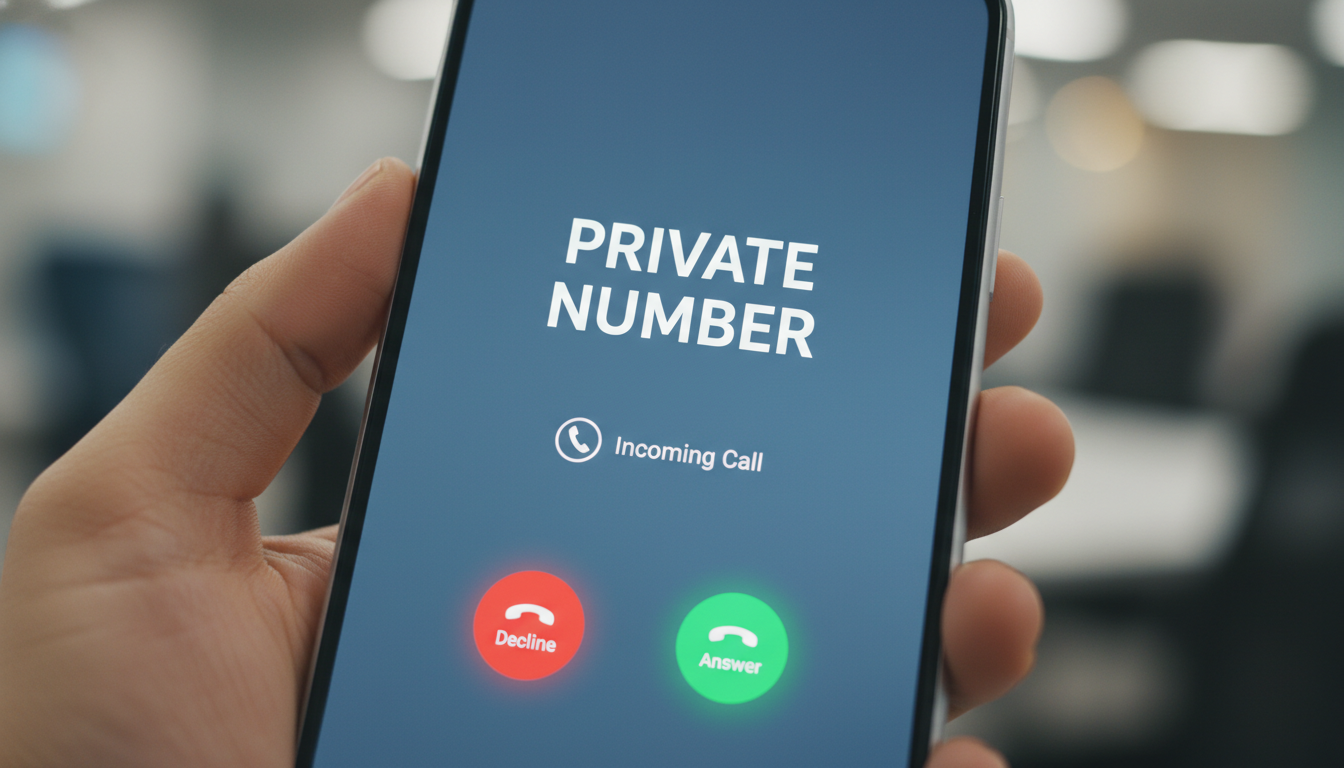
*67 is a vertical service code—a short string of characters sent before dialing a number that signals your carrier to suppress your caller ID on a per-call basis. When the recipient’s phone rings, instead of showing your digits, they might see “Private,” “Restricted,” or something similar. That’s the basic premise.
Important nuance: your number isn’t erased from the system. Carriers still transmit it to central offices, and law enforcement or telecom providers can trace it if needed. So, it’s not a cloak of invisibility—it’s more like a temporary screen.
Why *67 Still Works—Mostly
In 2026, *67 continues to function across most U.S. and Canadian landlines and mobile networks for individual calls. It’s still included as a free service; no one is charging you extra.
That said, its effectiveness varies depending on the type of call:
- Toll-free numbers (like 1-800, 1-888) bypass *67 completely. The system is designed to always display the caller’s number, since the call costs are borne by the recipient.
- Emergency services (e.g., 911) also ignore *67. It’s mandatory to know who’s calling when you’re in trouble—smart safety measure, right?
- If the person you’re calling has set their phone to reject private or anonymous calls, your *67 call may not connect at all.
Also, some carriers, especially VoIP services or those with advanced telephony platforms, might not support *67 at all. So before putting faith in that disappearing act, check whether your service provider even backs it.
Real-World Experiences and Limitations
There’s a fair bit of chatter online—some users say 67 is still useful, others are more skeptical. On one hand, support docs from AT&T, Norvado, Ooma, and others confirm 67 works as intended and is free. But forums and social platforms reveal that some people who tried *67 were still recognized—or even “de-anonymized.”
“Even for the carriers that accept 67… parties on the receiving end of such calls have already figured out ways to deanonymize 67 callers.”
Sometimes, shared experiences point to the call recipient receiving the true number, perhaps via backend routing or forced transparency from certain carriers. Or folks mention botched assumptions that *67 works universally—even when it doesn’t.
Another quirk: some iPhone users report that copying “No Caller ID” from a call log reveals a numeric placeholder—possibly an internal relay ID or anonymized alias.
So yeah—*67 is unpredictable. It might hide you, or it might just make you think you’re hidden.
When *67 Fails and What to Use Instead
Use Cases Where *67 Falls Short
- Toll-free and emergency numbers
- Systems blocking private numbers
- Carriers or VoIP setups that ignore the code
- People using tools that bypass or override *67
Alternatives for Call Privacy
- Device Settings: On iPhones or Androids, you can permanently hide your number via settings—Settings > Phone > Show My Caller ID (iPhone) or through the Phone app’s Caller ID menu (Android).
- Burner Number Apps: Use virtual numbers via apps like Google Voice or TextNow for a second line. These apps mask your real number entirely, not just the caller ID.
- Carrier-Level Blocking: Some providers allow you to permanently block your ID on all calls, instead of entering *67 every time.
Each method comes with pros and cons—while burner apps offer strong anonymity, they may not work for verification calls where your real number is expected. On the other hand, device settings offer seamless anonymity, but only if your carrier honors them.
Expert Insight
“Star 67 remains a useful tool for occasional privacy, but it no longer offers blanket anonymity—especially with evolving telephony infrastructure and caller-ID technologies.”
That nails it: *67 is a quick fix—not a foolproof shield.
Conclusion
Star code *67 still does its job—hiding your number from the recipient’s display for a single call—in many situations. But it’s far from invincible. It doesn’t work with toll-free or emergency numbers, can be blocked by recipient call settings, or overridden by service providers. Plus, savvy systems or users may still uncover who you are.
If privacy matters to you, consider stronger options—device settings or burner app lines that offer deeper anonymity. Use *67 for light, one-off privacy, but don’t bet your identity on it.
FAQs
What exactly does *67 do to my number?
*67 tells your carrier not to display your caller ID on that one outgoing call. Your number is still transmitted through the network and could be traced if needed.
Can *67 fail even on a regular phone number?
Yes. If the person you’re calling blocks private numbers or your carrier doesn’t support *67, the call may not go through or your ID may still show.
Why use burner apps instead of *67?
Burner apps give you a secondary number that hides your real one completely. Unlike *67, which only hides for a single call, burnerd lines can be more consistently anonymous.
Will *67 work on iPhones and Android devices?
Yes—it generally works on both device types, though interface and support may vary by carrier and model.
What’s the difference between *67 and permanently hiding Caller ID?
*67 applies only to the next outgoing call. Device settings or carrier features can suppress your ID on every call without needing to dial codes each time.















Leave a comment