

Area codes are far more than just a string of digits—they’re cultural touchstones and anchors for communities. The 619 area code instantly evokes scenes of sun-soaked beaches, vibrant border towns, and the renegade spirit of Southern California. First assigned in the early 1980s, the 619 code now stands as both a practical necessity and a symbol of San Diego’s distinct identity. As digital communication evolves and populations swell, understanding where these numbers come from, who uses them, and how they’re changing offers real insight into regional growth and cultural shifts.
Defining the 619 Area Code
Geographical Boundaries and Key Cities
The 619 area code primarily serves the city and metropolitan region of San Diego, located along California’s southern coast. Stretching south to the Mexican border at Tijuana and encompassing several coastal and inland communities, it covers a population ranging from millions of residents to a steady influx of tourists.
Major communities under the 619 area code include:
- Downtown San Diego
- Chula Vista
- National City
- Lemon Grove
- La Mesa
- Coronado
To the north and east, the boundary meets the 858 and 760 area codes, which handle the more suburban and inland neighborhoods.
“Area codes don’t just help route calls—they reflect the growth and complexity of a region,” notes telecommunications analyst Mark Knutson. “619, in particular, is closely tied with San Diego’s expansion and evolving demographics.”
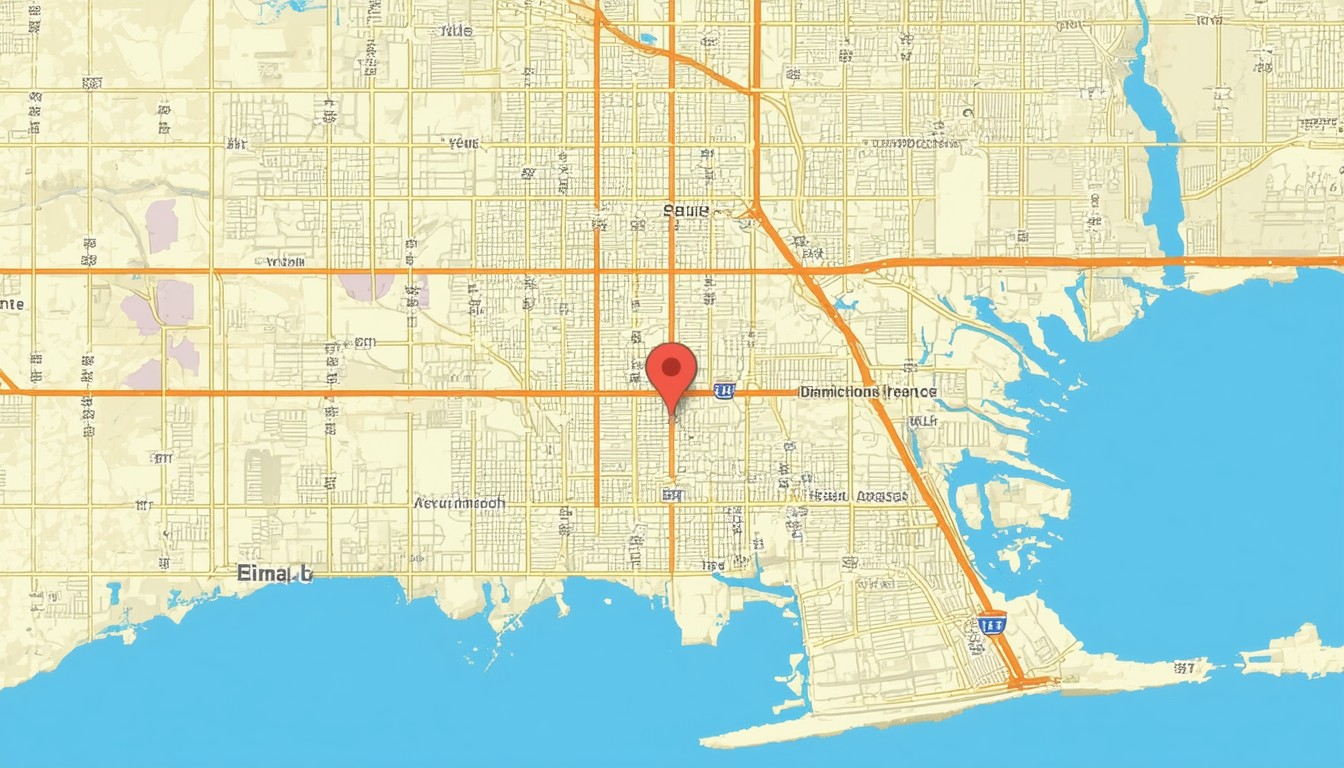
The 619 Map: Visual Reference and Overlay Zones
Modern area code boundaries often defy city borders. The 619 code forms a patchwork across San Diego County, shaped by decades of infrastructure planning and population migration. Over time, the proliferation of new phone lines and mobile users led to the adoption of overlay codes like 858 to ensure continuing service.
A typical coverage map shows:
- 619 anchoring the southern metropolitan core
- 858 layered over more northern and coastal suburbs
- Borders adjusted periodically due to regulatory and demographic changes
These overlays are not just responses to consumer demand but serve as blueprints for how regions adapt to growth and the digital era.
History and Evolution of the 619 Area Code
Origins in the 1980s
The 619 code originated as a split from the larger 714 area code. In the early 1980s, as San Diego’s technology sector, tourism, and military presence expanded, existing area codes neared exhaustion. The new code offered San Diego a distinctive telecommunications identity, setting it apart from neighboring Orange and Los Angeles counties.
Key Milestones and Subsequent Splits
Demand for new lines surged with the late-20th-century tech boom, the proliferation of fax machines, and later, mobile phones. The 619 area code underwent significant splits:
- 1997: Introduction of 760 to serve inland and desert communities.
- 1999: Creation of the 858 overlay to address northern San Diego’s needs.
Despite these changes, 619 remains deeply ingrained in Southern California’s social landscape.
Cultural Impact
References to “the 619” appear across music, sports, and television—perhaps most famously in pro wrestling, where San Diego native Rey Mysterio pays homage with his signature move, the “619.” For locals, the number serves as shorthand for identity, pride, and regional unity.
Day-to-Day Importance: Utility and Real-World Examples
Who Uses the 619 Area Code?
With the advent of mobile portability, a 619 number is no longer a perfect indicator of someone’s current address, but it remains a strong marker of San Diego affiliation. Many business owners, artists, and long-term residents choose to keep their 619 numbers even after relocating—a testament to the area code’s legacy.
Case studies reveal that restaurants, law offices, and tech startups often advertise their 619 lines as a stamp of local credibility. In the real estate sector, agents note that using a “619” in listings builds trust among clients seeking knowledge of the San Diego community.
Impact on Business and Branding
Area codes can play a subtle yet powerful role in branding. For companies trying to cultivate a hyper-local feel, retaining or acquiring a 619 area code is an intentional choice. This is especially evident among:
- Startups wishing to signal roots in San Diego’s tech cluster
- Cultural organizations, from galleries to event spaces, leaning into their local audience
- Hospitality and tourism operations that benefit from instant geographical recognition
Beyond branding, the overlay and overlay splits introduced a level of complexity for some consumers, requiring ten-digit dialing, but the trade-off was greater flexibility and resiliency for local businesses and residents alike.
Current Trends and Future Outlook
Number Porting and Overlay Dynamics
The rise of Voice over Internet Protocol (VoIP), smartphone adoption, and number portability means that geographic area codes are less tied to physical location than ever before. Nevertheless, the attachment to codes like 619 persists in both culture and commerce.
Overlay codes such as 858 and the nearby 442 (largely covering North County and inland) demonstrate the dynamic shifting of population centers and the sustained appetite for new connections.
Regulatory Responses and Predictions
Telecommunications regulators and the North American Numbering Plan Administrator (NANPA) continue to monitor the exhaustion of available numbers. Proposals for additional overlays or further splits remain on the horizon should growth outpace current assignments.
“Modern cities must constantly navigate the balance between historical identity and practical infrastructure. Area code management is just one of the more visible battlegrounds,” observes urban sociologist Dr. Ellen Shaw.
In practice, as digital consumption accelerates and urban sprawl continues, area codes like 619 will remain vital markers—both for logistical and cultural connection.
Conclusion: The Lasting Significance of the 619 Area Code
The 619 area code, more than just a telecommunications prefix, serves as a living record of San Diego’s growth, diversity, and identity. As the modern landscape evolves, so too does the meaning of these numbers—bridging the digital and the real, the historical and the contemporary. For residents, businesses, and cultural icons alike, those three digits still carry the echo of one of California’s most dynamic metropolitan areas. Moving forward, the 619 code will undoubtedly adapt, but its symbolic weight in the fabric of Southern California life appears set to endure.
FAQs
What cities are covered by the 619 area code?
The 619 area code serves central and southern San Diego, including major areas like Downtown, Chula Vista, National City, Lemon Grove, La Mesa, and Coronado. The coverage stretches south to the Mexican border.
When was the 619 area code created?
The 619 area code was created in 1982, splitting off from the 714 area code due to rapid population and economic growth in San Diego County.
Has the 619 area code changed over time?
Yes, it has gone through several splits and overlays, most notably leading to the introduction of the 760 and 858 area codes to accommodate increased demand for phone numbers.
Can I keep my 619 number if I move?
In most cases, yes—thanks to number portability, many residents and business owners retain their 619 numbers even if they relocate within California or beyond.
Why do some businesses prefer using a 619 area code?
A 619 number helps signal local presence, cultural connection to San Diego, and can build trust with area residents and customers looking for local expertise.
Are there plans for more area code splits in San Diego?
With ongoing growth, regulators continually assess the need for new overlays or splits, but for now, current overlays and allocations are designed to meet projected demand.

















Leave a comment