

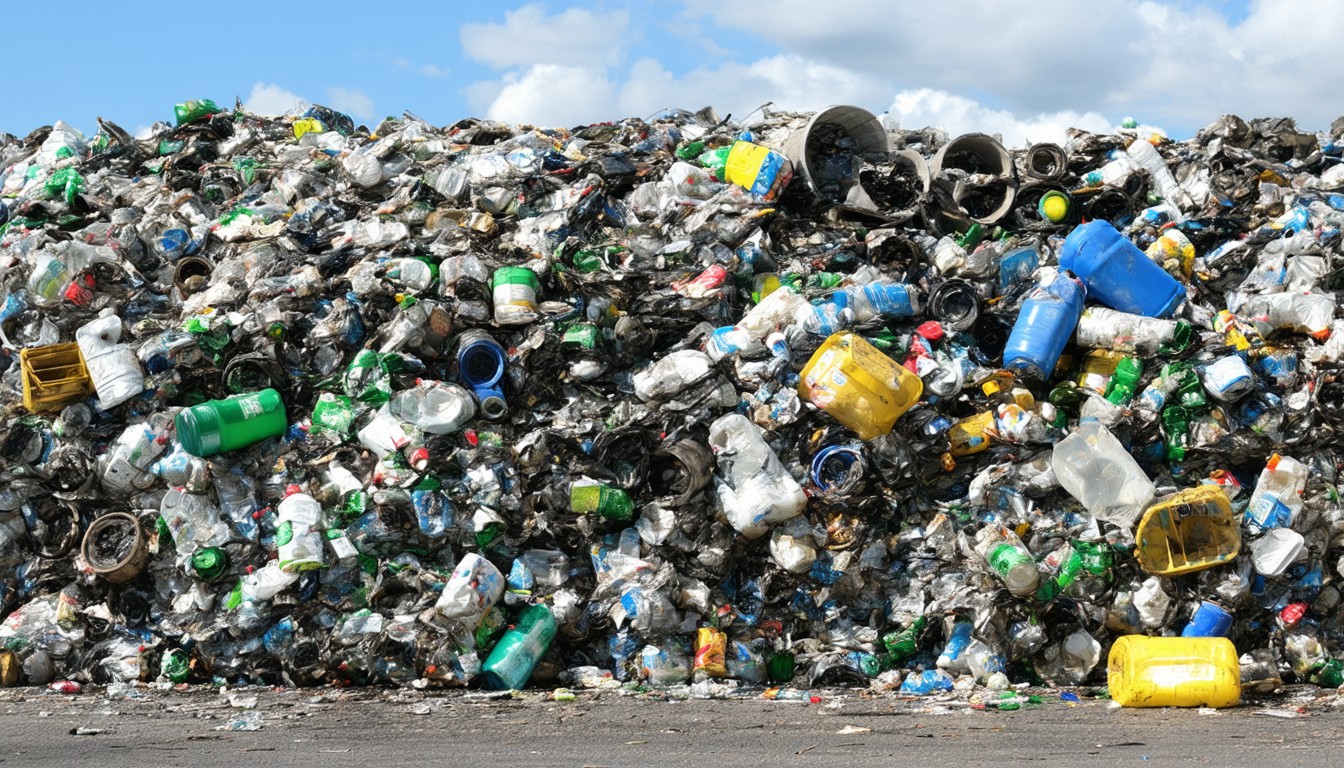
Waste disposal is a universal challenge, but the act of recycling—giving new life to old materials—has emerged as a vital solution for individuals and communities alike. As environmental awareness grows, more people are searching for a “recycling center near me” to responsibly manage their household and business waste, protecting both local environments and the broader ecosystem. Yet, navigating the process and understanding local facilities’ offerings can be a hurdle. Understanding how to find and utilize a nearby recycling center makes waste disposal not only easy, but transformative for individual habits and community impact.
Why Local Recycling Matters: The Environmental and Economic Upside
Recycling centers do more than take unwanted items off your hands—they keep materials like paper, glass, metal, and electronics out of overcrowded landfills. According to the EPA, recycling and composting in the U.S. diverted over 90 million tons of material from landfills in recent years, reducing greenhouse gas emissions equivalent to those produced by millions of passenger cars. The ripple effects extend beyond environmental benefits:
- Conservation of resources: Reusing materials saves raw resources and reduces habitat destruction.
- Energy reduction: Producing new items from recycled materials often uses less energy than sourcing from virgin resources. For example, recycling aluminum saves over 90% of the energy required to make the same amount from bauxite ore.
- Job creation: The U.S. recycling industry supports hundreds of thousands of jobs, from collection to processing.
Beyond statistics, local recycling centers are tangible sites where global environmental goals meet everyday action. Their presence in neighborhoods empowers citizens to make a direct, measurable impact.
What Can Be Recycled? Common Items and Unique Local Guidelines
Every recycling center operates within unique county, state, or city regulations, and accepted materials may vary. However, most centers are equipped to handle:
- Paper and cardboard: Newspapers, office paper, magazines, cardboard boxes.
- Glass: Bottles, jars (rinse before recycling; not all centers accept colored glass).
- Plastics: Many accept labeled #1 (PET) and #2 (HDPE) plastics; other types are more variable.
- Metals: Aluminum cans, steel food cans, some types of scrap metal.
- Electronics: Old phones, computers, televisions—usually through special e-waste programs.
- Household items: Batteries, light bulbs, mattresses in some jurisdictions.
Not all materials are universally accepted. Some items, like Styrofoam or certain types of plastic film, still require special handling or must go to dedicated centers. To avoid “wish-cycling” (recycling non-accepted items), check a center’s website or contact them directly before dropping off items.
“Recycling only works when materials are clean, sorted, and placed in the right streams. Contamination is a top challenge for centers, and informed residents make all the difference.”
—Karen Flanagan, Municipal Recycling Coordinator, Philadelphia
How to Find a Recycling Center Near You
While “recycling center near me” is a common search, finding an appropriate local facility is easier now than ever before thanks to digital mapping tools, municipal directories, and dedicated recycling apps.
Online Search Engines and Maps
The most straightforward method remains a quick online search using queries like “recycling center near me” or “nearest recycling drop-off.” Leading map services, including Google Maps and Apple Maps, often display the nearest centers, business hours, and user reviews. Many recycling centers have claimed their online profiles so you can verify accepted materials, accessibility, and special services.
Municipal and County Websites
Most city and county governments maintain current lists of public and private recycling facilities on their official websites. These resources clarify what each center accepts, operating hours, residency requirements, and any fees. For larger cities, online recycling “wizards” let residents input an item to find out how and where to dispose of it.
Nationwide Recycling Databases and Apps
Several nonprofit organizations and companies maintain detailed nationwide recycling locators—Earth911 is among the most widely used. Users can enter a zip code and specific material to receive tailored drop-off options. Similarly, apps like iRecycle and Recycle Nation provide up-to-date directories and reminders.
Accessibility and Hours of Operation
Always verify the hours and special restrictions, as certain centers operate only on weekends or designated days. Many urban centers require a photo ID or residency proof, while some events (like electronics collection days) may be limited to city residents.
Preparing Items for Drop-Off: Do’s and Don’ts
Proper preparation ensures that collected items can truly be recycled, not redirected to landfill due to contamination or sorting challenges. Some universal best practices include:
- Cleanliness: Rinse containers to remove food residue.
- Sorting: Keep paper, plastics, metals, and glass separated as required.
- Remove non-recyclables: Remove lids, labels, or non-recyclable contaminants.
- Bundle loose materials: Cardboard boxes should be flattened; small items bagged if requested.
Beyond this, always read posted guidelines at the recycling center or online. Many centers reject materials if they’re soiled or incorrectly sorted—even for well-intentioned recyclers.
Real-World Examples: Recycling in Action
In communities across the U.S., robust local recycling programs have demonstrated measurable success. Take San Francisco, which has achieved a recycling and composting rate exceeding 70%, one of the highest in the country, thanks to decades of public education, clear signage, and easily accessible drop-off centers. Meanwhile, smaller towns like Fayetteville, Arkansas, empower residents through regular recycling fairs and “hard-to-recycle” events that accept electronics, tires, and large appliances for safe processing.
On the business side, major retailers like Best Buy and Staples offer in-store electronics recycling as a convenience to customers, proving that large-scale corporate participation can complement municipal efforts.
Challenges and Future Trends: Building a Circular Economy
Despite the progress, recycling centers face ongoing logistical and financial pressures. Global changes in recycling markets—such as China’s reduced acceptance of foreign recyclables—have forced many U.S. cities to adapt, raising the bar for cleaner, better-sorted materials and accelerating innovation.
Many cities are now investing in advanced sorting technology and public education campaigns to tackle contamination and improve recovery rates. Zero-waste and circular economy initiatives, which emphasize reuse and closed-loop manufacturing, are gaining traction nationwide.
“The next decade will see a shift from focusing solely on recycling to rethinking consumption, repair, and full product lifecycle. Centers remain essential community hubs, but a broader systems approach will amplify impact.”
—Dr. Martin Yeo, Environmental Policy Analyst
Conclusion: Making Recycling a Habit That Sticks
Locating a recycling center near you is a meaningful first step toward more sustainable daily habits. Understanding what items are accepted, preparing them properly, and using both digital tools and local resources streamlines the process. While challenges exist, collective participation in recycling—by individuals, communities, and businesses—moves society toward a more sustainable, less wasteful future. Small, well-informed actions at the local level ripple outward, enabling environmental stewardship and community pride.
FAQs
How do I find the nearest recycling center?
Use online search engines, mapping apps, or your municipal website to quickly locate recycling centers in your area. Entering your zip code and specific item type often returns the most accurate results.
What materials do most recycling centers accept?
Commonly accepted materials include paper, cardboard, glass bottles, certain plastics, metals, and sometimes electronics. Always check local guidelines, as not all centers handle every type of material.
Can I recycle electronics at my local center?
Many centers now offer special e-waste collection days or have partnerships with local retailers for electronics recycling. Contact the facility ahead of time to verify what’s accepted and whether any fees apply.
Why do some items get rejected at recycling centers?
Contaminated, incorrectly sorted, or non-recyclable items create processing issues and may lead to entire loads being sent to landfill. Following local instructions and prepping items is critical for ensuring they get recycled.
How important is it to clean items before recycling?
Cleaning removes food, oils, and residue that can contaminate entire recycling streams, reducing efficiency and increasing costs. Even quick rinsing makes a big difference.
Are there limits on how much I can bring to a recycling center?
Some centers have size or quantity restrictions, especially for bulk items or hazardous waste. It’s best to check with the specific facility before making a large drop-off.















Leave a comment