

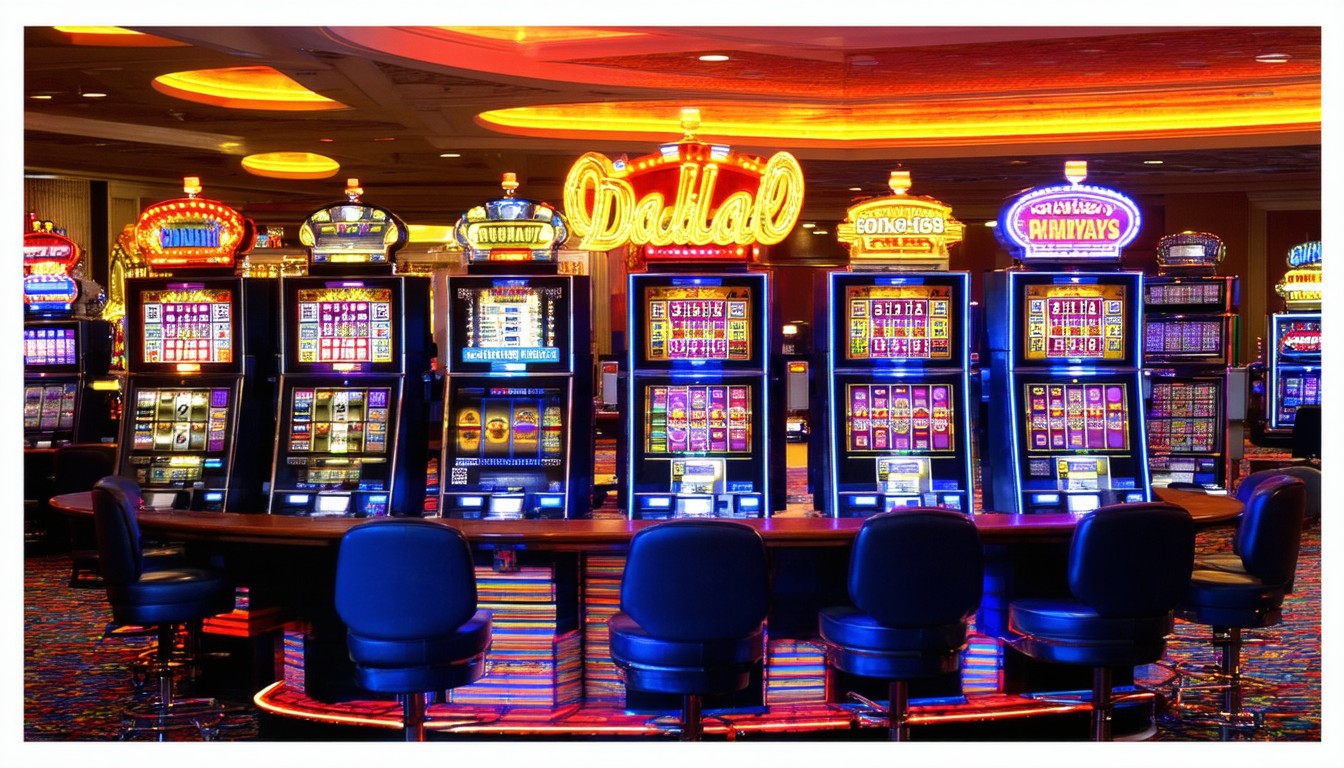
Decades after slot machines started ringing across Vegas floors and the first riverboats sailed the Mississippi, the look and feel of classic U.S. casinos remain deeply ingrained in American culture. As technology advances and online platforms race to dazzle with animated lobbies, there’s a resounding comfort in casino layouts that emphasize familiarity and simplicity—especially for those who consider themselves “not techy.” This sense of instant recognition isn’t accidental. Instead, it’s a powerful tool that taps into nostalgia, trust, and proven gaming psychology.
Beyond aesthetic appeal, simple, old-school casino layouts enhance accessibility, reduce user overwhelm, and foster a sense of community. In the U.S., where casino entertainment serves massive demographics from retirees to Gen Z, the enduring pull of these “familiar” designs has fueled both brick-and-mortar and digital success stories.
Breaking Down the Anatomy of a Classic Casino Layout
Layout Principles That Stand the Test of Time
From Atlantic City’s iconic Boardwalk casinos to hometown favorites in the Midwest, traditional casino layouts tend to follow a handful of golden rules:
- Intuitive Pathways: Entrances lead directly to slot machines, with gaming tables arranged for easy browsing.
- Clear Signage: Directions and game labeling use high-contrast fonts and universally recognized symbols.
- Centralized Amenities: Food, restrooms, and cashier stations are clustered for quick access.
These design features were born out of necessity in the bustling, pre-digital era and have since been validated by user experience professionals. As Dr. Bill Friedman, a renowned casino design consultant, observed:
“The casinos that perform best are the ones where players never feel lost or intimidated—every step offers clarity and comfort.”
This plays directly into the psychological principle of cognitive ease: the less effort visitors expend to navigate, the more energy and attention they can devote to play.
Elements That Foster Familiarity
What makes a layout instantly “familiar” isn’t just floor plans; it’s a bundle of cues and conventions:
- Traditional Casino Color Schemes: Rich reds, golds, and greens evoke classic glamour, subtly encouraging optimism and excitement.
- Uncluttered Menus and Game Selection: Whether at a kiosk or desktop, options are grouped by type with predictable navigation.
- Physical Asset Replication: Digital platforms often mimic the look of dice, cards, and chips to lower the learning curve.
Together, these touchpoints spark recognition even in first-time visitors—particularly those who may otherwise feel left behind by tech-focused innovation.
Digital Transition: Why Old-School Designs Win Online
User Segments Craving Simplicity
While tech-savvy gamblers may flock to immersive 3D lobbies or VR slot machines, a significant share of the U.S. casino audience prefers straightforward layouts reminiscent of their favorite physical venues. Market research consistently finds that:
- Senior and casual players rate ease-of-navigation and clear instructions among their top priorities.
- Complex interfaces increase abandonment rates, especially on mobile devices.
- Repeat visits soar when players can “find their favorites” instantly.
A real-world example comes from Michigan’s launch of legal online gambling. Several operators leaned into simple, traditional casino site designs, and saw immediate success—with customer feedback highlighting how “easy it was to get started” and the absence of “confusing, flashy extras.”
The Hybrid Approach: Familiarity Meets Functionality
Some U.S. casino brands have thrived by blending the old with the new. Golden Nugget and Caesars, among others, have layered modern account management and secure banking into homepages that closely resemble their real-world casino floors. This approach keeps existing players loyal, while gently onboarding the hesitant.
“There’s always a push to innovate, but our research shows players still want that feeling of walking into the casino they grew up with—just one click away.”
— US Casino Product Director
The result is a digital experience where players of any age or ability can log in and play without worrying about complicated dashboards or bloated feature sets.
Accessibility and Longevity: The Competitive Edge of Simple Design
Reducing Overwhelm for All Ages
Complex interfaces can be barriers for senior players or those with limited tech exposure. In the casino world, where trust and comfort are paramount, cluttered layouts can drive users away. Simple, old-school interfaces are highly readable, with large buttons, familiar labels, and logical grouping.
Notably, brands that prioritize clear design often report lower customer support demand and higher player satisfaction. Practical benefits include:
- Reduced “dropout” during sign-up and deposits
- Easier responsible gaming controls for self-exclusion or limits
- Reliable mobile performance, even on older devices
Community, Culture, and Reputation
Simple layouts also foster a sense of shared culture. When someone can walk into a local casino or log on to a recognized site and instinctively know where and how to play, it strengthens their emotional connection and perceived value.
Consider the annual return crowds at well-known venues such as Las Vegas’ El Cortez or Reno’s Peppermill. Their layouts have barely changed since the 1970s—yet guests cite this steadfastness as a reason for their loyalty.
Case Study: Classic Layouts in the Modern Online Arena
FanDuel Casino: Digital Familiarity, Real-World Trust
Large U.S. operators like FanDuel have invested heavily in instantly familiar designs. Their lobby structure mirrors table rows, with clean horizontal scrolls, prominent game labels, and actionable banners. Instead of overwhelming users with pop-ups or flashy animations, the main navigation is kept lean: slots, live dealers, table games, and promotions.
This back-to-basics approach has fueled steady growth in retention and cross-sell rates. User studies reveal a common refrain: “It feels like the casino back home, only on my phone.”
Brick-and-Mortar Longevity: The El Cortez Example
In downtown Las Vegas, the El Cortez remains a living testament to the power of old-school, straightforward design. Its slot banks, wide walkways, and clear signage are little changed since the 1940s. Rather than chasing trends, operators doubled down on what longtime guests know and love—in turn, earning historical landmark status and a devoted base.
In practice, both physical and online brands that maintain these recognizable elements build trust that crosses generations.
Conclusion: Familiarity Wins in a Changing Industry
Despite rapid innovation in the U.S. casino sector, there’s enduring demand for layouts that feel familiar and manageable—particularly among those who see themselves as “not techy.” Simple, old-school casino designs thrive because they foster comfort, accessibility, and instant recognition. Trusted brands blend traditional navigation with essential modern features, creating experiences that stand the test of time.
For operators seeking to broaden their appeal or reduce churn, the lesson is clear: sometimes, the best innovation is staying true to the basics. Listening to player feedback and prioritizing accessible design will remain crucial as the market continues to evolve.
FAQs
What are the main features of a simple, old-school casino layout?
Classic casino layouts prioritize easy navigation, clear signage, and intuitive groupings of games, amenities, and cashiers. These designs help users quickly find what they want without feeling overwhelmed.
Why do many U.S. casinos stick with traditional layouts online?
Many American casinos retain familiar layouts to appeal to players who value simplicity and trust, especially those less comfortable with technology. Familiar interfaces encourage repeat play and reduce dropouts during sign-up or gaming sessions.
Are these old-school layouts only for older players?
Not at all; while older and less tech-savvy players benefit greatly from simple designs, many newcomers also appreciate clear, intuitive interfaces that make gaming stress-free from the start.
How do simple designs impact accessibility?
Accessible layouts with large buttons, logical grouping, and plain language reduce confusion for all users, including those with disabilities or limited technology experience. They can also support responsible gaming more effectively.
Do familiar casino designs help with customer loyalty?
Yes, recognizable, user-friendly casino layouts foster trust and emotional attachment, leading to higher rates of return visits and stronger brand loyalty across generations.

















Leave a comment