

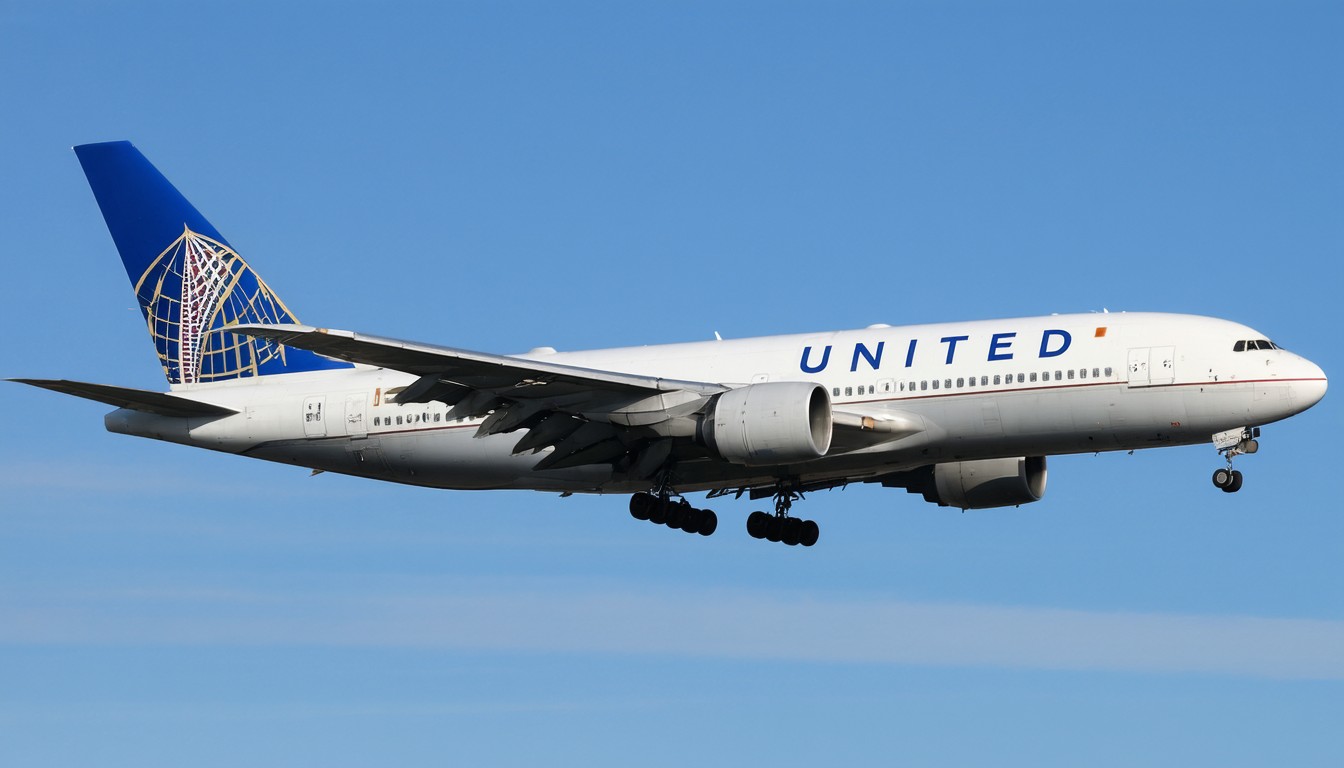
News of a mid-air emergency onboard United Airlines Flight UA82 has brought renewed attention to airline safety and crisis response protocols. The incident, involving a Boeing 777 operating the scheduled route from New Delhi to Newark, prompted an unscheduled landing and an immediate mobilization of airline and airport emergency services. While incidents like these remain rare, they underscore the proactive measures airlines adopt to ensure passenger well-being at 35,000 feet.
Timeline and Response to the Incident
According to initial reports, Flight UA82 encountered a technical anomaly during its over-water segment. The cockpit crew declared an emergency and followed established procedures, diverting the flight to the closest suitable airport. Ground emergency teams were placed on standby in anticipation of the aircraft’s arrival, a standard aviation practice for such situations.
“Aviation safety is built on robust systems and highly trained professionals. When emergencies arise, coordinated action between flight crews, air traffic control, and ground support is critical,” said Dr. Lila Prasad, an aviation safety consultant.
No injuries among the 200+ passengers and crew were reported after the safe landing. In line with United Airlines’ passenger care protocols, those affected were accommodated with refreshments, travel assistance, and timely updates on onward arrangements.
Industry Best Practices and Passenger Communication
Beyond this specific event, major carriers like United Airlines continuously refine emergency preparedness. The airline industry adopts rigorous training regimes, simulations, and regular audits to meet both FAA and international standards. Studies have shown that clear communication during emergencies significantly reduces passenger anxiety and confusion—the approach reflected in United’s real-time updates to families and media channels throughout the episode.
Recent Trends in Aviation Emergency Handling
The UA82 emergency incident fits within a broader trend: while modern aircraft have drastically increased operational reliability, airlines still must prepare for every contingency. Data from the International Air Transport Association highlights consistent year-over-year improvements in industry safety, but underscores the necessity of constant vigilance and learning from each event.
Conclusion
The emergency on United Airlines Flight UA82 was managed professionally and without injury, demonstrating the value of comprehensive safety protocols and clear passenger communication. Regular reviews and industry best practices continue to shape even safer air travel experiences.
FAQs
What caused the emergency on Flight UA82?
Preliminary reports indicate a technical issue; the exact cause is pending full investigation by United Airlines and relevant authorities.
Were there any injuries among passengers or crew?
No injuries have been reported. All passengers and crew disembarked safely following the precautionary landing.
How did United Airlines assist stranded passengers?
Passengers received meals, accommodations if necessary, and prompt rebooking on alternate flights, consistent with airline care standards.
How do airlines prepare for emergencies like this?
Airlines conduct regular safety drills and ensure cockpit and cabin crews receive intensive emergency response training per industry regulations.
Has United Airlines issued a public statement?
United Airlines has confirmed the event, reassured the public about passenger safety, and committed to cooperating with investigators.










Leave a comment