

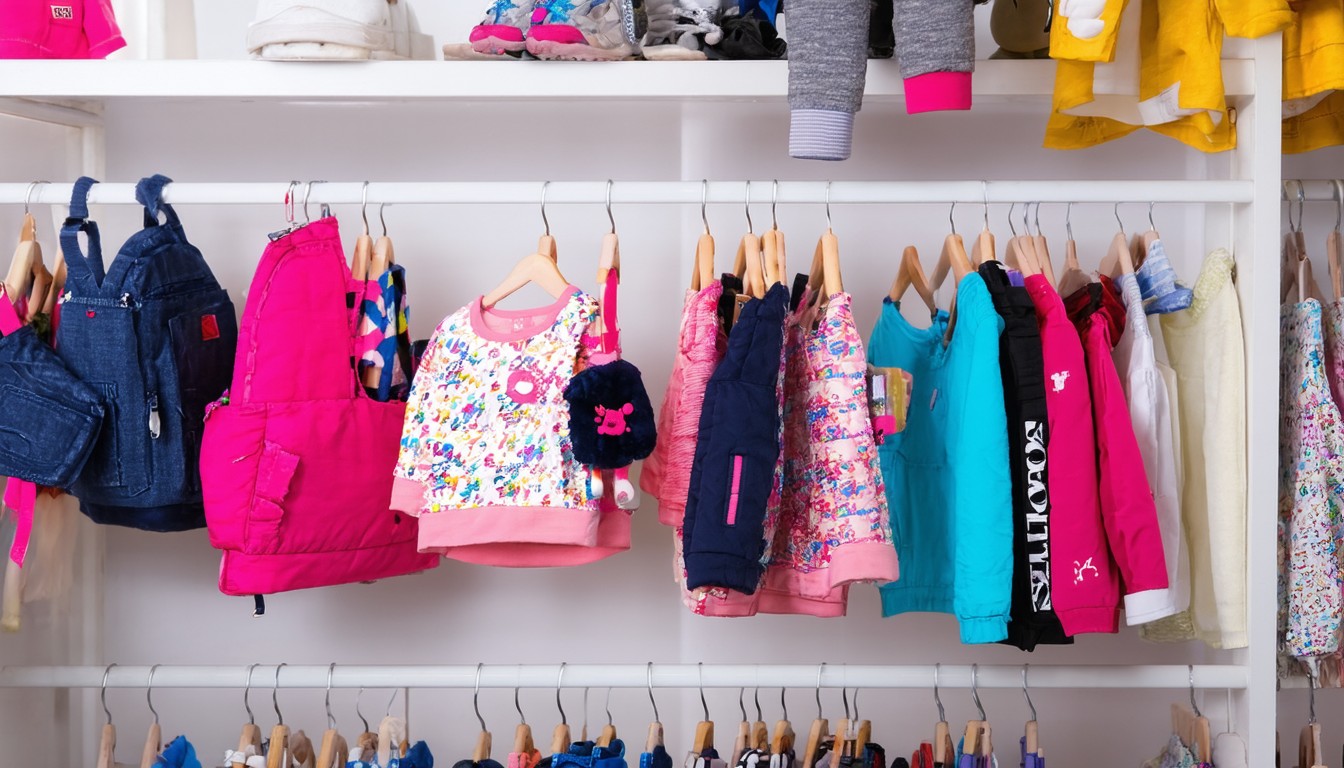
Raising children comes with a long list of financial and environmental considerations. As children rapidly outgrow clothes, shoes, toys, and baby equipment, parents everywhere face a recurring dilemma—what to do with gently used items? Enter Once Upon a Child, a trusted network of resale stores transforming how families shop for, and recycle, essential kids’ goods. This model is much more than simple thrift shopping; it’s a community-driven retail phenomenon answering the real needs of growing families while reducing waste.
How Once Upon a Child Works: Resale, Reinvented
Once Upon a Child operates a buy-and-sell model exclusively for children’s apparel and gear, distinguishing itself from traditional consignment shops. The concept is straightforward and tailored for convenience and sustainability.
Buying: Quality at a Fraction of Retail
Parents looking to stretch their dollar are drawn to Once Upon a Child for its promise of name-brand children’s merchandise at a significantly lower price than new. The stores curate inventory to focus on quality, safety, and current fashion, ensuring everything from baby strollers to winter boots meets strict standards.
Real-world anecdotes abound of families outfitting entire wardrobes, from onesies to snow pants, for the cost of one department store shopping spree. Sales trends show families increasingly prioritize value—and many are turning to resale shops to provide it.
Selling: Cash for Outgrown Items
On the flip side, parents can bring in items their children have outgrown, receiving payment on the spot—unlike consignment shops that delay payment until items sell. This immediate exchange is especially helpful for busy caregivers eager to reclaim closet space and recoup costs. The process is streamlined: goods are evaluated for quality, safety, and seasonality, with accepted pieces swiftly added to the sales floor.
“Parents not only save money shopping resale, but they become part of a circular economy that reduces demand for new production,” explains Julie Johnson, a sustainability consultant who studies the life cycle of children’s products.

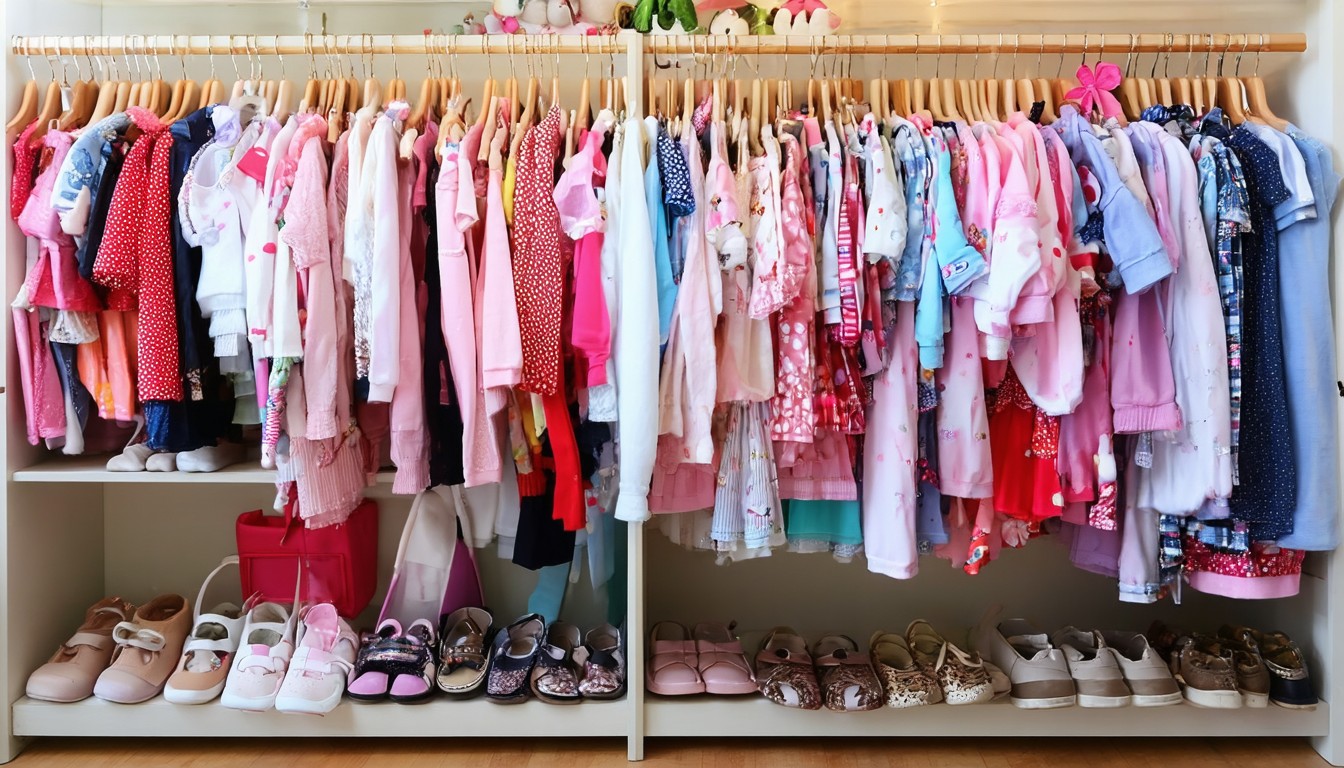
The Value Proposition: Brands, Savings, and Sustainable Choices
Brand-Name Bargains
One of the core draws of Once Upon a Child is access to premium children’s brands at accessible prices. From Nike sneakers to Carter’s pajamas, inventory boasts recognizable labels. For budget-conscious parents, this means dressing children in high-quality garments without the recurring sticker shock of buying new.
Frequent shoppers note that new inventory arrives daily, and savvy customers often score deals on barely used or even new-with-tags items. Such value resonates in an era when U.S. families spend an estimated thousands of dollars annually on children’s goods.
Environmental Benefits
Beyond personal savings, Once Upon a Child’s business model addresses the broader issue of textile waste. According to the Environmental Protection Agency, clothing and footwear account for a significant portion of landfill waste each year. By keeping items in circulation, resale stores lessen both the environmental footprint and the demand for new manufacturing—an important step in more sustainable consumerism.
Quality and Safety Standards
Every accepted item undergoes a careful inspection. Only clean, functional, and safe gear passes muster, and recalled or outdated products are strictly excluded. This approach establishes trust with shoppers who seek the peace of mind found at national retailers, but with the added upside of resale prices.
Real-World Impact: Community, Convenience, and Accessibility
Accessibility Across North America
With hundreds of locations in the United States and Canada, Once Upon a Child makes it easy for families to find a trusted resale store in their community. The franchise model underpins this widespread presence, with each location staffed by local experts who understand their neighborhoods’ needs. This network enhances access to affordable kids’ essentials in suburban and suburban markets alike.
Supporting Local Economies
Franchises are independently owned and operated, meaning dollars spent at Once Upon a Child frequently circulate back into local economies. Many store owners are parents themselves, invested not just in operating a business, but in sustaining a resource for fellow families.
Community Engagement and Charitable Support
Beyond commerce, Once Upon a Child stores often engage in initiatives supporting local schools, shelters, and causes through event partnerships and donations. These efforts strengthen community ties and reinforce the brand’s commitment to family well-being.
Trends Driving the Resale Boom
Consumer Shifts Toward Value and Sustainability
In recent years, rising inflation and economic uncertainty have driven many households to rethink spending, especially on children’s goods that are outgrown quickly. Simultaneously, younger generations of parents—especially Millennials and Gen Z—are more attuned to the environmental impact of fast fashion and mass production.
This convergence of practicality and values has spurred double-digit growth in the U.S. resale market, with stores like Once Upon a Child uniquely poised to capture demand.
Digital Shopping Meets In-Person Experience
While online resale platforms (such as ThredUp or Facebook Marketplace) attract many parents, Once Upon a Child retains a significant edge through its brick-and-mortar presence. Shoppers can examine items firsthand, avoid shipping delays, and score “hidden gems” not listed online. Some locations have started digital initiatives, such as curbside pick-up or online inventory browsing, blending convenience with tradition.
How to Maximize Your Once Upon a Child Experience
Tips for Sellers
- Prepare Your Items: Wash clothes, pair shoes, and clean equipment for the best chance of acceptance.
- Know What Sells: In-demand items include seasonal clothing, baby gear, sports equipment, and toys from trusted brands.
- Check Safety Recalls: Ensure items have not been recalled; most stores provide lists or can advise.
- Bring ID: For security and verification, identification is typically required.
Tips for Shoppers
- Shop Early and Often: Inventory changes daily—early visits yield the best selection.
- Join Loyalty Programs: Some locations offer rewards or email alerts on promotions.
- Be Strategic: Shopping out-of-season (e.g., winter coats in spring) can yield steep discounts.
The Future of Kids’ Resale
Resale has entered the mainstream, and Once Upon a Child is at the forefront of this transformation in kids’ retail. Ongoing investments in technology, customer loyalty, and environmental stewardship put the brand in a position to thrive as demand for affordable, sustainable children’s goods continues to grow.
“The success of Once Upon a Child reflects a broader trend,” observes retail analyst Mark Levine. “Modern families want smarter, greener options. Brands that deliver genuine value while building community—those are the ones rewriting the future of retail.”
Conclusion: Smart Choices for Modern Families
Once Upon a Child offers a compelling, community-focused solution for parents navigating the twin challenges of affordability and sustainability. By providing a trustworthy marketplace for gently used kids’ clothes, shoes, toys, and gear, the brand serves real family needs while reducing environmental impact. As demand for practical, green, and cost-effective options rises, the Once Upon a Child model stands as a blueprint for the future of family shopping.
FAQs
What items does Once Upon a Child buy and sell?
The store specializes in gently used children’s clothing, shoes, toys, baby gear, and accessories, accepting items from newborn up to youth sizes.
Do I need an appointment to sell items?
Most locations accept walk-in sellers during business hours, but some may require appointments during busy periods. It’s always best to check with your local store.
How does Once Upon a Child determine what to buy?
Staff inspect items for quality, current style, and safety. Only clean and well-maintained products, free from recalls or damage, are accepted.
Are items at Once Upon a Child guaranteed to be safe?
All merchandise goes through safety checks, and items subject to recalls are not accepted. Shoppers can feel confident knowing products are selected with safety as a priority.
Does Once Upon a Child offer returns or exchanges?
Policies vary by location, but returns and exchanges are typically limited. It’s recommended to review the return policy at your local store before purchasing.
How often is inventory refreshed?
Inventory is updated daily, meaning frequent visits give shoppers the best chance of finding new treasures and top deals.


















Leave a comment