

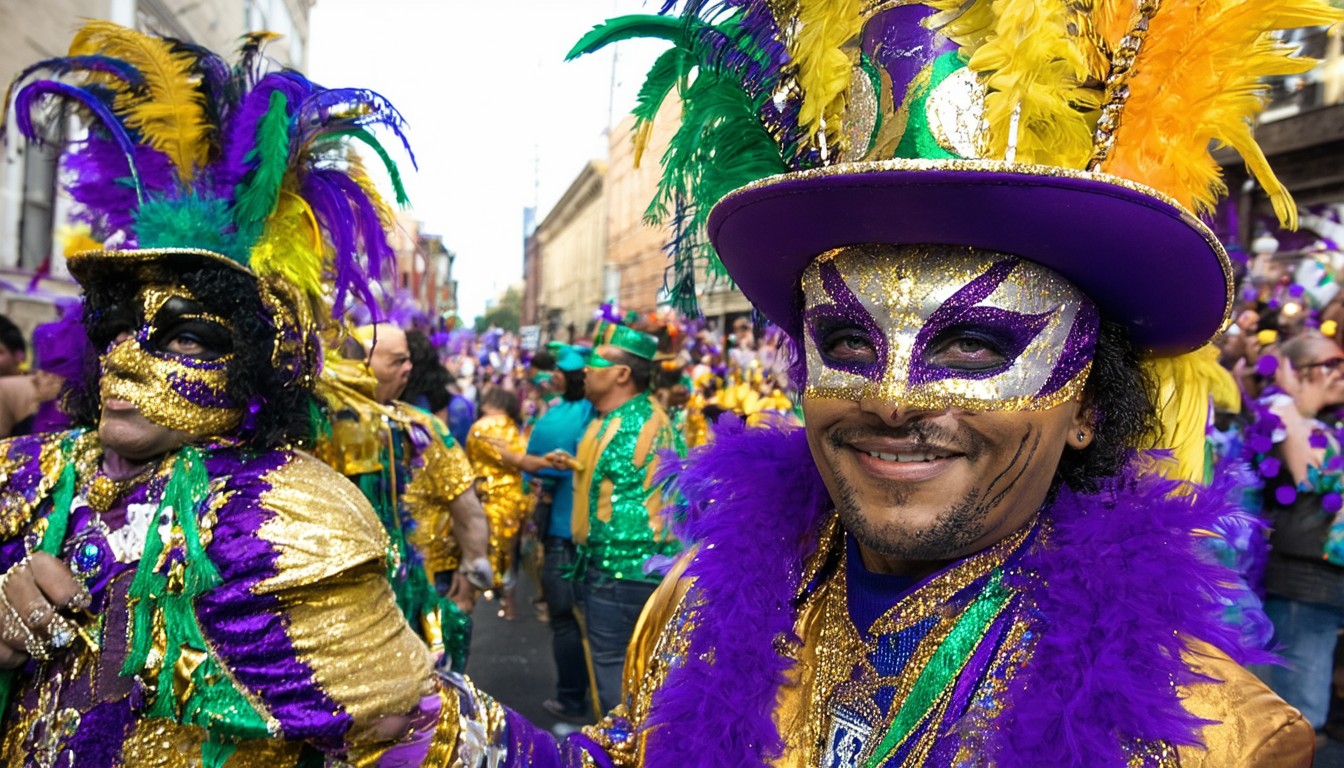
Each year, as winter’s chill begins to ebb, cities around the world ignite with color, music, and revelry for one of the most iconic global celebrations—Fat Tuesday, also known as Mardi Gras. In 2025, Fat Tuesday falls on March 4, a date circled by millions who cherish the joy, history, and community that this day brings. While New Orleans is synonymous with the festival, its roots and rituals stretch across continents, capturing imaginations with a unique blend of heritage and spectacle.
The Origins and Evolution of Fat Tuesday
Ancient Beginnings and Global Influence
Fat Tuesday is the exuberant culmination of Carnival season, a tradition that traces its origins back centuries. Early forms of Carnival emerged from pre-Christian pagan festivals in Europe, later adapted as Christianity spread. Mardi Gras, French for “Fat Tuesday,” refers to the final day before Ash Wednesday and the start of Lent—a 40-day period of fasting and reflection in the Christian calendar.
In its earliest days, communities enjoyed a final feast of rich foods—meat, eggs, sugar—before fasting began. Over time, this practical celebration gained spiritual symbolism and adapted to local cultures, eventually evolving into elaborate public festivities marked by parades, masks, and indulgence.
New Orleans: The Epicenter of Mardi Gras
No city embodies the spirit of Fat Tuesday quite like New Orleans. Since the first recorded Mardi Gras parade in Louisiana in 1837, the event has grown into a city-defining festival, drawing over a million visitors annually. The parades are orchestrated by social organizations known as “krewes,” each with its own history, symbols, and meticulously crafted floats.
Beyond the spectacle, many New Orleanians see Mardi Gras as a living testament to regional identity and creativity. As Dr. Charles Chamberlain, a historian at the University of New Orleans, notes:
“Mardi Gras is more than a party—it’s an expression of community resilience, blending diverse cultures into a shared narrative of celebration.”
Traditions That Define Fat Tuesday
Iconic Symbols and Rituals
Several customs define the Mardi Gras experience:
- King Cake: A sweet pastry decorated in purple, green, and gold, with a tiny baby figurine hidden inside. Tradition holds that whoever finds the baby must host the next king cake party.
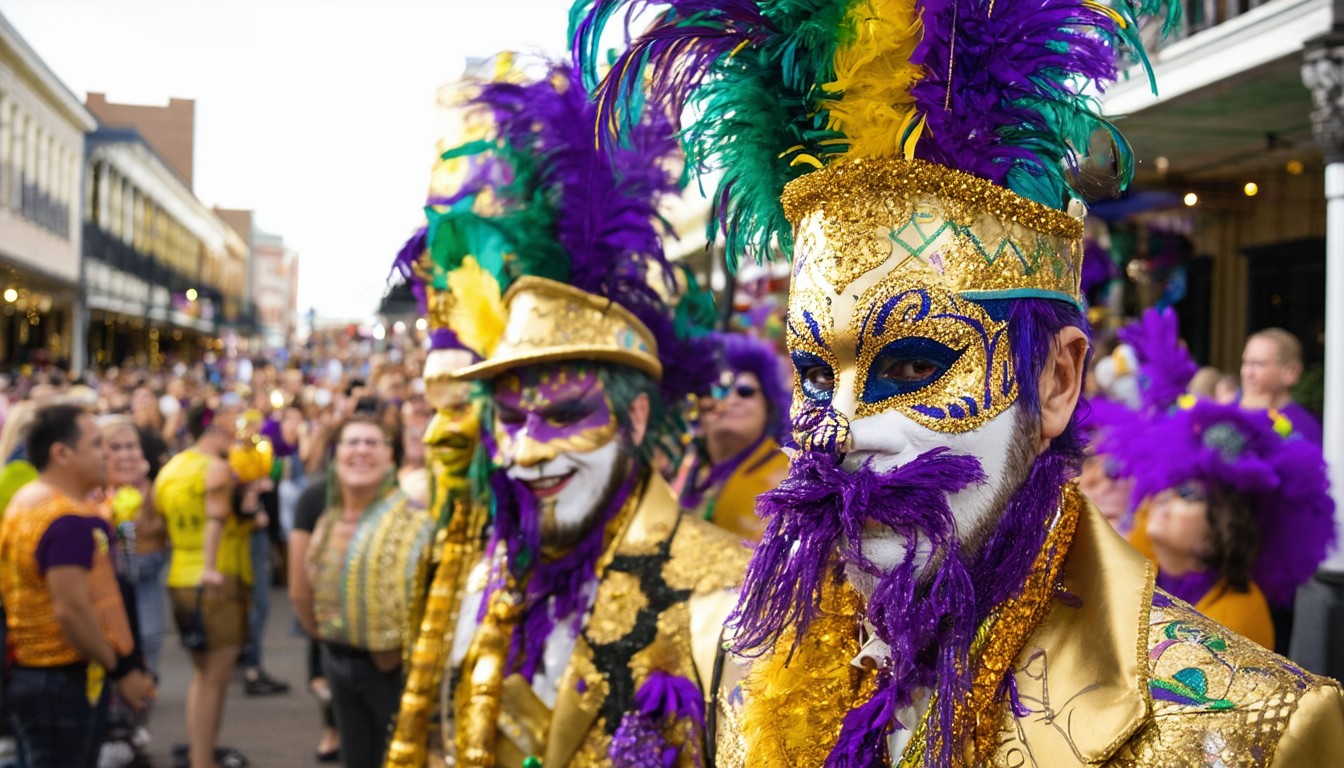
- Costumes & Masks: Concealing one’s identity allowed all, regardless of social status, to join in the fun. Modern costumes range from historical reenactments to extravagant, feathered ensembles.
- Throws: Beads, coins (“doubloons”), and trinkets tossed from parade floats have become coveted souvenirs. Catching a prized throw is considered a highlight for many attendees.
Local Variations and Global Spin
While New Orleans is the archetype, Fat Tuesday celebrations adapt to local customs worldwide:
- Venice Carnival: Famous for ornate masks and baroque elegance.
- Rio Carnival: Features samba parades and dazzling, rhythmic pageantry.
- Mobile, Alabama: America’s oldest Mardi Gras, with deep French and Spanish influences.
Smaller communities across the Gulf Coast, the Caribbean, and even Europe maintain their own iterations—proving Mardi Gras is a remarkably versatile tradition.
Planning for Fat Tuesday 2025: Celebrations and Insights
Key Dates and Season Timeline
In 2025, Mardi Gras Day (Fat Tuesday) is March 4, but Carnival season begins with Epiphany (January 6), peaking in the two weeks prior to Fat Tuesday. Parades, masquerade balls, and cultural events roll out across New Orleans and beyond throughout February, requiring locals and visitors alike to plan ahead for travel, accommodations, and parade schedules.
Experiencing Mardi Gras Safely
With increased tourism and large crowds, city officials and organizers prioritize safety and accessibility. Law enforcement, medical tents, and designated family-friendly zones are standard. Many families choose to watch parades from historical St. Charles Avenue for a more relaxed environment, while night parades light up the French Quarter for thrill-seekers.
A post-pandemic era has brought renewed attention to public health, prompting enhanced sanitation, improved crowd control, and hybrid celebrations, including virtual events and live streaming for those unable to travel.
Celebrating Beyond New Orleans
Major cities like Galveston, St. Louis, and San Diego have cultivated their distinctive Mardi Gras traditions, drawing inspiration from New Orleans while infusing local flavor. Community organizations often host charity balls, food festivals, and art markets that honor Mardi Gras’ roots and foster inclusiveness.
Economic and Cultural Impact of Mardi Gras
Tourism and Business Vitality
Fat Tuesday is not just a cultural phenomenon; it fuels local economies. In cities like New Orleans, Mardi Gras injects hundreds of millions of dollars into restaurants, hotels, and entertainment businesses. Retailers, costume designers, and artists rely on Mardi Gras season for a significant share of annual revenue.
For many smaller businesses, the festival season represents “make-or-break” weeks:
“Mardi Gras isn’t just a celebration—it’s a lifeline for local shops and service workers who depend on the surge of visitors and community spirit,” says Jamie Wilson, a long-time French Quarter business owner.
Community Building and Philanthropy
Beyond the economic windfall, many krewes and organizations use Mardi Gras as an opportunity for philanthropy, supporting causes ranging from local schools to disaster relief. Parades are inclusive, often highlighting underrepresented groups and reinforcing bonds among residents.
Modern Developments and Trends for Fat Tuesday 2025
Sustainability and Inclusivity
Recent years have sparked conversations around sustainability. Many krewes now prioritize eco-friendly throws and encourage recyclable materials, seeking to reduce the environmental impact of celebrations. Similarly, growing emphasis on accessibility accommodates those with disabilities or sensory sensitivities, ensuring that Mardi Gras remains a festival for all.
Digital Engagement and Global Reach
With the spread of digital media, Mardi Gras experiences have become increasingly accessible worldwide. Live streams, social media takeovers, and virtual parades enable broader participation, even for those who cannot attend in person. Hashtags like #MardiGras2025 and #FatTuesday2025 trend across platforms, expanding the festival’s cultural footprint.
Conclusion: Fat Tuesday 2025 and the Living Spirit of Mardi Gras
Fat Tuesday 2025 stands as a powerful reminder that tradition is both a look back and a leap forward. Rooted in centuries-old practice, Mardi Gras continues to shape and be shaped by modern values—resilience, joy, community, and inclusivity. Whether attending a parade in New Orleans, savoring king cake at home, or joining a virtual gathering, the heart of Fat Tuesday beats with universal themes: celebration, togetherness, and cultural pride.
As the world prepares for another season of revelry, Mardi Gras remains a testament to the enduring value of coming together to share joy, reflect on heritage, and look ahead with hope.
FAQs
When is Fat Tuesday in 2025 and how is its date determined?
Fat Tuesday falls on March 4, 2025. Its date varies each year, as it is always the day before Ash Wednesday, which begins the Christian season of Lent.
What are some essential items to bring for attending a Mardi Gras parade?
Visitors are encouraged to bring comfortable shoes, weather-appropriate clothing, reusable bags for caught throws, and any necessary health or safety supplies. Arriving early helps secure a good spot along the parade route.
Can children participate in Mardi Gras celebrations?
Yes, many parades and events are family-friendly, especially those held along St. Charles Avenue in New Orleans. Families often enjoy daytime parades, while the French Quarter tends to be more adult-oriented during Mardi Gras.
How can local businesses benefit from Mardi Gras?
Mardi Gras generates significant economic activity, benefiting hotels, restaurants, costume shops, and vendors. Many businesses develop special Mardi Gras products or offers to capitalize on increased demand.
Are there virtual ways to experience Fat Tuesday if I can’t attend in person?
Absolutely. Many cities now offer live streams of major parades, digital events, and virtual tours. Social media platforms also host interactive content under event-specific hashtags.
What steps are being taken to make Mardi Gras more sustainable and inclusive?
Many krewes now use eco-friendly throws and recyclable materials to reduce waste. There’s growing attention to accessibility, with sensory-friendly zones and support for those with special needs.
















Leave a comment