


The 512 area code is more than just digits on a phone display—it’s a symbol of the region it serves, encompassing a rich blend of culture, history, and rapid technological growth. Originally established in one of Texas’s fastest-growing regions, 512 has become synonymous with innovation, vibrant communities, and the pulse of Central Texas. Whether you’re curious about a caller’s origin, considering relocation, or managing business contacts, understanding the 512 area code provides meaningful insights into life and work in one of America’s most exciting metropolitan areas.
Where Is the 512 Area Code Located?
Central Texas anchors the 512 area code, with its most prominent presence in the state capital, Austin. Introduced in 1947 as one of the original North American Numbering Plan codes, 512 was originally vast—covering large parts of southern and central Texas. Over the decades, population booms and increased demand for phone numbers prompted a shrinking of its geography through splits and overlays.
Today, the 512 area code mainly covers:
- Travis County, home to Austin
- Parts of Williamson, Hays, Caldwell, Bastrop, and Burnet counties
This region stands at the crossroads of Texas’s political, educational, and technological spheres, acting as a significant hub for commerce, start-ups, government, and higher education.
The Overlay: Area Code 737
In response to the digital age’s explosive device demands, the 737 overlay was introduced in 2013, meaning residents and businesses now receive either a 512 or 737 phone number within the same service area.
Major Cities and Communities in the 512 Area Code
While Austin commands national attention, the 512 area code blankets a diverse array of communities, each contributing a unique texture to the region. Here are the most notable:
Austin: The Tech-Forward State Capital
As the eastern anchor of the Texas Hill Country, Austin is known for its blend of live music, technology, and food culture. The city is home to major companies such as Dell, Whole Foods Market, and a rapidly expanding roster of tech start-ups.
“The 512 area code has become synonymous with Austin’s transformation into a nationally recognized tech hub, drawing both talent and capital from across the U.S.,” says urban analyst Marcus Feldman, highlighting the region’s dynamic growth.
Other Prominent Cities and Towns
Beyond Austin, the area code includes:
- Round Rock: A key player in the region’s tech landscape and headquarters to Dell Technologies.
- San Marcos: Known for Texas State University and a vibrant outlet shopping scene.
- Georgetown: Famous for its preserved Victorian square and fast-growing residential communities.
- Buda and Kyle: Rapidly suburbanizing towns that reflect Austin’s housing crunch and ongoing expansion.
Smaller towns like Lockhart, bastion of Texas barbecue, and Bastrop, gateway to scenic parks, also fall within this area code’s bounds.
The 512 Area Code Map: Visualizing the Region
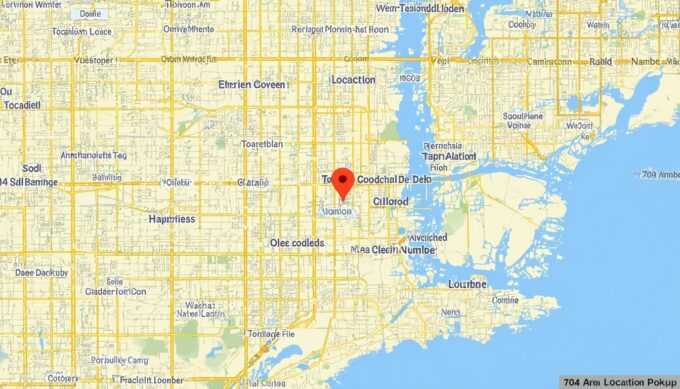
Mapping the 512 area code reveals the tapestry of urban and rural life spanning Central Texas. The area stretches from the northern outskirts of Austin down to communities south of San Marcos. A visual journey across its expanse highlights:
- The Colorado River meandering through the heart of Austin
- Lush Hill Country landscapes in the west
- Emerging tech corridors along I-35, the region’s major north-south artery
- Rapidly growing neighborhoods in Williamson and Hays counties
With both established and up-and-coming suburbs dotting its territory, the 512 area code mirrors the growth patterns of Texas itself—a blend of legacy and forward movement.
History and Evolution of the 512 Area Code
When initially implemented in 1947, the 512 area code swept across a vast swath of southern Texas, even encompassing border regions. Over time, as Texas grew, so did the need to divide up area codes:
- March 1992: The western and southern portions, including San Antonio and the Rio Grande Valley, were assigned the 210 and 361 area codes, respectively.
- 2013 Overlay: To address number exhaustion driven by population growth and mobile device usage, the 737 area code was introduced as an overlay. From this point, ten-digit dialing became mandatory for all local calls within the region.
This growth-driven reshuffling underscores the rapid social and economic changes that have defined Central Texas over the past 30 years.
How to Perform a 512 Phone Number Lookup
Curiosity about an unknown caller or business often leads to searching for the origin of a 512 phone number. Fortunately, several resources—both public and private—exist for phone number lookups:
Using Online Reverse Lookup Services
Numerous web platforms offer reverse phone lookups, allowing users to enter a 512 number and receive details such as:
- Registered owner or business name (when available)
- City and county of origin
- Carrier information
While some basic details are freely available, most comprehensive lookup services are provided for a fee.
Recognizing 512 Area Code Scams
As with all area codes, the popularity of 512 has led to occasional abuse by scammers, especially those posing as local businesses, government agencies, or tech support. Users are advised to:
- Screen unfamiliar 512 numbers
- Avoid disclosing personal details via unsolicited calls
- Verify the legitimacy of callers before financial or sensitive transactions
Consumer protection agencies in Texas regularly update scam alerts and offer resources for reporting suspicious numbers.
512 Area Code in Business and Technology
The reputation of the 512 area code extends beyond personal communications—it’s a branding tool and a badge of local authenticity. In Austin, new tech start-ups and small businesses often celebrate having a “512 number,” leveraging it in marketing materials to emphasize local connections.
For larger firms and remote workers, maintaining a 512 area code number can communicate regional expertise and accessibility, particularly in industries like real estate, tech consultancy, and food service.
Beyond marketing, the practical strain on 512 phone number availability reflects the intense entrepreneurial energy and job market expansion that have defined the greater Austin area for over a decade.
Key Takeaways and Strategic Outlook
The 512 area code is a window into Central Texas’s transformation—from a quieter capital region to a standout hub for innovation, culture, and population growth. For residents and businesses alike, a 512 number carries both logistical and symbolic value, signaling a stake in one of the nation’s most vibrant regions. As Austin and its neighboring communities continue to expand, the significance and utility of the 512 area code will only deepen.
FAQs
What cities are included in the 512 area code?
The 512 area code covers Austin and several surrounding cities, including Round Rock, San Marcos, Georgetown, Buda, Kyle, and parts of smaller communities in Travis, Hays, Williamson, Bastrop, Caldwell, and Burnet counties.
When was the 737 overlay added to the 512 area code?
The 737 area code overlay was introduced in 2013 to address the region’s growing demand for phone numbers, particularly due to population growth and an uptick in mobile devices.
Are 512 phone numbers considered local in Central Texas?
Yes, 512 numbers are considered local within the Central Texas region, including Austin and neighboring towns. Both 512 and 737 numbers connect to the same geographic service area.
How do I find out who owns a 512 number?
You can use online reverse lookup tools or commercial directory services to trace the registered owner, business, or location of a 512 area code phone number, though full details may require a paid service.
Is receiving calls from 512 numbers always safe?
Not always. While many 512 numbers are legitimate, scammers occasionally spoof local area codes to gain trust. Always verify the identity of unfamiliar callers before sharing personal information.















Leave a comment