

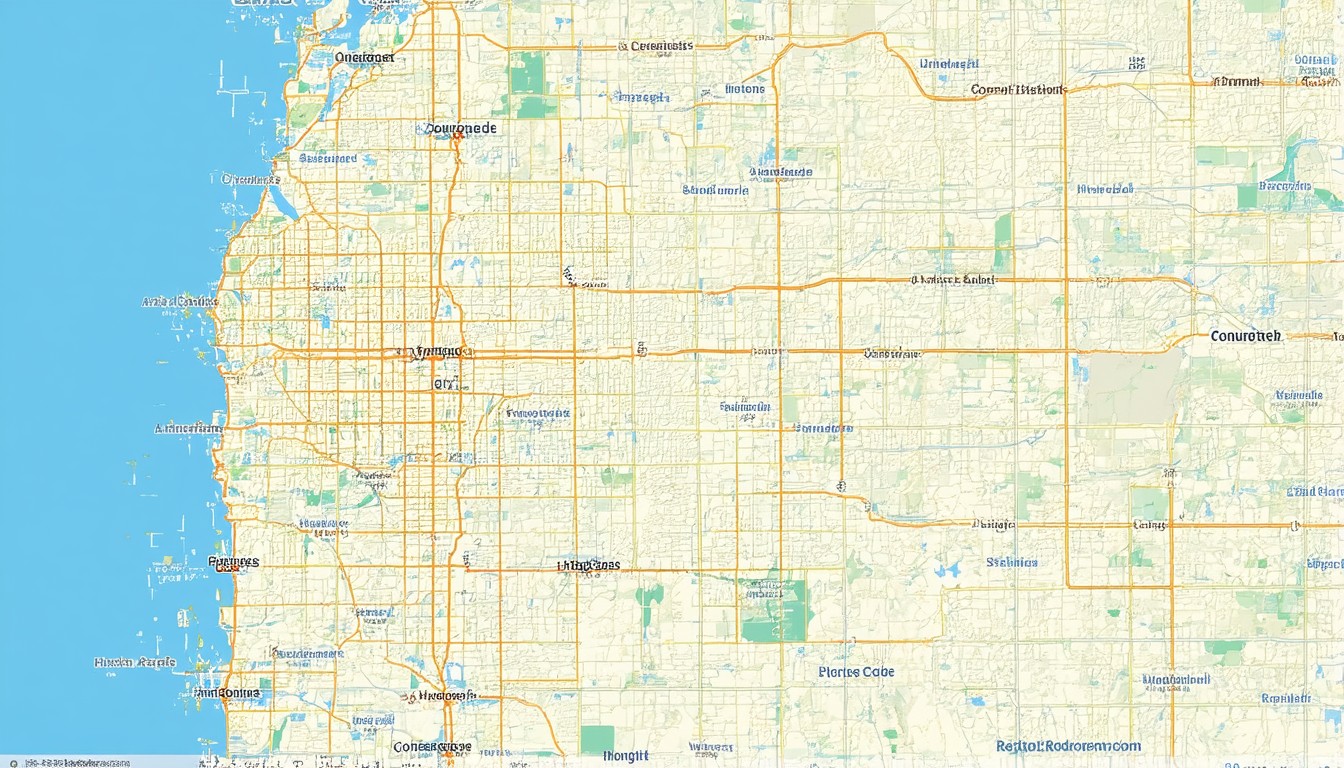
The 480 area code is emblematic of Arizona’s vibrant growth, technological expansion, and shifting population centers. Introduced near the turn of the millennium, this area code has become a staple for residents and businesses in the eastern suburbs of Phoenix—one of the fastest-growing metropolitan regions in the United States over the past several decades. Understanding the 480 area code’s origins, its geographic boundaries, and how it functions today illuminates the evolving landscape of telecommunications and demography in the American Southwest.
Geographic Coverage: Mapping the 480 Area Code in Arizona
Major Cities and Communities Served
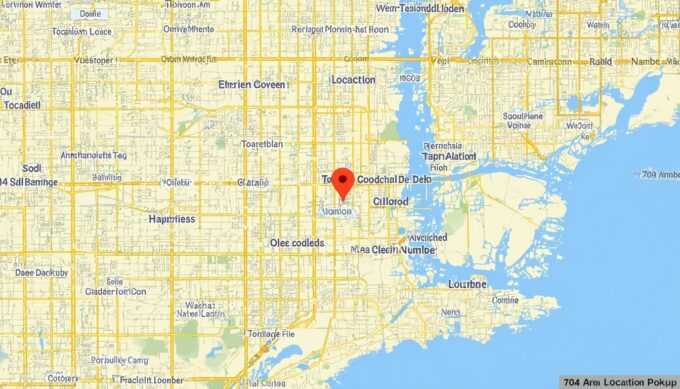
Designated in 1999, the 480 area code was created to accommodate increasing demand for new phone numbers, a consequence of booming economic development and a surging population in Arizona’s Maricopa County. It serves a significant swath of eastern Phoenix and its adjacent communities. Notable cities within the 480 coverage map include:
- Mesa
- Chandler
- Scottsdale
- Tempe
- Gilbert
- Apache Junction
- Fountain Hills
- Queen Creek
Each of these cities has experienced steady population increases, with communities like Chandler and Gilbert regularly ranked among the country’s top locations for young families and professionals.
Boundaries and Neighboring Area Codes
The 480 region shares borders with two other prominent Arizona area codes—602 and 623—which together form a triad covering the greater Phoenix metro. In practice, the boundaries between 480, 602, and 623 represent more than just lines on a map; they mirror the patterns of suburban development on Phoenix’s fast-spreading urban edge. The 602 area code generally covers central Phoenix, while 623 serves the western and northwestern suburbs.
Area Code Overlays and Technological Implications
Originally, 480, 602, and 623 operated as a split system, with each serving a distinct geographic area. As mobile adoption surged and landline numbers became less dominant, overlays and number pooling have blurred boundaries. Today, most new phone numbers may be subject to overlay plans—a reality that reflects the continuous shift toward more flexible, digital-centric communications.
“The introduction of the 480 area code was a direct response to the explosion in telecom devices—cell phones, fax machines, and internet lines—at the turn of the 21st century. Its continued importance underscores just how rapidly Arizona has modernized.”
— Michelle Kearns, Arizona Telecommunications Historian
The History and Significance of the 480 Area Code
Why Was the 480 Area Code Created?
In the late 1990s, Phoenix’s metropolitan region underwent unprecedented growth, especially in high-tech sectors and housing. The surge in population and the accompanying rise in the number of telecommunication devices—home phones, cell phones, pagers, and fax machines—quickly exhausted available numbers within the original 602 area code.
The solution was to split 602 into three distinct codes: 480 for the East Valley, 623 for the West Valley, and a reduced 602 for Central Phoenix. This type of split was common nationwide as urban populations boomed and wireless technology took hold. The North American Numbering Plan (NANP), the legislative framework controlling telephone numbering in the U.S., guided the allocation and assignment process.
Long-Term Effects of the Split
The creation of 480 was more than a logistical change; it was emblematic of East Valley’s emergence as a major economic engine. Cities like Scottsdale became synonymous with upscale living and a burgeoning tech sector, while Mesa grew into one of America’s most populous cities. The area code has become part of the cultural identity, often seen on local business signage and community campaigns.
480 Area Code in Business and Personal Communication
Popularity for Businesses
Businesses in the 480 area code enjoy an association with innovation and growth, owing both to the economic profile of the region and the strong local consumer base. The code is recognized across Arizona and often preferred by companies aiming for credibility in East Valley markets.
For startups and technology firms, a 480 number signals a connection to Arizona’s “Silicon Desert.” Realtors, healthcare groups, and service companies also benefit from distinct local recognition and trust conferred by a familiar area code.
Trends in Phone Number Usage
Beyond traditional landlines, most phone numbers in the 480 area code now belong to mobile devices or VoIP services. This shift mirrors national trends, where mobile phone adoption has dramatically reduced dependence on landlines. As a result, acquiring a 480 number through digital forwarding services or virtual offices is increasingly common—a critical resource for remote teams and transplants seeking localized branding.
Scam and Spam Considerations
Like all area codes, 480 numbers have occasionally been used in scam or spoofing efforts. However, regulatory and carrier-based efforts continue to evolve, employing caller authentication and public awareness to curb abuse. Local authorities advise consumers to maintain caution with unfamiliar numbers, regardless of area code.
How to Get a 480 Area Code Number
For Residents
Most residents in East Valley cities are assigned 480 numbers automatically when setting up new mobile or residential service through carriers such as Verizon, AT&T, and T-Mobile, or VoIP services like Google Voice.
For Businesses
Companies seeking a local presence can request 480 area code numbers directly from major telecom providers or through hosted VoIP service platforms. Many national virtual business number providers now enable customers to choose a 480 prefix regardless of physical office location, enhancing geographic appeal for customer-facing operations.
Key Steps to Acquire a 480 Number:
- Select a service provider—mobile carrier, landline, or VoIP.
- Confirm that a 480 area code is available for new numbers at signup.
- Follow the provider’s verification and address confirmation process.
- For multiple lines, consider business number allocation or pooled plans.
The Future of the 480 Area Code
Arizona’s steady influx of new residents, remote workers, and businesses keeps the demand for localized numbers strong. While overlays and number portability may someday make individual area codes less prominent, for now the 480 prefix still offers both a sense of place and a practical advantage for area residents and enterprises.
Telecom experts regularly review usage trends to anticipate potential splits or overlays—but with current pooling and technological improvements, the 480 area code is projected to remain stable for the foreseeable future.
Conclusion
The 480 area code is more than a telecommunications detail—it’s a reflection of Arizona’s growth, its innovation-driven economy, and the communities that shape the East Valley. As the region continues to evolve, the 480 prefix will likely persist as both a practical and cultural marker for one of the nation’s most dynamic urban areas. Navigating its boundaries, significance, and future is essential knowledge for residents, newcomers, and businesses looking to thrive in the Valley of the Sun.
FAQs
What cities use the 480 area code?
The 480 area code primarily serves Mesa, Chandler, Scottsdale, Tempe, Gilbert, Apache Junction, Fountain Hills, and Queen Creek in the Phoenix metropolitan area.
Can I request a 480 area code if I live outside Arizona?
Yes, many VoIP and virtual number providers allow users to select a 480 area code for personal or business use, regardless of their physical location.
Why was the 480 area code split from 602?
The 480 area code was split from 602 in 1999 to relieve demand on available phone numbers due to the rapid population growth and increased telecom use in the Phoenix area.
Are 480 area code phone numbers prone to scams?
While there have been cases of spoofing or scam calls using the 480 area code, it is not more susceptible than most other area codes. Consumers should be vigilant with all unfamiliar calls.
Will the 480 area code be discontinued or changed soon?
No major changes to the 480 area code are currently anticipated, and it is expected to remain active for the foreseeable future thanks to number pooling and modern telecom management.
How do I get a 480 area code number?
To obtain a 480 number, contact your service provider—mobile, landline, or VoIP—and request a number with that prefix. Availability may depend on current demand and provider options.















Leave a comment