

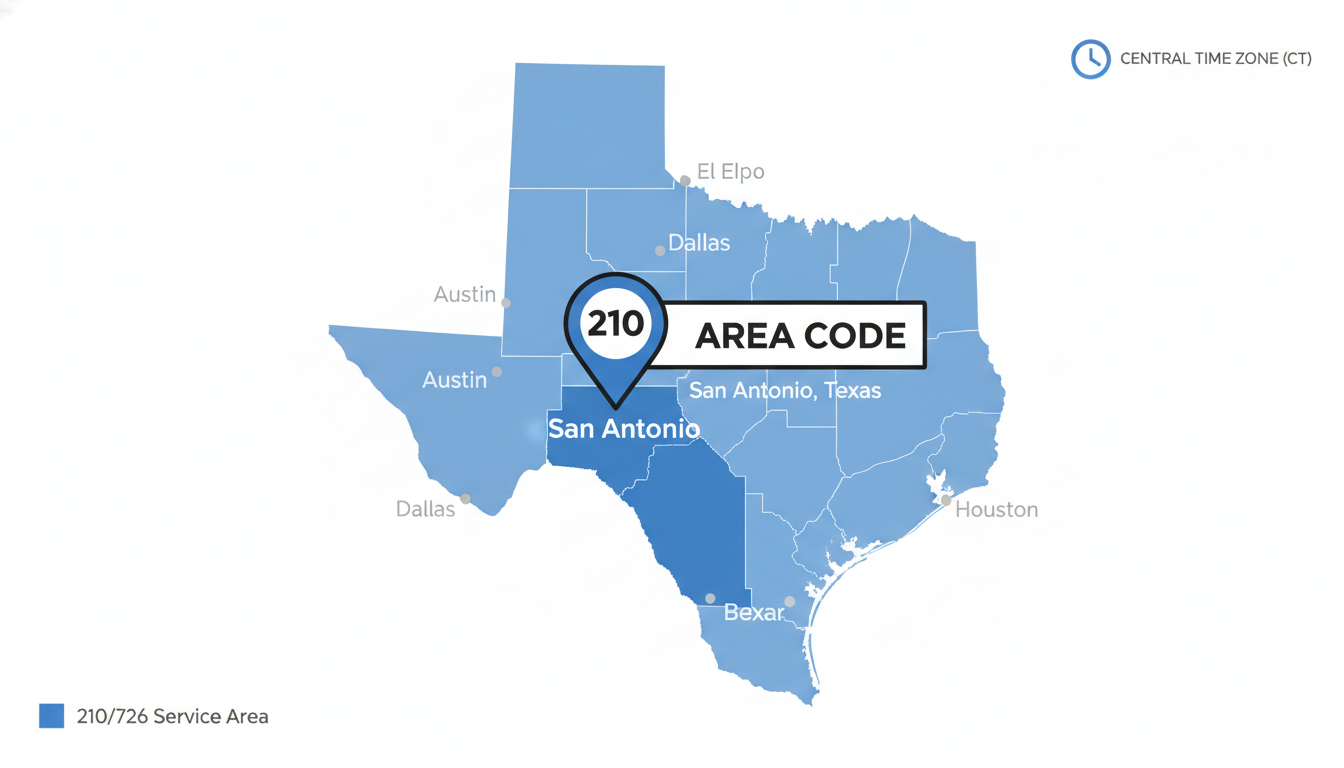
You might not think twice about the phone number prefix before dialing, but for those connected to San Antonio and parts of South Texas, the 210 area code carries a subtle weight. Over time, it’s become more than just digits—it’s a local identifier, a nod to regional identity, and a technical backbone that still matters amid evolving communication trends. Let’s unravel what makes it tick—warts, quirks, and all.
Historical Roots and Coverage of 210
The 210 area code was created in the mid-1990s to address burgeoning demand for phone numbers in and around San Antonio. Before that, both San Antonio and its suburban neighbors were lumped under the broader 512 code. This change helped manage rapid population growth and the proliferation of devices needing numbers—something that might sound familiar with smartphones and IoT today.
The region it serves includes:
– San Antonio’s urban core
– Nearby suburbs like New Braunfels, Schertz, and Converse
– Some unincorporated pockets in South Texas
There’s a human story here too: people immediately recognized “210” as theirs. That local stamp builds a vague but powerful sense of connection—and maybe a bit of pride. After all, area codes can feel like hometown nicknames.
Why It Still Matters in a Mobile World
Some folks argue that in 2026, area codes are quaint relics—after all, most people recognize each other by name, app handles or video feeds. On the other hand, area codes still matter in several ways.
Local Identity & Recognition
For businesses, a 210 number signals you’re local—customers feel a certain familiarity. Even in marketing emails and outreach, recipients see that number and subtly perceive credibility.
Routing and Call Handling
Behind the scenes, phones and networks still rely on area codes for call routing and organization. Particularly for traditional landlines and small-scale infrastructure, the area code guides how systems treat and direct the call.
Community, Culture, and Continuity
Area codes can become cultural shorthand, especially over decades. In San Antonio, “going 210” might just be shorthand for representing the city—a bit like “The 305” in Miami or “The Bronx, 718.” It’s intangible, but real.
The Tech Side: Number Allocation and Overlays
So how are numbers actually assigned in 210? The North American Numbering Plan Administrator (NANPA) oversees allocations. When telephone carriers request blocks of numbers, NANPA doles them out within the 210 range—until they run low, that is.
As of now, there’s no overlay code in place for San Antonio. Unlike some major metro areas that now use multiple codes for the same region, 210 remains singular—but that could change if demand surges again.
In a few years, if millions more devices or businesses emerge without number block reclaims, NANPA could introduce an overlay: a new area code covering the same geographic space as 210. It’s happened elsewhere to avoid having to split regions and force switchover among customers.
Real-World Impacts: Businesses, Residents, and Service Providers
Here’s where reality meets theory. Local businesses often prefer a 210 number because:
– Customers in local service areas trust familiar numbers.
– Marketing materials feel more authentic.
– Phone transactions—appointments, orders, bookings—just land easier.
On the flip side, some digital-only businesses or remote workers don’t mind using virtual numbers or toll-free lines—especially if their market isn’t location-bound.
For households, the shift to mobile-first communication has downplayed area codes. Yet for elder family members comfortable with landlines, having known “210” remains comforting, like calling Grandma’s old house by its area code feels part of the ritual.
Future Outlook: What Might Be Coming for 210
Thinking ahead, what could happen?
1. An overlay introduction if number exhaustion becomes a concern—leading to dual codes for the same region.
2. Growing use of VoIP and virtual numbers reducing local-first emphasis—possibly reducing overt attention on the code itself.
3. Increased reminders of regional identity—think city campaigns, area-code nostalgia merchandise (tees, bumper stickers)—if cultural value continues to grow.
But, on balance, 210’s staying power seems tied to both tradition and technical necessity. It’s one of those rare things that bridges practical function and sticky memory.
“People might not notice area codes day to day, but they notice when the code changes—or when a business doesn’t have the expected local prefix. That subtle distinction still matters,” says a telecommunications analyst.
Conclusion: The Quiet Importance of the 210 Code
All things considered, the 210 area code may seem mundane, but it’s quietly integral to how San Antonio connects—technically, socially, and commercially. It still shapes how businesses market, how people feel, and how calls travel. Keep an eye on number demand trends and local Nostalgia—I suspect both will keep 210 safe for now.
FAQs
Q: Is the 210 area code still widely used in San Antonio today?
A: Yes, it remains the predominant code for both landlines and mobiles in the San Antonio region, with no overlay yet implemented.
Q: Could there be a new area code added to the region soon?
A: It’s possible if number supply becomes tight. In that case, authorities might introduce an overlay rather than split the area, meaning two codes serve the same territory.
Q: Why do some businesses prefer a 210 number?
A: Local numbers often inspire trust and familiarity among customers, reinforcing brand identity and improving engagement.
Q: Does using a 210 number increase call reliability or quality?
A: Not directly—modern telecom systems focus more on network infrastructure and provider quality. But routing systems still rely on area codes behind the scenes.
Q: What does no overlay mean for residents?
A: It means everyone in the region continues using just 210 when dialing locally, without needing to adjust to a second code.
Q: Is there any cultural significance tied to “210”?
A: Definitely. For many residents, 210 is a shorthand for civic pride and belonging—like a silent local handshake across generations.
Estimated word count: ~920 words














Leave a comment