

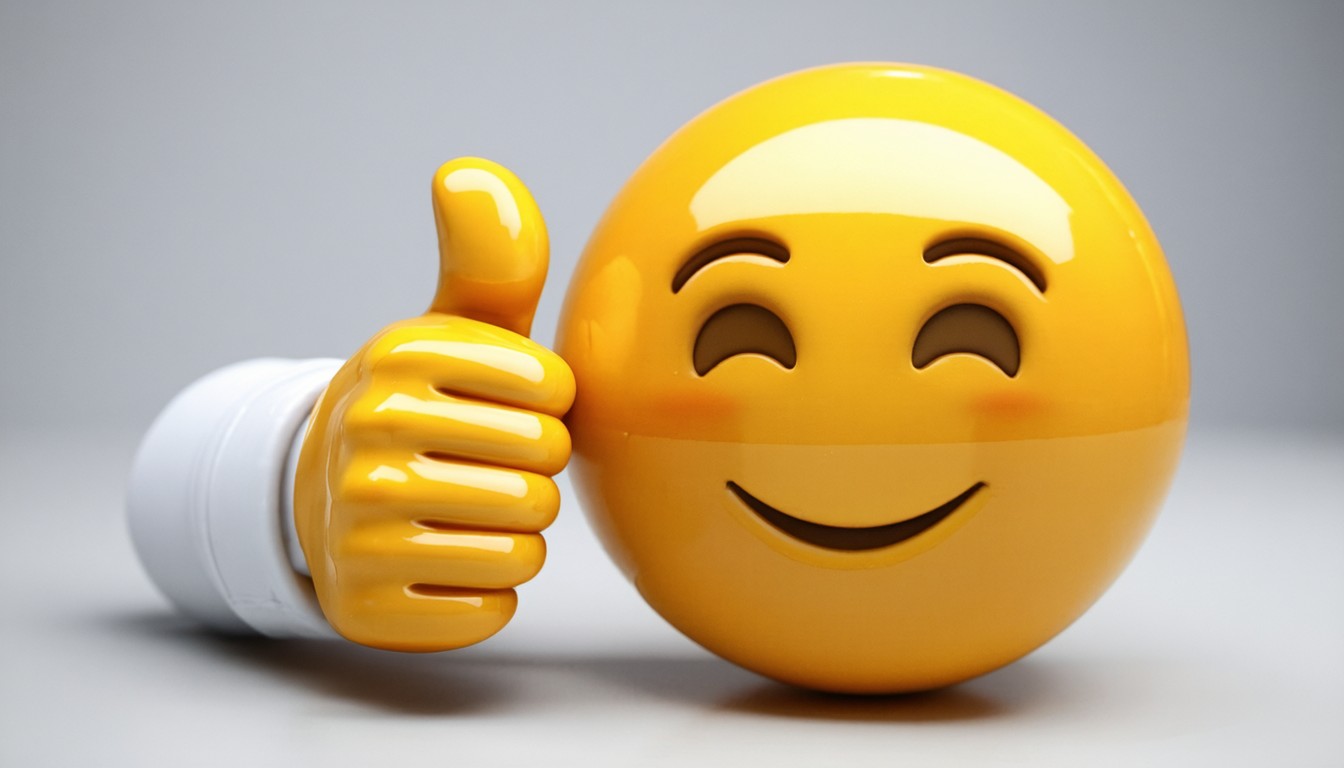
The thumbs up emoji (👍) has rapidly become one of the most recognized digital gestures worldwide. Whether used in business chats, social media, or personal text messaging, this simple symbol often communicates affirmation, approval, or agreement. In an era where non-verbal cues are absent from most digital interactions, emojis like 👍 play a crucial role in conveying tone and intent.
Nuanced Uses Across Cultures and Contexts
On social platforms like WhatsApp, Twitter, and Instagram, the thumbs up emoji commonly signals positivity or a job well done. However, context and audience matter deeply. For instance, in some professional settings, using 👍 in response to a detailed message may seem dismissive rather than supportive. Cultural interpretations also come into play; while many Western users view it as encouraging, in some countries, the gesture can carry different nuances—or even be perceived as rude.
Recent surveys on workplace messaging habits indicate that emojis like 👍 can help soften blunt messages, but generational differences persist. Younger users are often more comfortable using the emoji for everything from genuine agreement to light sarcasm. Meanwhile, older colleagues may interpret it more literally.
“The thumbs up emoji has evolved from a simple gesture of approval to a multifaceted symbol whose meaning shifts with context, user, and platform,” notes Dr. Penelope Myers, a digital communication researcher.
How to Copy and Paste the Thumbs Up Emoji
Ease of use is one of the reasons for the emoji’s popularity. Most devices and platforms offer straightforward ways to add 👍 to your messages:
- On smartphones, the emoji is usually in the default emoji keyboard.
- On Windows, you can press
Windows Key + .(period) to open the emoji panel. - On MacOS, use
Control + Command + Spaceto bring up emojis. - For quick copy-paste, simply highlight 👍 and use your system’s copy shortcuts.
Beyond practical tips, consistency of appearance across platforms helps maintain its universal appeal. However, slight design changes by Apple, Google, and other providers may subtly shift the tone.
Conclusion
The thumbs up emoji remains a universal shorthand for approval, but context and cultural differences can shape its meaning. Being mindful of recipient, relationship, and platform ensures 👍 conveys positive intent—rather than confusion or unintended offense.
FAQs
What does the thumbs up emoji mean?
It generally signals agreement, approval, or positive acknowledgment, but exact meaning depends on context and culture.
Is the thumbs up emoji always positive?
While usually positive, it can be interpreted as dismissive or passive-aggressive depending on factors like workplace hierarchy or relationship.
How do I type or copy the thumbs up emoji?
Access it through your device’s emoji keyboard, or highlight 👍 here and copy-paste it directly.
Are there generational differences in using the thumbs up emoji?
Yes; younger users may use it more casually or sarcastically, while older users tend to interpret it more literally.
Can the thumbs up emoji be considered rude?
In some cultures or formal settings, using 👍 may come off as curt or disrespectful, so it’s important to know your audience.












Leave a comment