
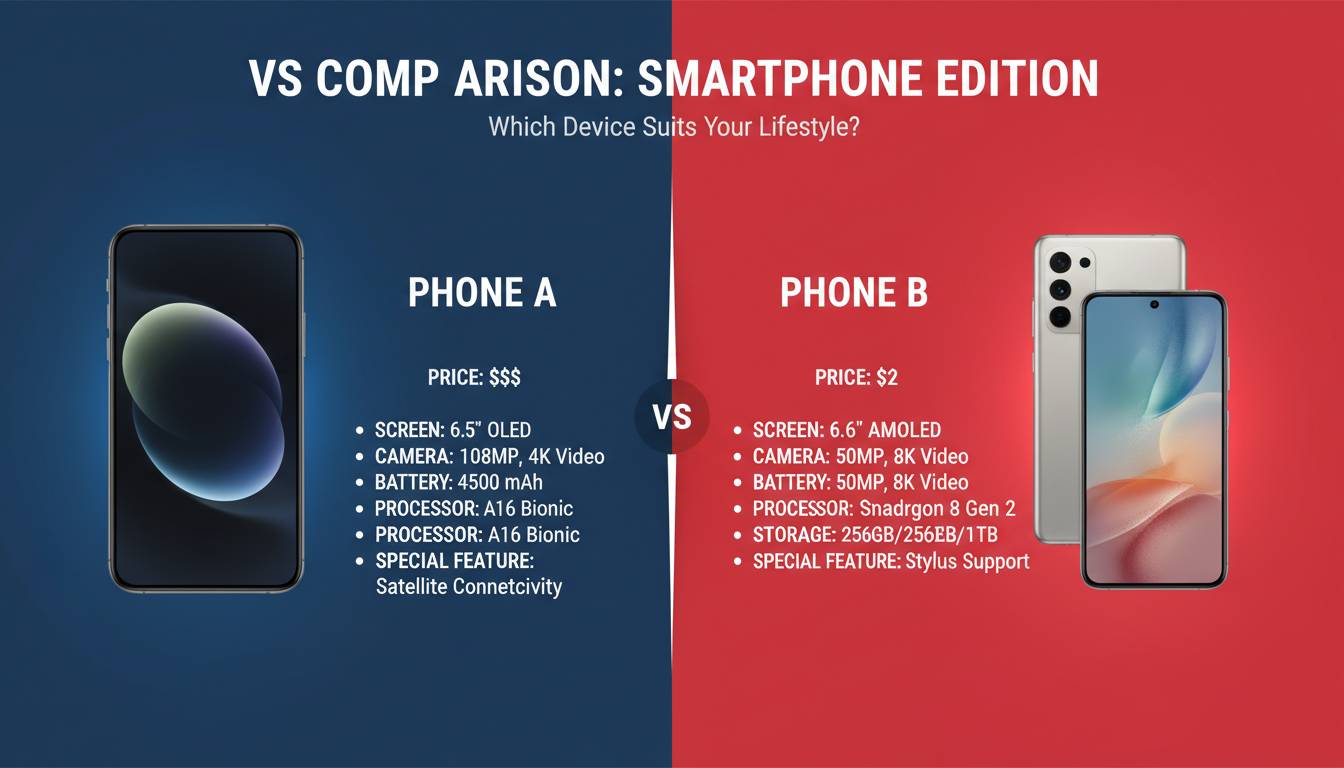
Choosing between iPhone and Android isn’t just about picking a phone—it’s selecting an entire ecosystem that shapes how you interact with technology, manage your digital life, and integrate with other devices. With smartphone penetration exceeding 90% among American adults and the average consumer spending over $800 on a new device, this decision carries real financial and practical weight. This comprehensive guide cuts through the marketing noise to deliver an objective comparison based on hardware, software, ecosystem, privacy, and long-term value.
Market Position and Ecosystem Overview
The smartphone market divides roughly into two dominant forces: Apple’s iOS, which captured approximately 55% of the US smartphone market as of 2024, and Google’s Android, controlling the remaining 45%. These aren’t just different operating systems—they represent fundamentally different philosophies about technology ownership and user freedom.
Apple designs both hardware and software, creating a tightly integrated experience where every component works precisely as intended. This vertical integration allows for optimized performance but limits customization. Android, conversely, operates as an open platform licensed to numerous manufacturers like Samsung, Google, Pixel, OnePlus, and others, enabling diverse hardware options at various price points.
Key Market Insights:
– Apple’s iPhone maintains a 90%+ customer loyalty rate, indicating strong satisfaction and ecosystem stickiness
– Android dominates globally with over 70% market share worldwide, though iPhone leads in developed markets
– The average iPhone user upgrades every 3-4 years, while Android users show slightly more variation in upgrade cycles
Understanding this foundational difference sets the stage for deeper analysis of specific factors that matter in daily use.
Hardware Comparison: Design, Build Quality, and Specifications
Build Philosophy and Variety
Apple’s iPhone lineup typically spans four to five models annually, from the standard base model to the Pro Max variants. This limited selection simplifies choices but restricts budget flexibility. Each generation introduces meaningful improvements, with the latest models featuring titanium frames, advanced camera systems, and proprietary chips that consistently benchmark among the fastest processors in mobile technology.
Android offers unprecedented variety. Flagship devices from Samsung’s Galaxy S and Z series, Google’s Pixel lineup, and premium offerings from OnePlus provide competition at every level. More significantly, Android dominates the budget and mid-range segments, with capable devices available from $200 to $1,500, compared to Apple’s $799 minimum for new iPhones.
Processing Power and Longevity
Apple’s A-series chips consistently outperform competitors in single-core performance, with the latest A17 Pro and A18 chips setting benchmarks that Android devices struggle to match in real-world usage. This processing advantage translates to smoother multitasking, faster app launches, and more efficient battery management.
However, Android flagships using Qualcomm’s Snapdragon 8 Gen 3 and Google’s Tensor G3 chips deliver comparable everyday performance, particularly in gaming and graphics-intensive applications. The gap has narrowed considerably, and for typical users browsing, messaging, and using social media, performance differences are imperceptible.
| Factor | iPhone | Android Flagship | Android Mid-Range |
|---|---|---|---|
| Starting Price | $799 | $699-$1,299 | $300-$600 |
| Processor Benchmark | #1 | #2 | Competitive |
| Update Support | 5-6 years | 4-5 years | 2-3 years |
| Resale Value (2yr) | ~50-60% | ~40-50% | ~20-30% |
Software Experience: iOS versus Android
User Interface and Customization
iOS prioritizes simplicity and consistency. Every iPhone follows identical navigation patterns, with swipe gestures controlling most functions and a uniform app grid organizing applications. This consistency reduces learning curves and creates predictable experiences across updates, though power users often find iOS restrictive.
Android embraces personalization. Home screen widgets, customizable icon packs, default app choices, and extensive settings let users tailor their experience extensively. Samsung’s One UI adds further customization layered on top of stock Android, offering features like split-screen multitasking and advanced battery management that iOS only partially matches.
App Ecosystem and Quality
The App Store and Google Play Store both offer millions of applications, but quality distribution differs. iOS historically receives app updates first, with developers prioritizing Apple’s platform for its higher average revenue per user. Some exclusive applications and games launch on iOS months before Android versions appear.
Android counters with greater file system access, enabling sideloading applications outside the official store—a feature valuable for developers, privacy-conscious users, and those in regions with limited app availability. Apple restricted this with iOS, maintaining strict gatekeeping over what runs on your device.
Software Updates and Security
Apple’s control over both hardware and software enables rapid, simultaneous updates across all supported devices. iOS 17 reached majority adoption within weeks of release, ensuring most users access latest features and security patches simultaneously.
Android’s update landscape remains fragmented. Google’s Pixel devices receive updates within days of release, while Samsung promises four to five years of updates for flagship phones. Other manufacturers show varied commitment, with many budget devices receiving only one or two major Android version upgrades. Security updates also follow inconsistent timelines across the Android ecosystem.
Camera Systems: Photography Capabilities
Hardware and Computational Photography
Modern smartphone photography transcends mere megapixel counts. iPhone 15 Pro and Pro Max feature 48-megapixel primary sensors with computational photography processing that consistently produces natural-looking images with excellent dynamic range. Apple’s Photonic Engine improves low-light performance while maintaining color accuracy across varied lighting conditions.
Android flagships match or exceed specifications. Samsung’s Galaxy S24 Ultra includes a 200-megapixel sensor, while Google’s Pixel 8 Pro leverages computational photography to deliver results that often surpass hardware limitations. Android devices typically offer more manual control, pro modes, and diverse shooting options appealing to photography enthusiasts.
Video Performance
iPhone maintains a clear advantage in video quality. The combination of hardware encoding, Cinematic Mode, and ProRes recording creates professional-grade footage directly from a smartphone. Android has improved dramatically but still trails in video consistency, particularly in challenging lighting conditions.
For casual users, both platforms capture excellent photos and videos. The distinction becomes meaningful primarily for content creators, videographers, or those prioritizing specific features like 8K recording or advanced slow-motion capabilities.
Ecosystem Integration: The Connected Device Reality
Apple’s Closed Garden
iPhone users gain seamless integration with other Apple products through iCloud, AirDrop, Handoff, and Continuity features. Starting an email on your iPhone and finishing it on your Mac, or answering phone calls on your iPad, demonstrates ecosystem advantages that Android struggles to match, especially for users already invested in Apple Watch, Mac, or Apple TV.
The Apple Watch remains the definitive smartwatch, with health features, app quality, and seamless integration that competitors haven’t replicated. Fitness tracking, sleep monitoring, and notification management work more cohesently within Apple’s ecosystem.
Android’s Open Approach
Android integrates more naturally with Windows PCs through features like Your Phone (Link to Windows), enabling notifications, messages, and screen mirroring. Chromecast provides easy television streaming, while Android Auto dominates in-car entertainment with broader manufacturer adoption than Apple’s CarPlay.
Google’s Pixel Watch and Samsung’s Galaxy Watch offer competitive smartwatch alternatives, though the overall ecosystem integration varies more than Apple’s unified experience. The advantage lies in flexibility—connecting diverse devices without requiring uniform brand commitment.
Privacy and Data Security
Apple’s Privacy-First Stance
Apple has positioned privacy as a core differentiator, implementing App Tracking Transparency, on-device processing for Siri requests, and end-to-end encryption for iMessage and FaceTime. The company’s business model relies on hardware sales rather than advertising revenue, reducing incentives to harvest user data.
Features like Mail Privacy Protection, Hide My Email, and comprehensive permission controls give iPhone users granular control over what information applications access. Apple’s commitment extends to challenging government requests for user data, establishing legal precedents protecting customer privacy.
Android’s Varied Approach
Android’s open nature creates more complex privacy dynamics. Google’s business model fundamentally depends on data collection for advertising, though users can limit tracking through settings and choose alternatives to default Google applications. Android 14 introduced improved privacy dashboards and permission managers, narrowing the gap with iOS.
Samsung and other manufacturers add their own data collection layers atop Android, creating inconsistent privacy experiences across devices. Privacy-conscious users must actively configure settings and potentially replace default applications to achieve privacy levels comparable to iOS.
Total Cost of Ownership
Initial Purchase and Resale Value
iPhones command premium pricing but retain value remarkably well. Two-year-old iPhones typically resell at 50-60% of original retail, compared to 30-40% for comparable Android flagships. This higher resale value partially offsets higher initial costs when upgrading.
Android’s value proposition centers on budget flexibility. Purchasing a mid-range Android device at $400-$500 and using it for three years often makes more financial sense than upgrading iPhones every two years, though flagship Android devices show similar total costs to iPhones.
Repair Costs and Durability
Apple’s AppleCare+ provides predictable repair costs but adds $99-$199 annually to ownership. Screen repairs without coverage run $199-$329, while battery replacements cost $99. Android repair ecosystems vary widely—Samsung offers similar protection plans, while budget devices often lack official repair options.
Both platforms have improved durability substantially, with water resistance standard on mid-range and flagship devices. Ceramic shields on iPhones and Gorilla Glass Victus on Android flagships provide similar drop protection, though repairability scores slightly favor some Android devices with more accessible components.
Which Should You Choose?
Choose iPhone If:
You value simplicity, long-term software support, and ecosystem integration. iPhone suits users who want their devices to work flawlessly without configuration, those invested in other Apple products, and anyone prioritizing strong privacy protections without effort. The premium pricing delivers consistent experiences, excellent resale value, and the most polished smartphone camera for video.
Choose Android If:
You want device variety, customization flexibility, and budget options. Android serves users who prefer tailoring their experience, those comparing features across manufacturers, and anyone seeking capable smartphones under $600. The open ecosystem enables deeper integration with Windows PCs, unique hardware designs, and features like expandable storage and headphone jacks that iPhone abandoned.
Frequently Asked Questions
Is switching from iPhone to Android or vice versa difficult?
Modern smartphones make switching relatively straightforward. Both platforms offer built-in tools to transfer contacts, photos, messages, and many app data. The learning curve depends more on ecosystem differences—switching to iOS feels limiting if you relied on Android customization, while Android newcomers may need time adjusting to less flexibility. Plan for a few days to reconfigure settings and re-download applications.
Do iPhones last longer than Android phones?
iPhones typically receive five to six years of iOS updates, while Android flagships get four to five years, and budget devices often receive only two to three years. This longer support period contributes to iPhones maintaining value and functionality longer, though many Android users upgrade before their device becomes unsupported.
Which smartphone has the better camera in 2024?
Both platforms produce excellent results. iPhone excels in video quality, color consistency, and computational photography that produces ready-to-share images. Android flagships often match or exceed in still photography, particularly with zoom capabilities and manual controls. The “better” camera depends on your priorities—point-and-shoot simplicity versus creative control.
Can I use iPhone accessories with Android phones?
Limited compatibility exists, but it’s not seamless. Lightning cables and MagSafe accessories work only with iPhones. Bluetooth accessories like headphones, speakers, and smartwatches work across platforms, though ecosystem-specific features may be restricted. Some Android devices use proprietary charging standards different from USB-C used by most modern devices.
Which platform is better for gaming?
iPhone offers better gaming performance due to superior single-core processing and optimized game development from studios prioritizing Apple’s platform. Android counters with more affordable gaming-focused devices, cloud gaming services working equally well on both platforms, and some exclusive game releases. Hardcore mobile gamers often prefer iPhone for AAA titles.
Does privacy differ significantly between iPhone and Android?
iPhone provides stronger out-of-the-box privacy protections with less user configuration required. Apple’s business model doesn’t depend on advertising, and features like App Tracking Transparency actively limit data collection. Android can match these protections but requires more user effort—disabling personalized ads, limiting app permissions, and potentially replacing default Google applications with privacy-focused alternatives.
The post vs Comparison: Which [Product] Is Right for You? appeared first on PQR News.















Leave a comment